





Introduction — Choosing between quiet and lively neighborhoods in Marseille
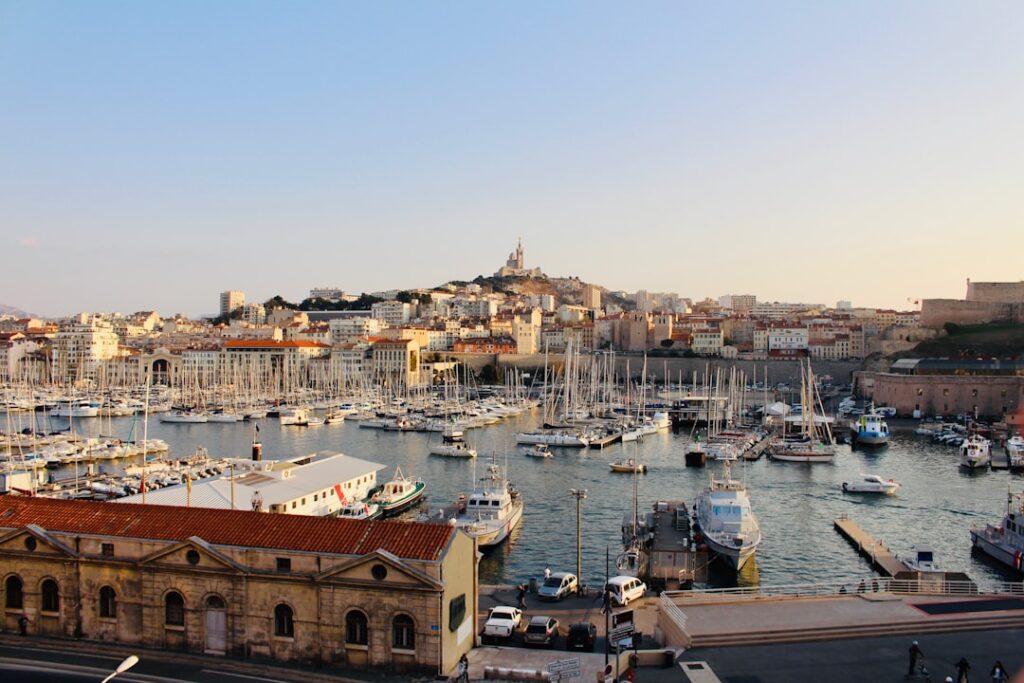
Marseille is a city like no other in France: a vibrant mix of cultures, coastal and urban landscapes, ancient history and modern creativity. For visitors, the question “where should you drop your bags?” is crucial: do you want to be in the thick of buzzing nightlife and social energy, or would you prefer a calmer stay by the sea, away from the bustle? This professional, detailed guide helps you decide by presenting typical neighborhoods—both lively and tranquil—with exact addresses, indicative prices, opening hours, immersive descriptions and local tips to get the most out of your stay.
In the pages that follow you’ll find a practical, sensory tour of several Marseille districts. Each neighborhood is described by its strengths: accessibility (metro, bus, tram), atmosphere (festive, bohemian, family-friendly), amenities (restaurants, markets, cultural venues) and concrete advice (best times to visit, areas to avoid at night, where to find beaches or nearby calanques). The price information I give are recent reference points—expect some variation depending on season or local events. I also include exact addresses so you can easily check opening times and book when needed.
Whether you’re traveling solo, as a couple, with family or on business, this guide will let you compare the Vieux-Port and Cours Julien (the lively headlines) with quieter neighborhoods like Endoume, Le Roucas‑Blanc or La Corniche Kennedy—places perfect for seaside walks and accommodations with Mediterranean views. You’ll also find hybrid options: neighborhoods that are busy by day but calm at night, or the other way around. Finally, I’ve added practical tips on transport (ticket prices, useful lines), must-see attractions (MuCEM, Basilica Notre‑Dame de la Garde, Château d’If) with prices and opening hours, and recommended restaurants and local markets to try bouillabaisse, fresh seafood and Marseille specialties.
Lively neighborhoods: Vieux‑Port, Cours Julien, La Joliette — where to experience the city
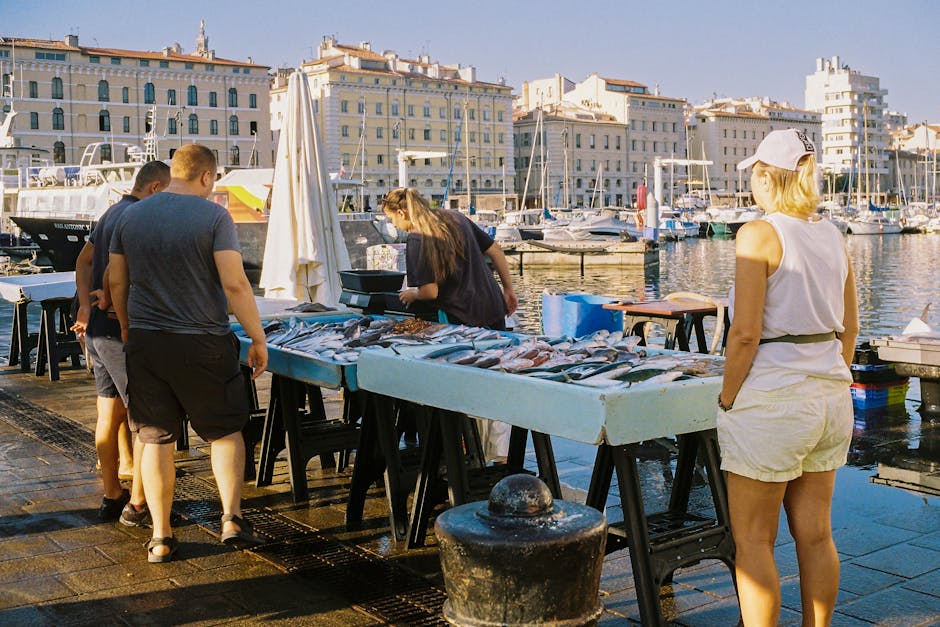
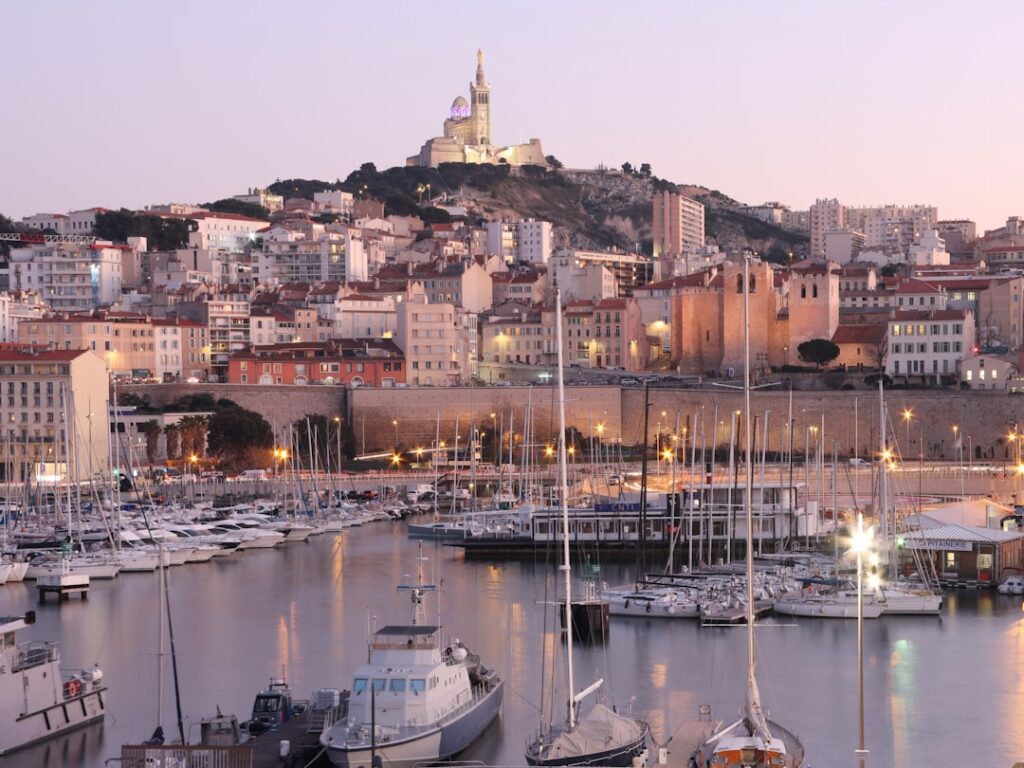
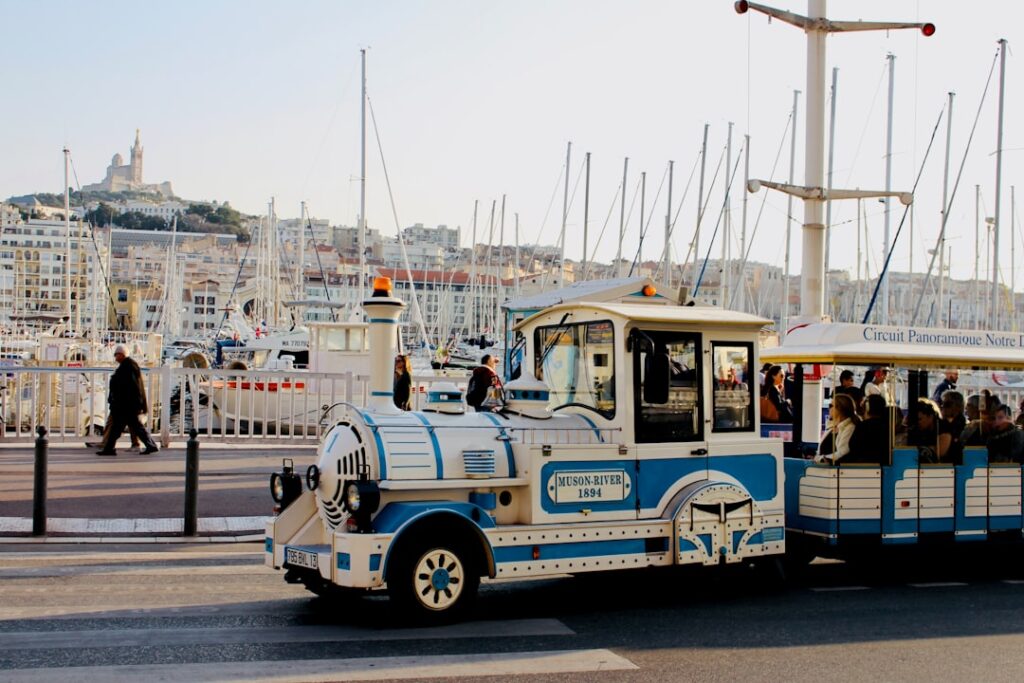
If you’re after traditional Marseille buzz, nightlife and a huge selection of restaurants and bars, head to the lively neighborhoods. The Vieux‑Port (Quai du Port, 13002 Marseille) is the city’s beating heart: terrace cafés, fishermen, ferries to Château d’If and a constant buzz. Staying around the Vieux‑Port puts you at the center of transport links—metro station Vieux‑Port — Hôtel de Ville (line 1), tram T2 to La Joliette—and gives you access to a dense collection of restaurants like Le Miramar (1 Quai du Port, 13002 Marseille), famous for its bouillabaisse: bouillabaisse menus from around €48 per person. Drinks in cafés and bars range from €3 to €12. Note: quiet nights are rare here, especially on weekends.
Another very lively hub is Cours Julien (Quartier Julien, 13006 Marseille), known for its street art, bars and small live music venues. The streets around Place Cours Julien host impromptu concerts, weekly organic markets and international eateries. Useful address: Place Cours Julien, 13006 Marseille. Bars like Le Jam or La Caravelle offer drinks between €4 and €10, and light meals from €10 to €25.
La Joliette and the Euroméditerranée district (a modern business area) provide a lively but more “corporate” atmosphere. The MuCEM — Museum of European and Mediterranean Civilisations — is located at 1 Promenade Robert Laffont, 13002 Marseille, usually open from 11:00 to 19:00 (closed Tuesdays), with full-price tickets around €11. Nearby shopping at Les Terrasses du Port (9 Quai du Lazaret, 13002 Marseille) offers stores and sea-view terraces. Accommodation here suits those who want to be near business hubs and nightlife while staying well connected to public transport.
Quiet neighborhoods: Endoume, Roucas‑Blanc, La Corniche and peaceful beaches
For a restful stay, favor neighborhoods on the hills or along the coast. Endoume (residential neighborhood, 13007 Marseille) feels like a village tucked beneath the hill of Notre‑Dame de la Garde—quiet and perfect for strolls. You’ll enjoy streets where locals pick up fish or bread and small neighborhood restaurants. Example: La Cantinetta Endoume (address to verify locally) offers dishes around €12–€20. Parking can be limited, but the charm more than makes up for the lack of hustle.
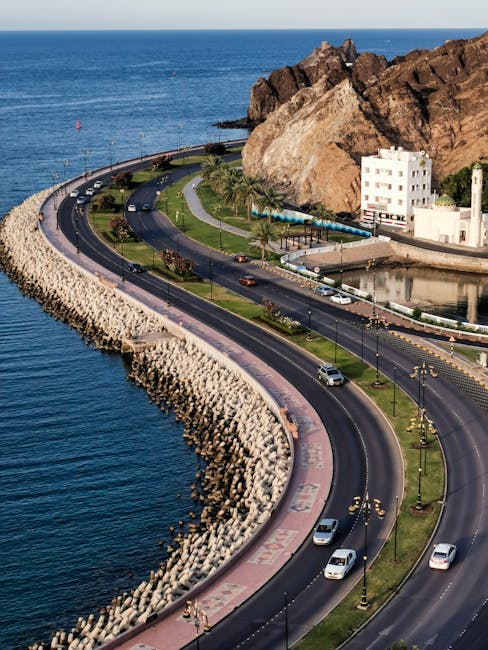
Le Roucas‑Blanc (13007 Marseille) and the Pharo / Palais du Pharo area (Prom. Georges Pompidou, 13007 Marseille) offer spectacular views over the harbor and relatively peaceful surroundings. La Corniche Kennedy (Corniche Kennedy, 13007 Marseille) is a coastal road lined with apartments and cafés, ideal for morning walks at sunrise. You’ll find quieter beaches like Plage du Prophète (Avenue du Prophète, 13007 Marseille) and Plage des Catalans (Plage des Catalans, 2 Avenue Pierre Mendès France, 13007 Marseille)—the latter is close to the center and lively in summer, but peaceful early in the morning. Municipal beaches are free; water-sports rentals (kayak, paddleboard) start from roughly €15–€30 per hour.
If you have a car or enjoy hiking, the Prado area and Pointe Rouge (Avenue Pierre Mendès France, 13008 Marseille) offer family-friendly beaches and a more relaxed seafront. You can also access the Calanques National Park from several southern coastal points, notably the Sormiou and Morgiou calanques (Calanque de Sormiou, 13009 Marseille; Calanque de Morgiou, 13008 Marseille): hiking is free, but shuttles and parking may cost between €5 and €15 depending on the season.
Accommodation, budget and practical tips — how to choose based on your priorities
To decide between lively and quiet, start by defining your priorities: proximity to sights, quiet for sleeping, budget, transport. Here are concrete benchmarks to plan your stay:
- Accommodation budget: hostels around the Vieux‑Port from about €20–€35 per night in dorms; 2–3 star hotels in lively neighborhoods from €60–€100 per night; 4-star hotels or sea-view apartments (Roucas‑Blanc, Corniche) around €120–€250 per night depending on season.
- Transport: RTM single ticket at €1.90 (purchase at machines or via the app), 24-hour passes often available around €5. The network includes metro (lines 1 and 2), trams (T1, T2, T3) and buses. The Vieux‑Port is served by the Vieux‑Port — Hôtel de Ville metro station (Line 1). Taxis and ride-hailing services start at around €5 as a base fare, then ~€2.10 per km on average.
- Must-see activities: Basilica Notre‑Dame de la Garde (Rue Fort du Sanctuaire, 13281 Marseille Cedex 7)—free viewpoint, generally open from 07:00 to 19:00 depending on season; Château d’If (departure: Quai du Port, 13002 Marseille) via companies like Frioul If Express, round-trip tickets from about €9–€12, departures in the morning and afternoon (times vary by season).
- Restaurants & markets: For a convivial bouillabaisse: Le Miramar, 1 Quai du Port, 13002 Marseille (bouillabaisse menus from €48). For fresh produce: Marché de la Plaine (Place Jean Jaurès, 13005 Marseille), a popular market open mainly on Tuesday, Thursday and Sunday mornings—great for tasting local products at good prices.
- Safety & local tips: Marseille is generally safe for tourists, but as in any big city avoid isolated streets at night and keep valuables close. Tourist areas (Vieux‑Port, MuCEM, Cours Julien) are well frequented; some peripheral neighborhoods can be less secure late at night. Ask your accommodation for neighborhood-specific recommendations.
Conclusion — Finding your perfect balance in Marseille
Choosing between a quiet or lively neighborhood in Marseille mostly depends on what you want from your trip. Lively districts like the Vieux‑Port, Cours Julien and La Joliette immerse you in Marseille life, with terraces, music and easy access to major attractions (MuCEM, markets, island ferries). They suit travelers who want to be in the heart of the action and don’t mind nighttime noise. On the other hand, areas like Endoume, Roucas‑Blanc, La Corniche and Pointe Rouge offer rejuvenation by the sea: sunrise walks, accommodations with harbor views, access to the calanques and a family-friendly atmosphere.
Make your choice based on your rhythm: if you plan to be out late dining and socializing, a lively place will save you extra travel; if you’re traveling with family or want quiet nights, favor coastal or residential neighborhoods. The public transport network (metro, tram and bus) is dense enough to allow quick back-and-forth trips: a calm base can easily get you to the Vieux‑Port in 20–30 minutes depending on traffic.
Finally, remember to book ahead if you want specific options—sea-view hotels or popular restaurants serving bouillabaisse around the Vieux‑Port—and check official sites for exact opening times (MuCEM, Château d’If, Basilica Notre‑Dame de la Garde) since they change with season and events. Marseille is best discovered in stages: alternate lively days with peaceful seaside mornings to fully feel the richness of this port city. Enjoy your stay and happy exploring—whether you pick the buzz of the Vieux‑Port or the gentle calm of the Corniche at sunrise!