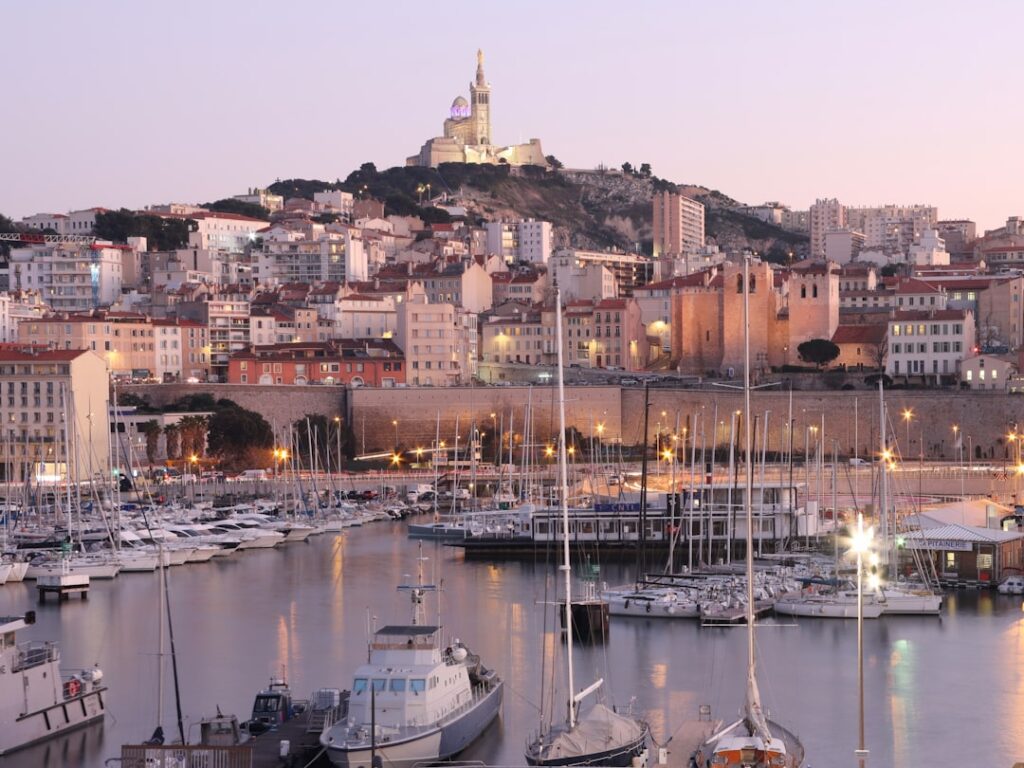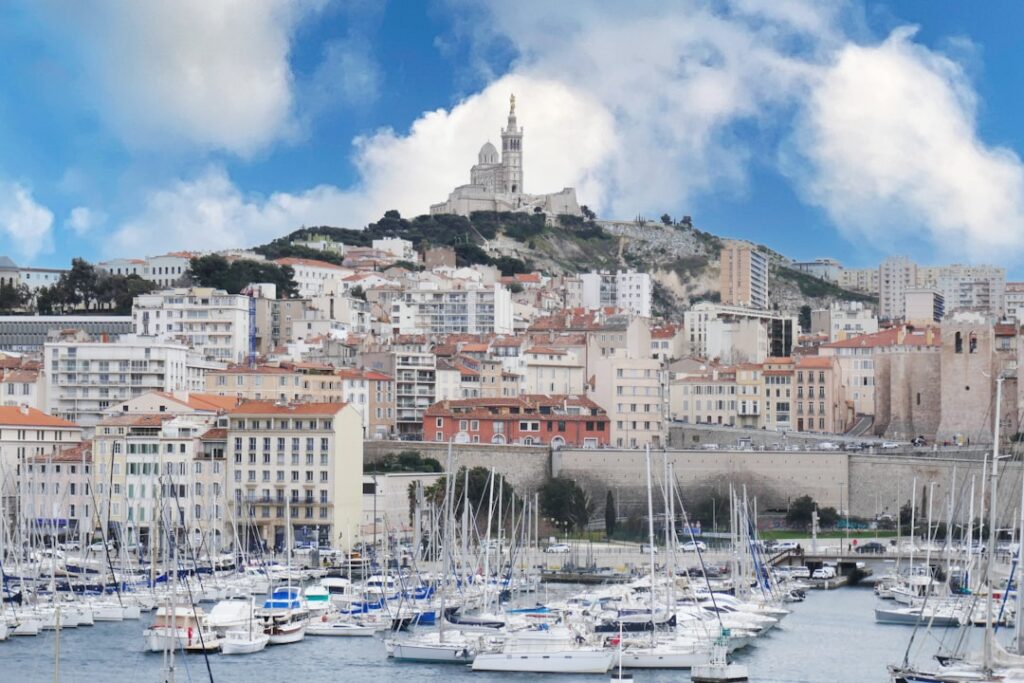






Introduction — Accessible Museums and Monuments in Marseille: Where to Visit Stress-Free
Marseille is a city where history, the sea and modern life meet around every corner. For travelers who want to soak up the cultural riches without hassle, the Phocaean city offers an impressive range of museums and monuments that are largely well served by transport, equipped for people with reduced mobility, and set up to keep visits low-stress. Whether you’re traveling with family, solo, as a senior, with a stroller or in a wheelchair, this guide aims to provide practical info, vivid descriptions and concrete tips to plan calm, enjoyable visits.
In this guide you’ll find precise details: full addresses, price ranges in euros, usual opening hours, and concrete descriptions of the visitor experience. I also cover practical aspects: how to avoid queues, which entrances are easiest, where to leave a stroller or luggage, and which parts of each site offer the best views or the quietest spots. Each place featured tries to balance cultural discovery with easy access, and I suggest alternatives for busy days.
Marseille has its own unique rhythm: the Vieux-Port, the winding streets of Le Panier, the invigorating hills up to the Basilique Notre-Dame de la Garde, and the Frioul Islands. These areas are the setting for museums and monuments that tell the story of the city, the Mediterranean and the civilizations that shaped the region. Some sites are modern and light-filled, others are historic and invite a more peaceful approach. Later in the guide you’ll find recommendations for relaxed, well-organized visits, helpful visual cues, and tips to make the most of each place without feeling rushed.
Finally, this guide does more than list addresses: it describes atmospheres, museum staging, must-see panoramas and local niceties (cafés, accessible restrooms, elevators, simplified audio guides). Practical info here — prices and hours — reflects what was current at the time of writing; check official sites before you go for seasonal updates or unexpected closures. Book tickets when possible, identify the most accessible entrance, and set out to discover an open, accessible Marseille.
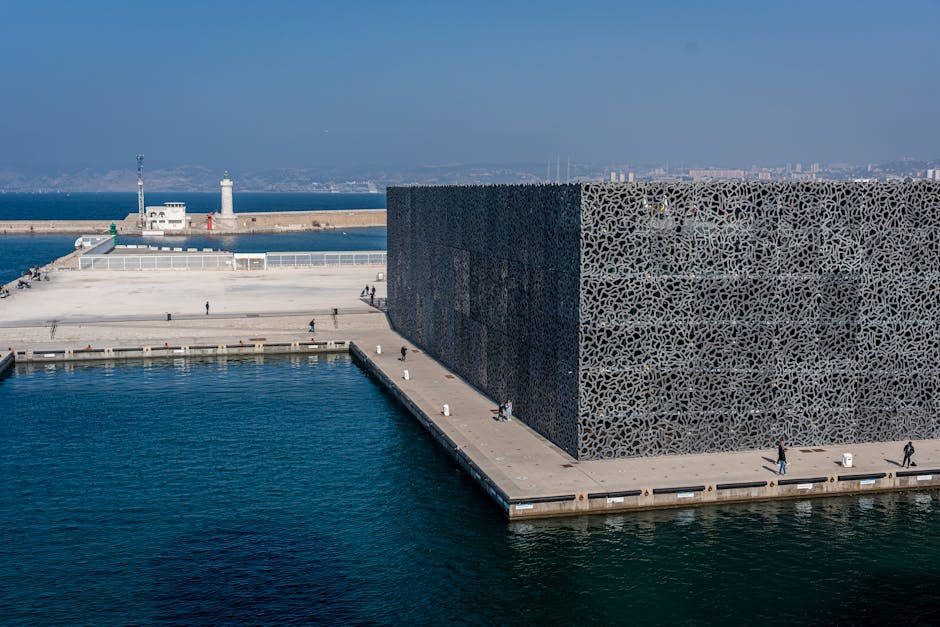
MuCEM — Museum of European and Mediterranean Civilisations (Vieille Charité and J4)
MuCEM is now one of Marseille’s cultural icons. Located at the J4, just at the entrance to the Vieux-Port, it presents temporary and permanent exhibitions dedicated to Mediterranean civilisations, housed in a contemporary building connected to Fort Saint-Jean by pedestrian walkways. Its lace-like concrete façade is instantly recognisable and offers bright views over the port and the sea.
Address: MuCEM – Museum of European and Mediterranean Civilisations, 7 Promenade Robert Laffont, 13002 Marseille.
Hours: usually open Tuesday to Sunday, 10:00–18:00 (in high season hours sometimes extend to 19:00). Closed on Mondays. Check online for late openings or special exhibitions.
Prices: full-price ticket around €11.00 (access to permanent collections + temporary exhibition), reduced €8.00 (youth, students, seniors under conditions), free for under-18s and certain groups (see website for conditions). Skip-the-line tickets available online.
Accessibility: MuCEM is designed to be accessible — ramps, elevators and adapted restrooms are in place. The main entrance can be busy at peak times; aim to arrive early for a quieter visit and better photos. The museum also offers guided tours and audio guides, plus adapted routes for visitors with visual or hearing impairments.
Immersive description: stroll along the promenade by the port, climb up to the J4 terraces and the roof garden for a spectacular view of MuCEM and Fort Saint-Jean. Inside, galleries alternate between dimly lit staging and bright spaces, allowing a gradual discovery of the collections. Temporary exhibitions are often well-documented, with clear labels and multilingual panels.
Local tips: buy your ticket online to avoid lines; after your visit head down to the Vieux-Port quays for a coffee and a relaxing break. The Fort Saint-Jean side entrance offers quieter routes and gardens where you can sit in the shade.
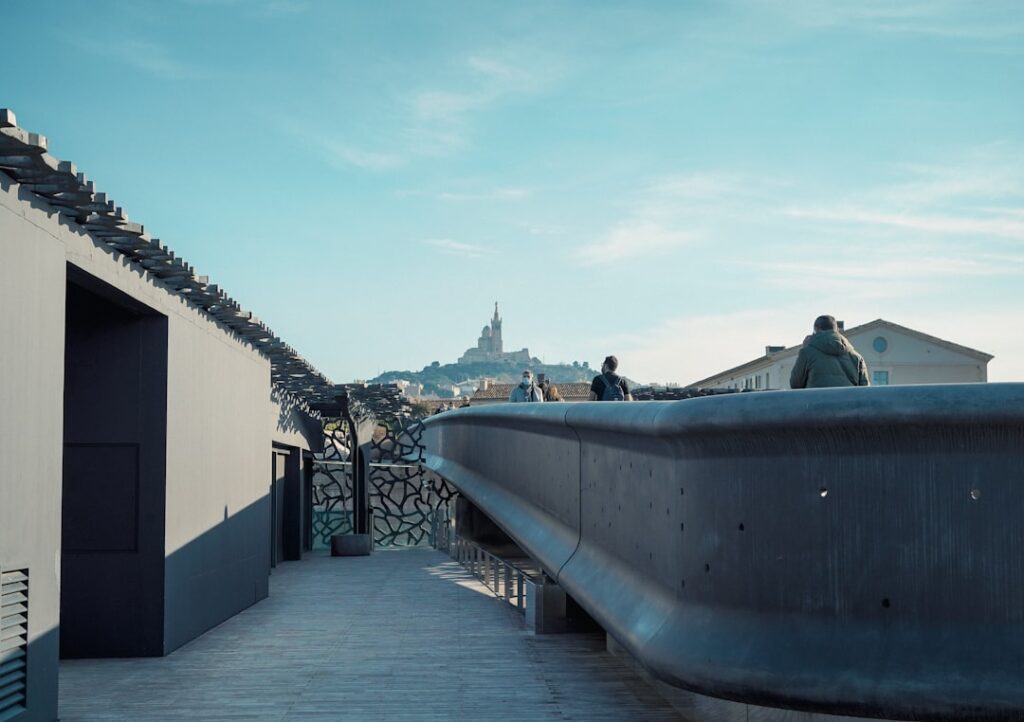
Basilique Notre-Dame de la Garde and Marseille’s Panorama
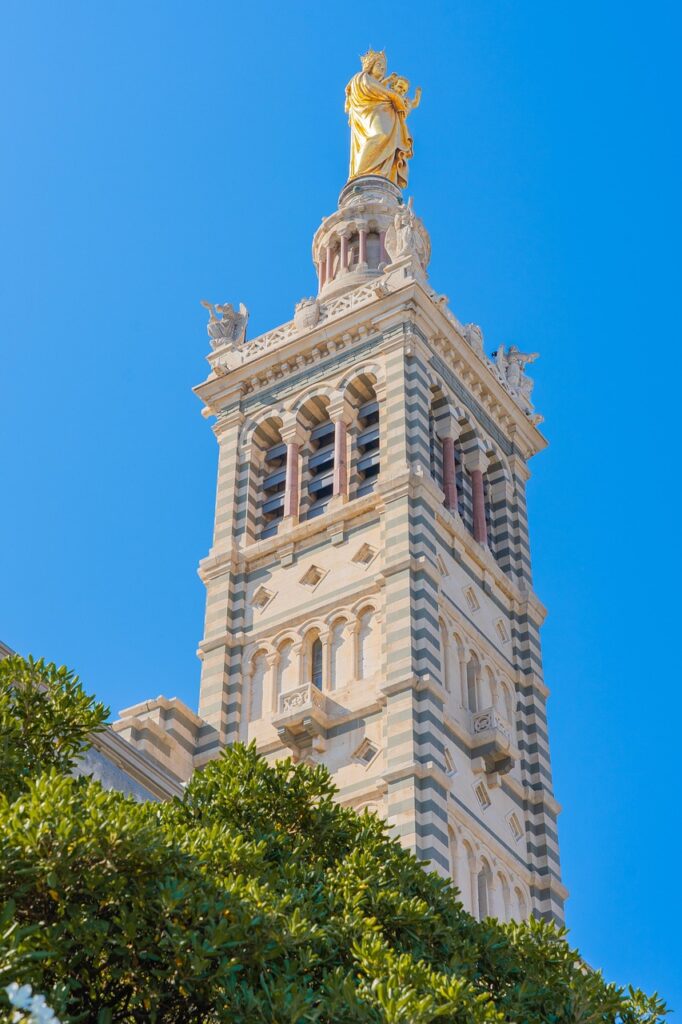
The Basilique Notre-Dame de la Garde overlooks Marseille from its hill and is both a landmark and a place of pilgrimage. People visit as much for the Romano-Byzantine architecture as for the 360° panorama over the city, the port and the sea. The basilica is popular, but it can be an accessible, peaceful visit if you pick the right times.
Address: Basilique Notre-Dame de la Garde, Rue Fort du Sanctuaire, 13281 Marseille Cedex 07.
Hours: generally open daily from 7:00 to 18:45 (hours vary with the season and religious services; some areas may close for ceremonies).
Prices: entry to the basilica is free. Some activities, guided tours or specific access to the bell tower may be paid (check on site or at the welcome desk).
Accessibility: the esplanade can be reached by car, bus (dedicated lines from the Vieux-Port) or the small tourist train. Drop-off areas are available and the path to the entrance is fairly wide; inside there are ramps and an organised layout to help access. However, some historic sloped zones can be more challenging in a manual wheelchair — ask at the welcome desk for the easiest routes.
Immersive description: stepping inside brings you into a nave decorated with mosaics and maritime ex-votos, and you’ll notice the scent of candles — the basilica breathes local devotion and maritime history. Step back out onto the forecourt for sweeping views: the Vieux-Port, orange rooftops and the distant Calanques on a clear day. Photographers will love the golden light at sunset and how the gilded Virgin statue catches the last rays.
Local tips: avoid 12:00–14:00 and weekend late afternoons if you want more calm. The little tourist train departs from the Vieux-Port and saves the uphill walk — ideal if you’re with a stroller or have reduced mobility. Bring water and wear slip-resistant shoes if you walk up: the cobbles can be slippery when wet.
Château d’If and the Frioul Islands — a Carefree Sea Excursion
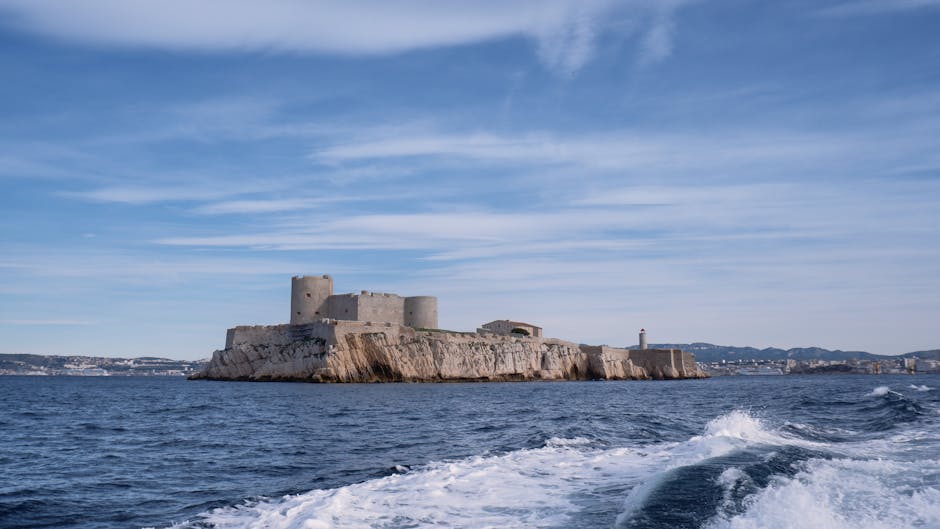
Château d’If, made famous by the novels of Alexandre Dumas, is one of the most visited monuments departing from the Vieux-Port. The excursion combines a short, picturesque boat crossing to Île d’If (often including the Frioul Islands). It’s a must for anyone who wants history with sea views.
Departure point: Vieux-Port de Marseille, Quai des Belges / Quai du Port, 13001 Marseille (boarding points for island shuttles).
Monument address: Château d’If, Îles du Frioul, 13007 Marseille (access only by boat).
Hours: shuttle companies generally run from 9:30 to 18:00 depending on the season; first crossings in the morning, last returns in the late afternoon. Frequency increases in tourist season. The fortress itself is usually open around landing times, often 10:00–17:00 off-season.
Prices: round-trip shuttle around €17.50 (indicative, varies by operator and season). Entry to Château d’If is sometimes included in the ferry ticket or charged separately (plan €3–6 if paid on site). Reduced fares for children and family rates depend on the operator.
Accessibility: most taxis and shuttle boats are adapted for many visitors, with planned access but watch for waves; wheelchair users should contact the operator in advance to arrange boarding. On the island, the fortress has historic stairways: interior access can be limited for visitors with mobility issues; however, the island walk and the ramparts offer accessible viewpoints from the landing area for those who don’t climb.
Immersive description: the crossing to Frioul is a relaxing moment: sea air, gulls and the silhouette of Château d’If on the horizon. On arrival you immediately feel the blend of history and scrubby Mediterranean coast: rocks, low plants and centuries-old walls. Inside the fortress you’ll find cells, ramparts and tales of famous prisoners, while the exterior paths provide stunning views of Marseille, MuCEM and the coastline.
Local tips: book boat tickets in advance in summer; go early to avoid crowds. Bring a windbreaker — it can be cool at sea even on hot days. If you have specific accessibility needs, call the ferry company the day before to prepare boarding and confirm conditions for that day.
Musée Cantini and Palais Longchamp — Art and Relaxation in Central Settings
For modern art and fine arts lovers, Marseille offers several accessible, centrally located cultural spots. Musée Cantini focuses on modern and contemporary art, while Palais Longchamp houses several museums and gardens — perfect for a relaxed visit after a cultural morning.
Musée Cantini — Address: Musée Cantini, 19 Rue Grignan, 13001 Marseille.
Hours: generally open Tuesday to Sunday, 10:00–18:00 (closed Mondays). Check hours for temporary exhibitions.
Prices: standard entry roughly €6.00–8.00; reduced rates for students and groups; free admission for under-18s in some cases.
Palais Longchamp — Address: Palais Longchamp, Boulevard Longchamp, 13004 Marseille (Parc Longchamp, home to the Natural History Museum and the Museum of Fine Arts).
Hours: the park is open all the time; museums inside have variable hours (often 10:00–18:00, closed Mondays). Check each institution for exhibition details.
Prices: museums at Palais Longchamp charge individual fees (often €5.00–9.00); the park is free.
Accessibility: Musée Cantini and the museums at Palais Longchamp have elevators and accessible entrances, adapted restrooms, and staff trained to welcome diverse visitors. The gardens at Palais Longchamp are flat and ideal for breaks, picnics and photo stops.
Immersive description: Musée Cantini offers focused, often themed routes — a great option for a short but deep cultural visit. Palais Longchamp, with its fountains, grand staircase and lawns, provides a gentle transition between art and nature. You can easily follow a museum morning with a picnic lunch in the park, shielded from traffic and in a quieter side of Marseille.
Local tips: check official sites to see if temporary exhibitions require a separate ticket. Cafés around Palais Longchamp are handy for a break; visit on weekdays for a more relaxed experience. If driving, the area has several public car parks — identify the nearest accessible entrance to avoid long walks.
Conclusion — Plan Your Marseille Visit with Peace of Mind
Marseille offers a valuable balance of historic monuments, contemporary museums and natural spaces. This guide has highlighted good choices for a stress-free visit: modern institutions like MuCEM, iconic panoramic sites like Basilique Notre-Dame de la Garde, sea excursions to Château d’If and artistic stops at Musée Cantini and Palais Longchamp. These spots combine accessibility, rich collections and powerful visual experiences. They’re ideal for anyone who wants to explore the city without rushing while still enjoying artworks and landscapes.
To prepare each outing, keep a few simple rules in mind: check exact hours on official sites the day before, buy tickets online when possible (MuCEM, ferries to Frioul/If), choose off-peak hours to avoid crowds and contact welcome desks if you have specific accessibility needs. Bring water, a windbreaker for sea trips and comfortable shoes for cobbles and stairs. Tourist offices and museum welcome points often provide access maps, recommended routes and information on elevators/escalators and accessible restrooms.
Finally, give yourself time: Marseille is discovered as much in the slow enjoyment of a hilltop view as in lingering inside a museum gallery. Coffee breaks on the Vieux-Port, walks in the parks and the terraces of MuCEM or Fort Saint-Jean are as much part of the experience as the visits themselves. With a little planning and these practical addresses, your visits in Marseille can be calm, rewarding and memorable.