





Introduction — Finding accommodation in Marseille when you use a wheelchair: key issues and first questions
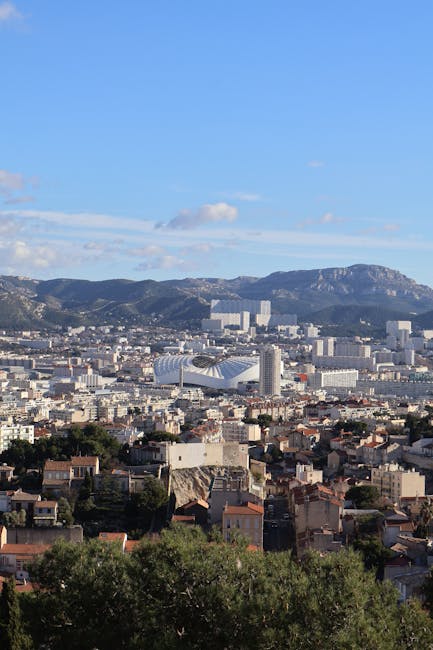
Marseille is a Mediterranean city with a thousand faces: the lively Vieux‑Port, the wild Calanques, the narrow streets of Le Panier, and more modern districts like La Joliette and Euroméditerranée. For people with reduced mobility, this destination offers plenty of opportunities but also specific challenges. Choosing between an accessible hotel and a wheelchair‑friendly apartment comes down to balancing comfort, independence, budget and proximity to activities. This guide walks you through the rules for accessibility, how to spot places that are genuinely accessible, how hotel services compare with apartment setups, and which practical questions to ask when booking.
A smooth accessible trip starts long before you arrive: practical information, equipment, the type of accommodation, and staff availability for transfers all matter. Hotels often provide 24/7 reception, wide elevators, specially adapted rooms and accessible breakfast rooms — but rates can be high, especially around tourist hubs like the Vieux‑Port. By contrast, an accessible apartment (booked via platforms such as Airbnb, Booking.com or serviced residence sites) can offer more autonomy, a kitchenette and better value for money, provided the listing and lease guarantee concrete adaptations (door widths, walk‑in shower, switch heights).
This guide takes a practical approach: precise addresses of Marseille places known for accessibility, typical price ranges in euros, usual opening hours, sensory descriptions of the sites and local tips for getting around. Throughout the article you’ll also find recommendations for verifying accessibility before you book (detailed photos, room plans, exact measurements), how to reserve an accessible parking space, and tips for visiting the city — from ferries to the islands to the Calanques — all while keeping mobility constraints in mind.
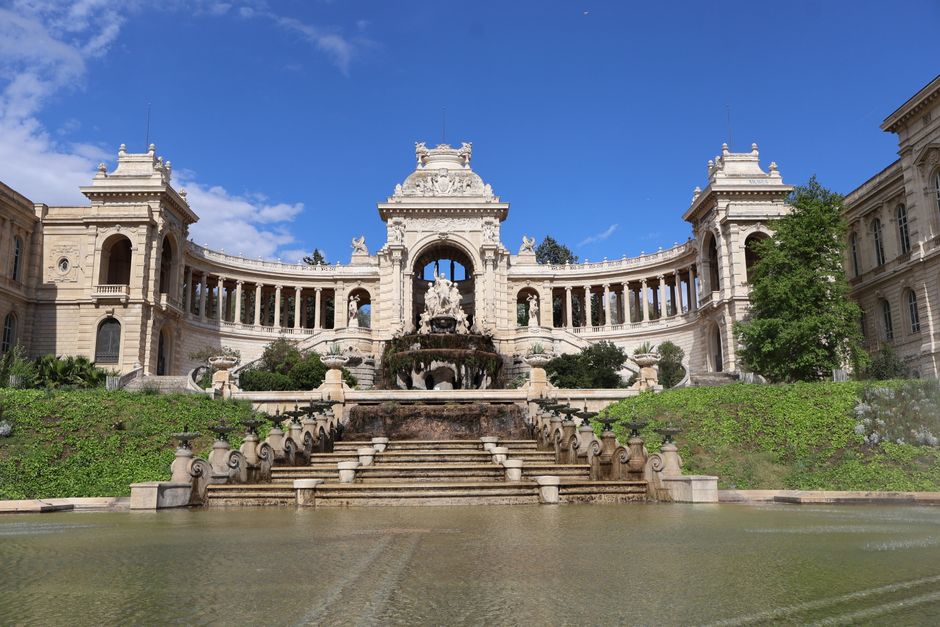
Concrete examples are included: hotels with accessible rooms on the Vieux‑Port or near Palais Longchamp, tourist residences with adapted apartments and useful addresses for shopping or contacting local assistance providers. Finally, you’ll get local tips to enjoy Marseille without surprises — optimized routes, peak times to avoid and local assistance services (accessible taxis, medical equipment rental companies). Whether you’re a short‑term resident, a family carer or an independent traveler, this complete guide will help you choose the option that best fits your needs and budget.
Understanding PMR standards and practical accessibility in Marseille
Before you pick a place to stay, it’s essential to understand what the French « PMR » accessibility requirements actually mean. The legal framework is set by law n° 2005‑102 of 11 February 2005 and its implementing decrees: any public‑access building (ERP), such as a hotel, must be accessible to people with disabilities. In practical terms this means: step‑free access or ramps, compliant elevators, adapted rooms with appropriate wet rooms (walk‑in shower, grab bars, accessible sink), adapted toilets, switches and cupboards at reachable heights, and clear signage. In Marseille, as in many historic cities, upgrades to older buildings are often partial — so you need to check every detail.
For apartments, the rules don’t apply the same way as for ERPs, particularly for private rentals. Accessibility will depend on the work the owner has carried out. Here are technical details to ask for every time: front door width (at least 80 cm recommended), internal passage widths (70–90 cm depending on the room), countertop heights, presence of a walk‑in shower or very low shower tray, grab bars near the toilet and shower, clear turning space (1.5 m diameter recommended for wheelchair turning), thresholds under 2 cm, and an elevator for upper floors (recommended minimum elevator interior 110 x 140 cm). Also request detailed photos (doors open, close‑ups of the wet room) and a floor plan.
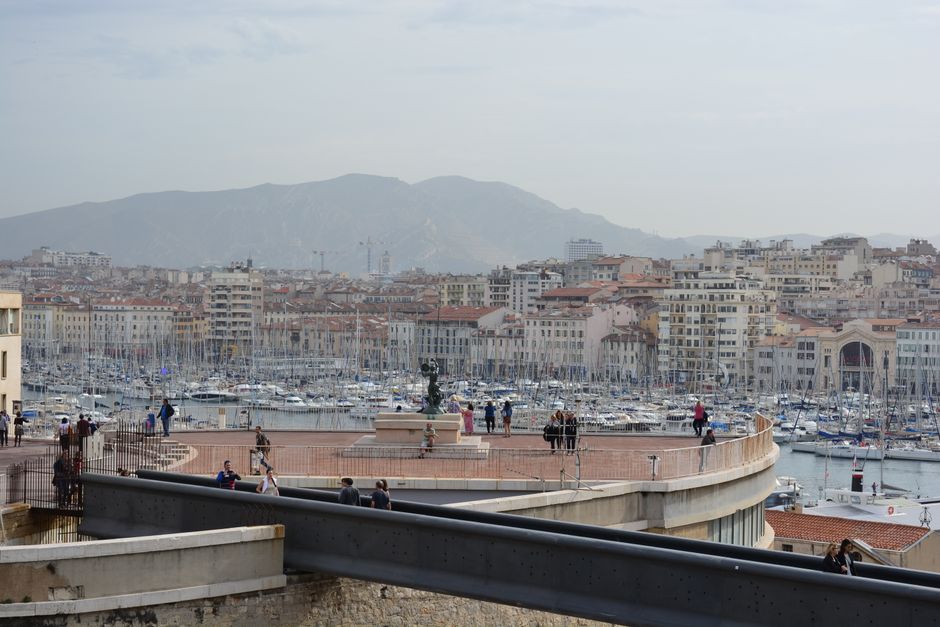
In Marseille, different districts pose different challenges: the Vieux‑Port and Le Panier are historic with cobbled alleys and footbridges; La Corniche and coastal neighborhoods offer more accessible promenades but have elevation changes; Euroméditerranée and the business district around La Joliette are modern, flat and generally better equipped for accessibility. If you plan to visit the Calanques, be aware that access can be very hard for manual or electric wheelchairs — check with the Parc national des Calanques (official site or Marseille Tourist Office at 9 La Canebière, 13001 Marseille) to find adapted activities.
Before booking, always call the property: ask to speak with the reservations manager or the receptionist, specify your type of wheelchair (manual / electric), request a floor plan of the room, bed height, details of bathroom supports, whether a patient lift is available and whether accessible parking is provided. For hotels, insist on the wording « accessible PMR room » and get a specific room number; for an apartment, request a thorough inventory and, if possible, a short video of the access route.
Choosing an accessible hotel in Marseille: recommended places, addresses and prices
Hotels remain the safest bet to ensure a minimum of equipment and on‑site assistance. Below is a selection of Marseille hotels known for their accessibility, with addresses, opening hours and indicative price ranges (observed low and high season values).
-
Sofitel Marseille Vieux‑Port
Address: 36 Boulevard Charles Livon, 13007 Marseille.
Phone: +33 4 91 54 54 54.
Hours: 24/7 reception, check‑in from 3:00 PM, check‑out until 12:00 PM.
Rates: accessible rooms from €220 per night in low season, €300–450 in high season and during events (fairs, summer).
Description: a luxury hotel overlooking the Vieux‑Port, reachable by an entrance ramp and several spacious elevators. Accessible rooms feature walk‑in showers, grab bars, a shower seat and accessible sinks. The concierge team is trained to welcome guests with reduced mobility and can arrange a hospital bed or a patient lift through local providers. -
InterContinental Marseille – Hotel Dieu
Address: 1 Place Daviel, 13002 Marseille.
Phone: +33 4 13 42 42 42.
Hours: 24/7 reception, check‑in 3:00 PM, check‑out 12:00 PM; spa services by reservation (hours vary).
Rates: accessible rooms from €240 per night in low season, €350–500 in high season.
Description: housed in the former Hôtel‑Dieu, the InterContinental offers wide common areas, adapted elevators and several fitted rooms. Note the historic parts: some routes may include slopes — the reception provides an accessible access plan. -
Novotel Marseille Centre Prado
Address: 13 Boulevard Périer, 13008 Marseille.
Phone: +33 4 91 26 11 54.
Hours: 24/7 reception, check‑in 3:00 PM, check‑out 12:00 PM.
Rates: accessible rooms from €90 per night on promotion, €120–170 in normal season.
Description: a reliable mid‑scale chain hotel with accessible rooms and adapted wet rooms, some level‑entry access points and private parking. Good value for families or business travelers. -
Residhome Marseille Saint‑Charles (serviced residence)
Address: 16 Rue Saint‑Saëns, 13001 Marseille.
Phone: +33 4 91 50 36 36.
Hours: reception usually 7:00–22:00 (times may vary), check‑in 3:00 PM, check‑out 11:00 AM.
Rates: accessible apartments from €80 per night (studio) up to €150 (one‑bed) depending on season.
Description: very convenient for longer stays, close to Saint‑Charles station. Apartments offer kitchenettes, an elevator and adapted rooms on request. Verify the wet‑room size and whether a lowered worktop is available for wheelchair users.
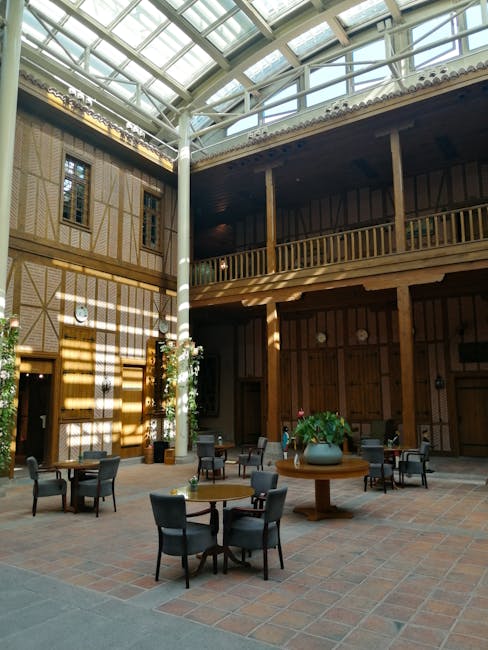
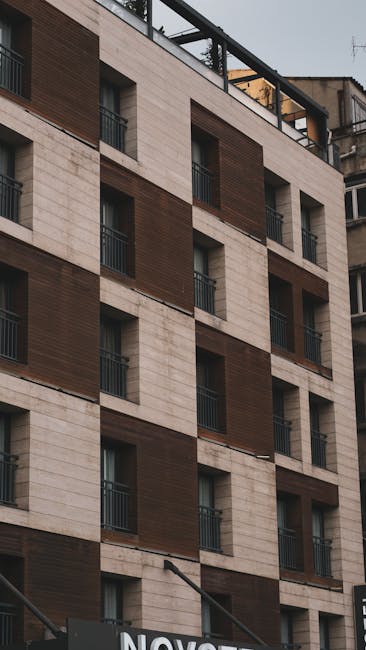
Practical tips for hotels: request a ground‑floor room or one near an elevator to reduce distances; check bed dimensions (height and accessibility); try opening the room door from the corridor to test clearance; make sure staff are trained for transfers if you need that. For parking, ask for an officially marked accessible space (size, surface and direct access to the elevator).
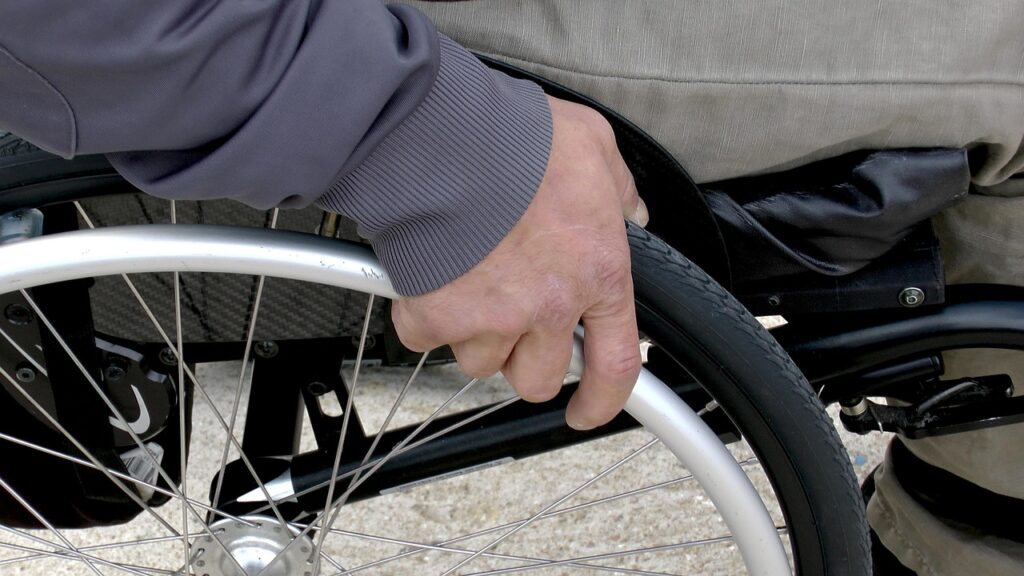
Choosing an accessible apartment: platforms, typical addresses, prices and must‑do checks
Renting an accessible apartment can give you independence, a full kitchen and often better value for longer stays. However, be cautious: online listings don’t always guarantee full compliance. Here’s how to proceed in Marseille.
Recommended platforms: Booking.com (use the « Accessible property » filter), Airbnb (always message the host to confirm adaptations), Abritel/VRBO and serviced residence brands (Adagio, Appart’City) that offer accessible units. Example of a typical address (listings change, so check current availability): Appart’City Confort Marseille Centre Euroméditerranée, 47 Boulevard de Dunkerque, 13002 Marseille — residencies that often provide studios and one‑beds, usually with an elevator and a PMR option. Indicative rates: €60–120 per night depending on size and season.
What to demand from a listing: photos of the entrance (from the sidewalk to the door), a photo with the door open showing width, close‑ups of the wet room with shower measurements and grab bars, and a photo showing turning space. Also ask about elevator dimensions, the presence of a balcony (threshold height), flooring type (tiles preferred over thick carpets), proximity to an adapted bus/taxi stop and the exact address to calculate routes to your points of interest.
Prices: for a centrally located accessible apartment expect on average €70–160 per night depending on season and category; in the suburbs €50–90 per night. For monthly stays, many residences offer discounted weekly or monthly rates (e.g. €900–1800 per month for an adapted studio). Always negotiate for long stays and request a detailed inventory on arrival.
Local logistics: if you rent an apartment, consider how you’ll transport luggage and medical equipment. In Marseille, several taxi companies operate adapted vehicles: Taxis Radio Marseille (book ahead; numbers available online) offers PMR vehicles by reservation. For equipment rental (patient lifts, electric wheelchairs), contact local suppliers such as Handilocation (check availability and delivery to your address).
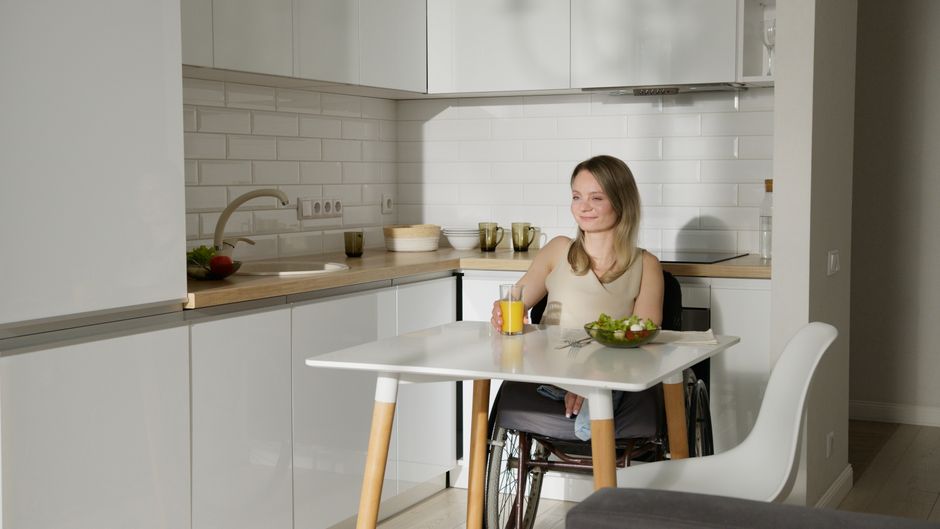
Practical comparison: hotel or accessible apartment — which to choose?
Choosing between an accessible hotel and an adapted apartment mainly depends on your travel profile and priorities. Here’s a practical comparison to help you decide.
– Comfort and services: hotels provide 24/7 reception, daily housekeeping, on‑site dining and emergency assistance. For example, Sofitel Marseille Vieux‑Port offers room service, concierge and laundry. Apartments give independence, a kitchenette and privacy, but require more planning for cleaning and medical assistance.
– Cost: for a short stay, an accessible hotel from mid to upper range can cost €90–350 per night depending on location and season. An accessible apartment typically costs €50–160 per night and becomes cheaper for longer stays (weekly or monthly discounts).
– Real accessibility: hotels (especially big chains and higher‑end properties) often meet standards and have certified accessible rooms. Apartments vary widely: some are excellent, others unsuitable. Always ask for measurements. For city travel, prefer flat districts (Euroméditerranée, Prado, Castellane) if you rely on a manual wheelchair.
– Independence vs assistance: if you need daily assistance (help with transfers, care), a hotel’s concierge can arrange caregivers; an apartment means you’ll need to coordinate and pay for help separately. On the other hand, an apartment is great for cooking and managing your own schedule.
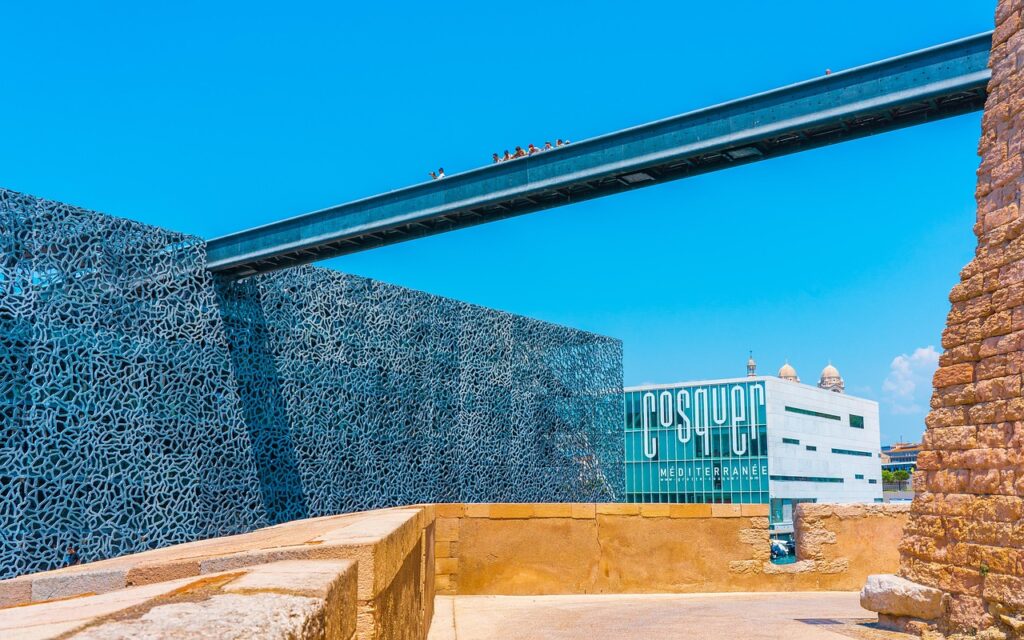
– Location: choose based on priorities — proximity to healthcare (Hôpital de la Timone, Place des Hôpitaux, 13010 Marseille), transport hubs (Saint‑Charles station), or cultural centers (Mucem, Museum of European and Mediterranean Civilisations, 1 Esplanade du J4, 13002 Marseille). Practical example: if you want to visit the Calanques but also remain close to medical facilities, the 8th arrondissement (Prado) can be an ideal base.
Final tips: always document accessibility commitments in writing (email or booking platform message), arrive during daylight to test access routes, and keep useful numbers on hand (reception, PMR providers, adapted taxi). Also check safety features: visual/audible alarms if needed and adequate night lighting around the accommodation.
Conclusion — make the best choice for a successful stay in Marseille
Choosing accessible accommodation in Marseille requires concrete, practical preparation. Hotels — especially large chains and higher‑end properties like the Sofitel Marseille Vieux‑Port (36 Boulevard Charles Livon, 13007 Marseille) or the InterContinental Marseille – Hotel Dieu (1 Place Daviel, 13002 Marseille) — offer service security and specially adapted rooms at rates that vary by season (from roughly €90 for mid‑range options to €450 for luxury in high season). They often have 24/7 reception, concierge services and networks that can arrange medical equipment rental. Accessible apartments, found via Booking.com, Airbnb or residences like Appart’City/Residhome, are particularly suited to longer stays or travelers seeking full independence and kitchen facilities, often at lower prices (€50–160 per night depending on location and season).
The key to a successful stay is prior verification: ask for photos and detailed plans, door widths, a precise description of the wet room (walk‑in shower, grab bars, turning space) and contact details for a local contact. In Marseille, adapt your choice to the local geography: Euroméditerranée, Prado and other modern districts are flatter and easier to get around, while the Vieux‑Port gives an iconic experience at the cost of cobbles and footbridges.
Finally, think about practical extras: booking an adapted taxi or van, contacting equipment rental companies if needed, planning excursions (arrive early to avoid crowds on the Vieux‑Port) and checking site opening hours (museums like Mucem, 1 Esplanade du J4, 13002 Marseille, typically open 10:00–18:00; confirm seasonally). With the right preparation, Marseille becomes an accessible and welcoming destination filled with cultural, culinary and maritime discoveries. Don’t hesitate to contact your chosen property directly for written confirmations and to request a personalized access plan. Enjoy your stay in Marseille with confidence, independence and peace of mind.