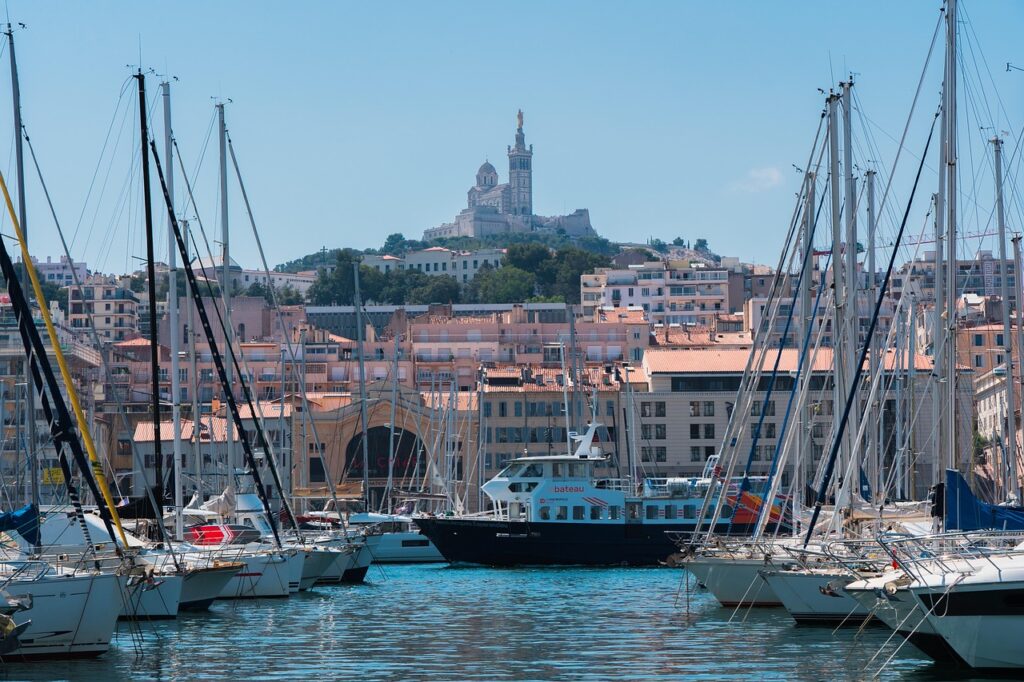






Introduction — Arriving in Marseille: train station or airport?
Marseille, France’s second city, a Mediterranean gateway and cultural melting pot, draws visitors with its lively Old Port, wild calanques and colourful neighbourhoods like Le Panier and La Plaine. For a smooth trip, the first practical decision comes even before you glimpse the sea: should you arrive via Marseille Provence Airport or at Marseille-Saint-Charles Station? That choice affects not only your budget and travel time but also your first impression of the city, luggage logistics and how easily you can move around at the start of your stay.
This comprehensive guide weighs the pros and cons of each option with practical details: exact addresses, typical times, usual prices, immersive descriptions of the journeys and local tips to optimise your arrival. You’ll find clear recommendations for different traveller profiles — busy tourists, slow explorers, families with luggage, business travellers, and hikers heading straight to the calanques. We’ll also cover connections to buses, metro lines and boats so you can plan your first day without stress.
Choosing between airport and station depends largely on where you’re coming from and what you expect. If you fly in, Marseille Provence Airport, 13727 Marignane, France is your aerial gateway; if you come by train, Marseille-Saint-Charles Station (1 Rue Jacques Duclos, 13001 Marseille, France) drops you right in the heart of the city. Each arrival offers a very different experience: the airport gives quick road links and freedom if you rent a car, while the station usually delivers a more urban landing, directly connected to the metro and local buses.
In the sections that follow we’ll dig into transport options from each entry point, typical costs (in euros), schedules and practical tips to save time or money. You’ll also get suggested immediate routes from your arrival spot to reach the Old Port, Le Panier, the Corniche and the calanques. Finally, local tricks — where to buy a cheaper ticket, what times to avoid the traffic, or which bus stop to favour — will help turn your arrival into a pleasant, efficient start to your trip.
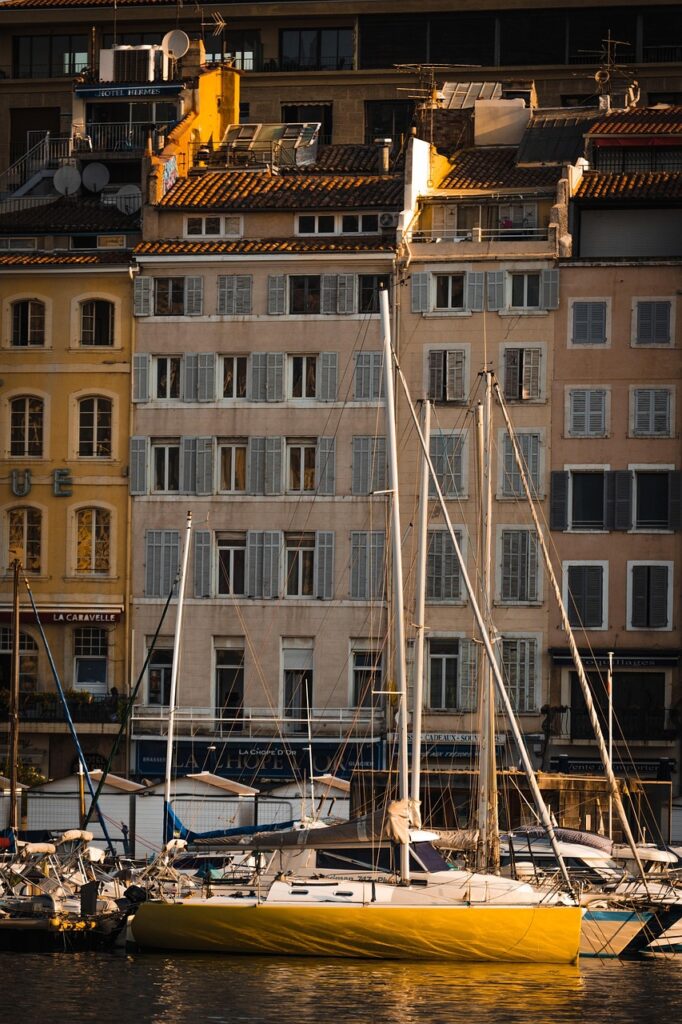
Marseille Provence Airport: speed and flexibility — but at what cost?
Arriving at Marseille Provence Airport (Marseille Provence Airport, 13727 Marignane) is often the default choice for air travellers. The airport sits about 27 km northwest of Marseille city centre, roughly a 25–45 minute drive depending on traffic. Terminals handle domestic and international flights, and the site is generally open around the clock for arrivals, though services (shops, rental desks) vary — typically boutiques and counters operate between 05:00 and 23:00.
Transport from the airport:
- Airport shuttle → Saint-Charles Station: there’s a direct official shuttle linking the airport to Marseille-Saint-Charles Station, handy for those heading to the centre. Indicative fare: around €10–12 per person (one way). Duration: 25–40 minutes depending on traffic.
- Taxi: expect between €35 and €60 for a trip to the Old Port (day rate). Taxis are available 24/7 from the terminals. Night and luggage surcharges may apply.
- Ride-hailing (Uber, Bolt): similar to taxis, often €30–50 depending on demand and time of day.
- Car hire: desks on site (companies: Hertz, Europcar, Avis, Sixt). Daily rates vary — plan for €30–70/day off-season.
Highlights of arriving by air:
- Fastest way to reach Marseille from abroad or distant regions.
- Easy road access for visiting the calanques or Aix-en-Provence by car.
- Airport facilities (left-luggage, currency exchange, rental counters).
Drawbacks:
- Potentially higher transfer costs (shuttle/taxi/ride-hail).
- Distance to the centre and risk of congestion at peak times — journeys can stretch to 60 minutes.
- If you don’t have a car, you’ll rely on road transport for that first leg.
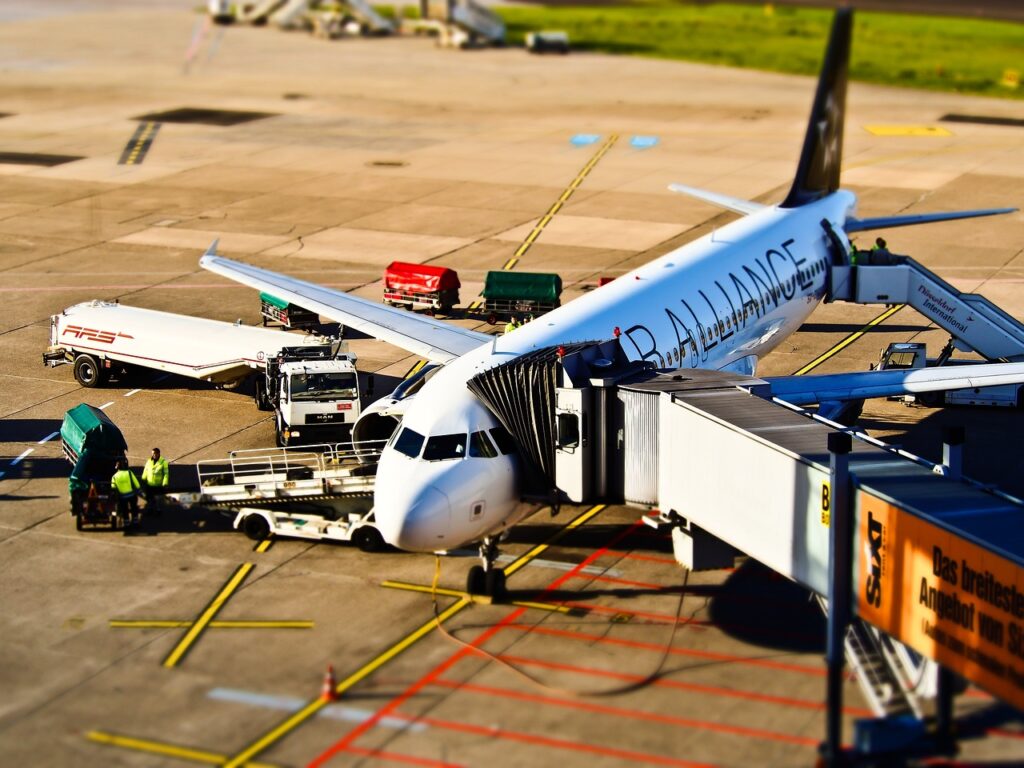
Marseille-Saint-Charles Station: step straight into the city
Marseille-Saint-Charles Station (1 Rue Jacques Duclos, 13001 Marseille) is the city’s main rail gateway. It handles TGVs, TER and regional trains, often with regular links from Paris (TGV: about 3 hours), Lyon, Nice and Aix-en-Provence. Arriving at Saint-Charles literally places you on top of the city; the large esplanade overlooks the centre and gives a direct view of La Canebière and the Old Port.
Hours and services: the station serves trains 24/7 for night services and continuous operations, but counters and shops have varying hours — SNCF ticket desks usually open from 05:00 to 22:00. There’s a metro station integrated directly into the station (Lines M1 and M2), letting you reach the Old Port (2 stops) or Castellane quickly.
Fares and connections:
- Metro ticket: €1.70 per single trip (RTM metro/bus fare). Buy from ticket machines in the station.
- RTM bus: several lines serve the station; fares match the RTM network pricing.
- Taxi: immediate pick-up in front of the station; fares to the Old Port: €8–12 depending on traffic and number of bags.
Strengths:
- Arrival directly in the city centre — instant immersion in Marseille’s atmosphere.
- Immediate access to metro, buses and trams to reach almost any neighbourhood in 10–30 minutes.
- Great for travellers coming from other French cities or the coast, and ideal if you want to avoid renting a car.
Weaknesses:
- Less suitable if you arrive on a late international flight with no rail connection.
- To reach the calanques or some outlying sites you’ll usually need another step (bus or rental).
- The station can be lively and noisy; waiting areas aren’t always as calm as an airport terminal.
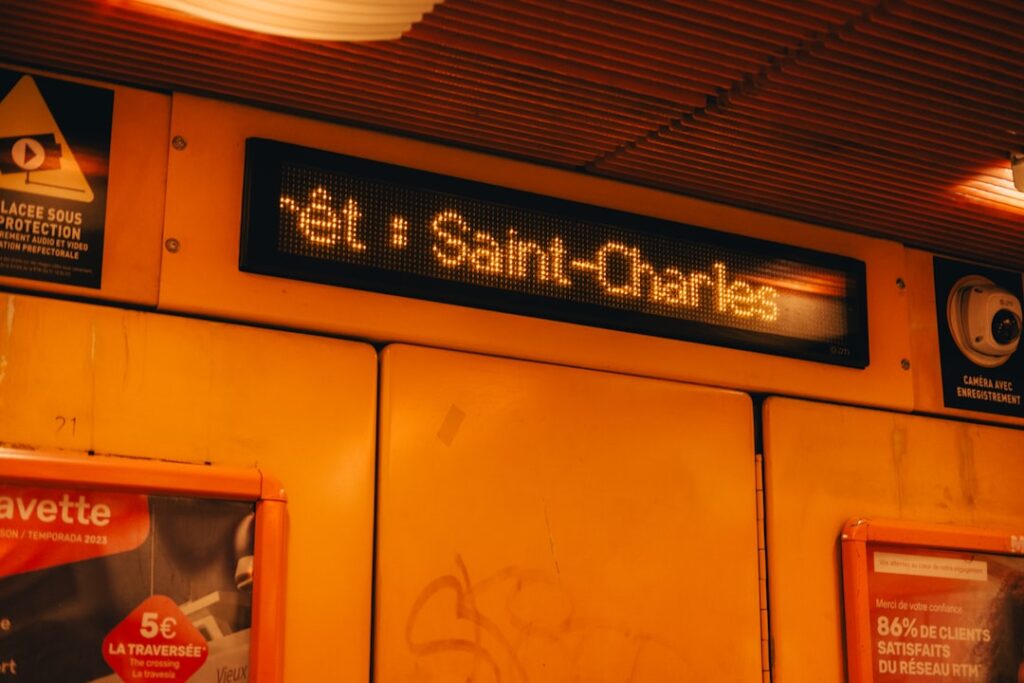
Practical routes from each arrival point and local tips
Whether you step off a plane or a train, here are tested routes and concrete tips for your first hours in Marseille.
From the airport:
- To the Old Port: take the official shuttle or a taxi. If you choose the official shuttle, allow 25–40 minutes depending on traffic and about €10–12. Local tip: if you arrive during rush hour (08:00–09:30 or 17:30–19:00), favour a taxi to reduce stress. Book the shuttle online if you want to guarantee a seat with luggage.
- To the calanques (Cassis, En-Vau): renting a car is recommended — agencies on site (Hertz, Avis, Europcar). Take the A52 then the D559 toward Cassis; estimated drive time 35–50 minutes.
From Saint-Charles station:
- To the Old Port: go down the main staircase or take metro M1 (direction La Rose → stop Vieux-Port). Travel time: 5–8 minutes, fare: €1.70.
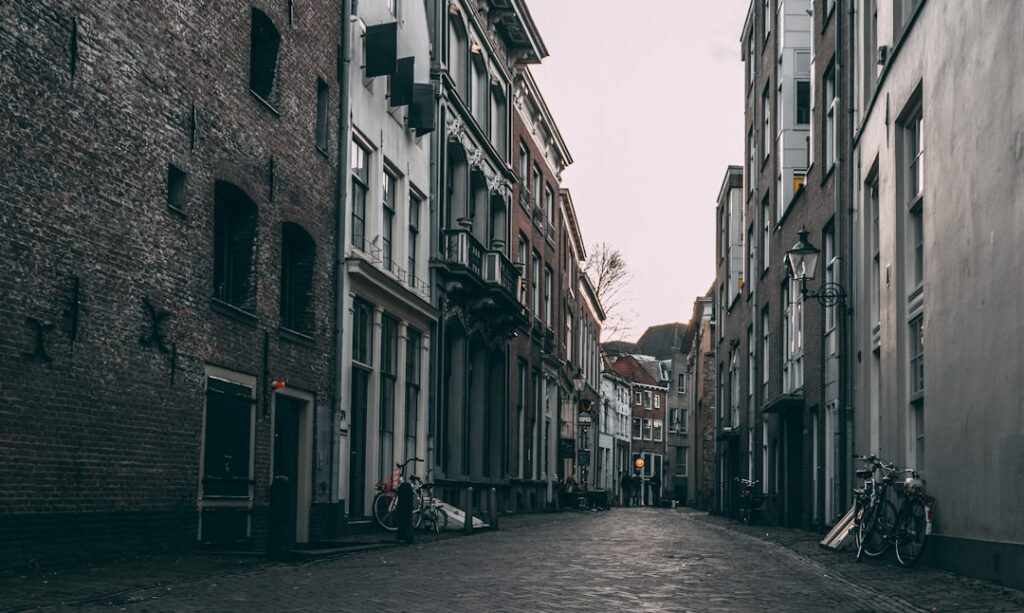
- To Le Panier neighbourhood: it’s a 10–15 minute walk downhill from the station to the Old Port; the narrow streets host artisan shops and cafés. Local tip: take Rue de la Caisserie and Place de Lenche for a picturesque route.
Additional practical tips:
- Buy an RTM card (single ticket €1.70) or a day pass if you plan multiple trips (1-day pass: about €5–7, depending on the option). Check up-to-date prices at machines and online.
- If you’re travelling with lots of luggage, prefer arriving by train for a cheaper taxi transfer and closer access to central accommodations; the airport often means a higher transfer cost.
- Arrival time: aim for morning or afternoon arrivals to make the most of your first day; late-night arrivals reduce access to shops and some transport options.
Compare by need: short visitors, families and hikers
The best arrival point depends on your profile. Here’s a practical summary to help you choose.
Short-stay visitors / City-breaks (1–3 days): Saint-Charles station is often the best option. It drops you right in the historic centre, close to the Old Port and the MuCEM (Museum of European and Mediterranean Civilisations, address: 1 Esplanade du J4, 13002 Marseille, opening hours vary, generally 10:00–18:00; paid entry, prices vary by exhibition). You’ll avoid the time and cost of an airport transfer and can start sightseeing as soon as you arrive.
Families and travellers with heavy luggage: the airport can be more comfortable if you rent a car — space for strollers and child seats, a direct journey to your accommodation. Taxis or ride-hailing offer door-to-door transport that’s easier than the metro, especially during off-peak hours. However, if your lodging is central, the taxi surcharge from the airport can make this option significantly more expensive than arriving by train.
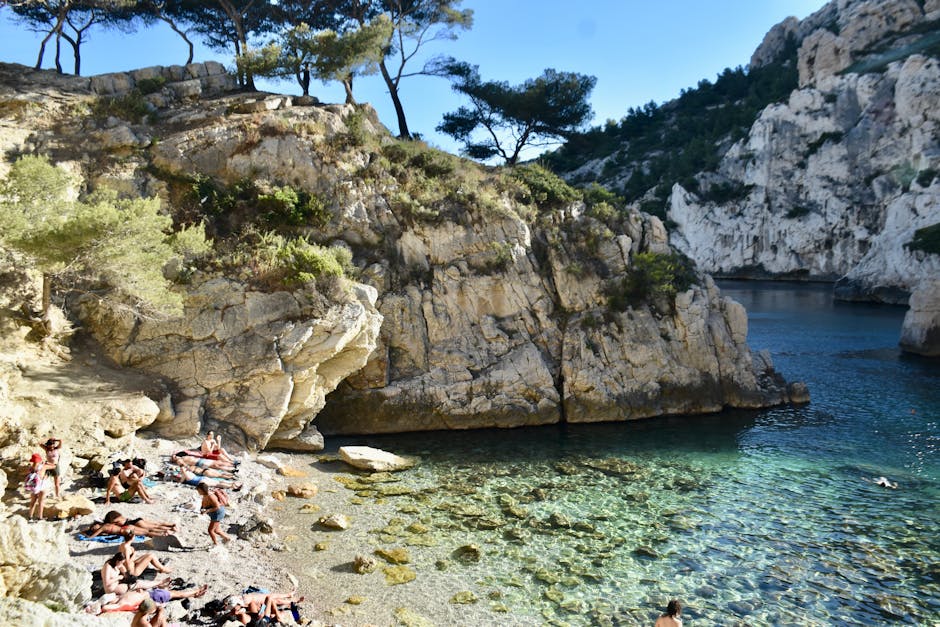
Hikers and nature lovers: if your goal is to reach the calanques quickly (Calanque d’En-Vau, Calanque de Sugiton, Calanques National Park), airport plus car rental can be a smart choice. Driving reduces the time to trailheads like Port-Miou (Cassis). Conversely, hikers who prefer public transport will find TER/bus connections from the station to access certain parts of the park.
Conclusion — Choose with your priorities in mind
Deciding between the airport and the station to arrive in Marseille mainly depends on your itinerary, budget and the type of experience you want. Marseille-Saint-Charles Station (1 Rue Jacques Duclos, 13001 Marseille) delivers immediate immersion in the city: metro, buses and quick access to the Old Port and Le Panier, with economical urban fares (metro ticket €1.70). Marseille Provence Airport (Marseille Provence Airport, 13727 Marignane) prioritises flexibility, air connections and road access — ideal for visitors from abroad, families with heavy luggage or travellers planning to explore the surrounding area by car.
Practically speaking, favour the station if you want to begin exploring the moment you step off the train, save on transfers and stay strictly urban. Opt for the airport if you arrive by plane, plan to rent a car, or need added comfort and scheduling flexibility. In all cases, plan ahead: book shuttles/taxis in advance when possible, check ticket office and bus schedules, and keep transport tickets or an RTM app handy to save time. One local tip: avoid peak hours (08:00–09:30 and 17:30–19:00) for transfers, and use your first afternoon for a stroll along the Old Port — it’s the best way to feel Marseille’s pulse at once.
Safe travels and enjoy discovering Marseille: the city often reveals itself in small details — a lane in Le Panier, a café on La Canebière, or the unique light from the Corniche — and the right arrival will let you start enjoying them from the very first moments.