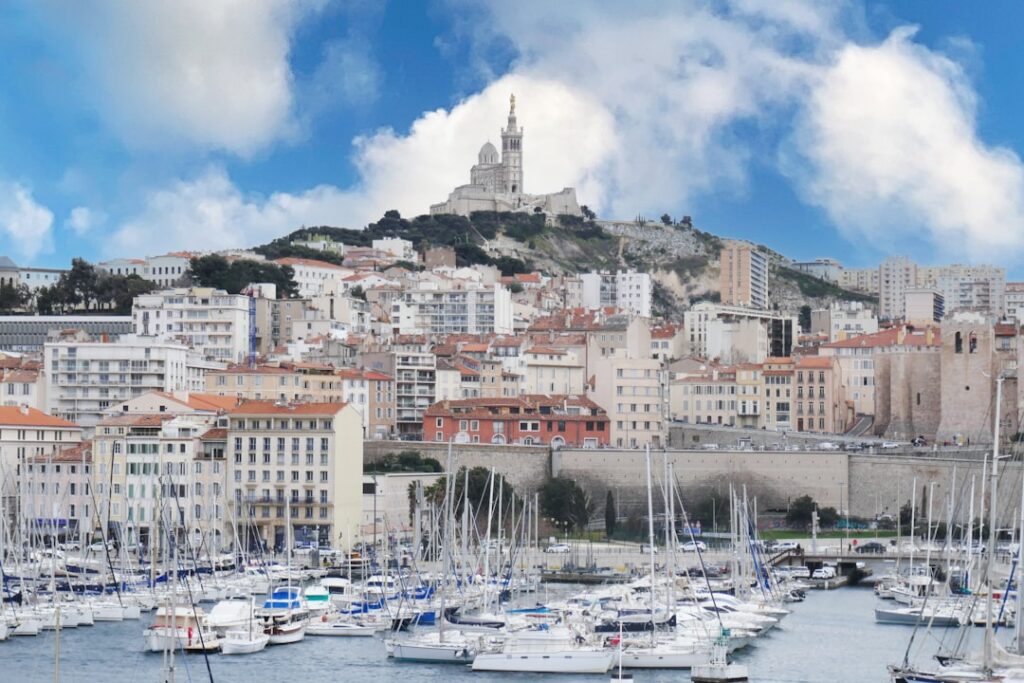






Introduction — Downtown or the suburbs in Marseille: which choice fits your vibe?
Deciding where to stay or explore in Marseille often comes down to a simple split: the buzzing city center or the calmer, sea‑facing outskirts. Marseille is both compact and sprawling — it has winding historic streets, lively squares, iconic tourist spots and, just a few kilometers away, wild calanques and relaxed residential neighborhoods. In this guide we weigh the pros and cons of several areas — the Old Port, Le Panier, Cours Julien/La Plaine, Prado, Vallon des Auffes, the Calanques and La Corniche — and give exact addresses, price ranges, useful opening times and local tips so you can match a neighborhood to your priorities (culture, beach, quiet, nightlife, family).
The city center concentrates most of Marseille’s landmark attractions: the Vieux‑Port (Quai des Belges, 13001 Marseille) is the historic heart and the best jumping‑off point for ferries to Château d’If (departures from the Old Port quay), the MUCEM (Museum of European and Mediterranean Civilisations, 7 Promenade Robert Laffont, 13002 Marseille) and the Cathedral de la Major (Place d’Armes). These sites are walkable and well served by public transport (metro line 1 to Hôtel de Ville, line 2 toward Castellane/Notre‑Dame‑du‑Mont). Prices are generally published in advance: MUCEM tickets roughly €11 for adults (indicative), round‑trip ferries to Château d’If €8–12 depending on the company and season, and the little tourist train up to Notre‑Dame de la Garde about €9–11.
By contrast, Marseille’s outskirts offer different experiences: the Prado area (Avenue du Prado) is residential, close to managed beaches and green spaces like Parc Borély (Parc Borély, Avenue du Parc Borély, 13008 Marseille), while the Calanques (Parc National des Calanques, trails to Sormiou, Morgiou, Cassis) promise wild nature and turquoise coves — note paid parking and shuttle buses in summer. Addresses, opening times and prices vary widely: a hike to Calanque de Sormiou is free (although some shuttles or parking can cost €4–10), while a seafood restaurant in the Vallon des Auffes like Chez Fonfon (140 Rue du Vallon des Auffes, 13007 Marseille) will serve bouillabaisse from around €40–60 per person depending on season.
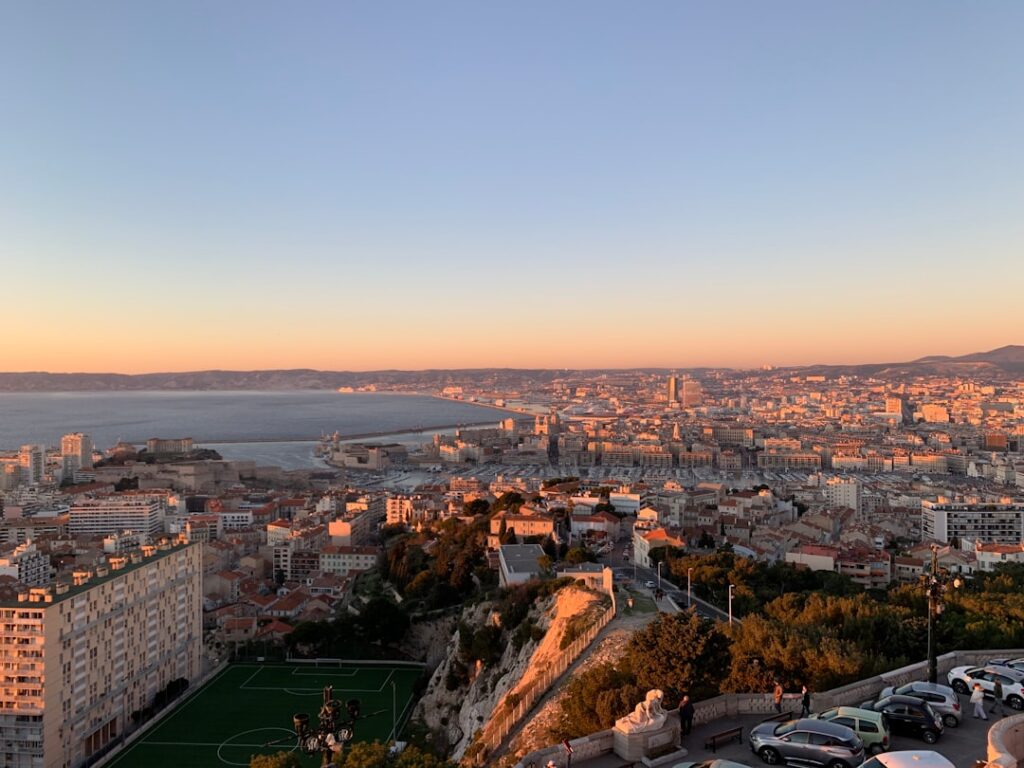
This guide helps you pick neighborhood by neighborhood based on what matters to you: cultural immersion, local authenticity, sea access, residential calm, or nightlife. Each section outlines where to eat, what to see, how to get around and how much to budget. Practical tips will help you avoid common traps (reduced opening hours off‑season, weekly restaurant closures) and get the most out of Marseille whether you’re on a short visit, looking for a rental as an expat, or planning a family trip.
Old Port, Le Panier and MUCEM: perfect for the classic Marseille experience
The Vieux‑Port (Quai des Belges, 13001 Marseille) remains both a tourist magnet and a local meeting point. Stroll through the fish market at Les Halles de la Major (the fishmongers’ stalls along the quays) in the morning to soak up the atmosphere and pick up fresh fish. Top activities include a ferry trip to Château d’If (departures from the Old Port quay opposite number 1), visiting the MUCEM (Museum of European and Mediterranean Civilisations, 7 Prom. Robert Laffont, 13002 Marseille), and climbing up to the Cathédrale de la Major (Place d’Armes, 13002 Marseille). MUCEM opening hours: usually 10:00–18:00 (closed Tuesdays), full price ticket around €11; check the official site for temporary exhibits and evening events.
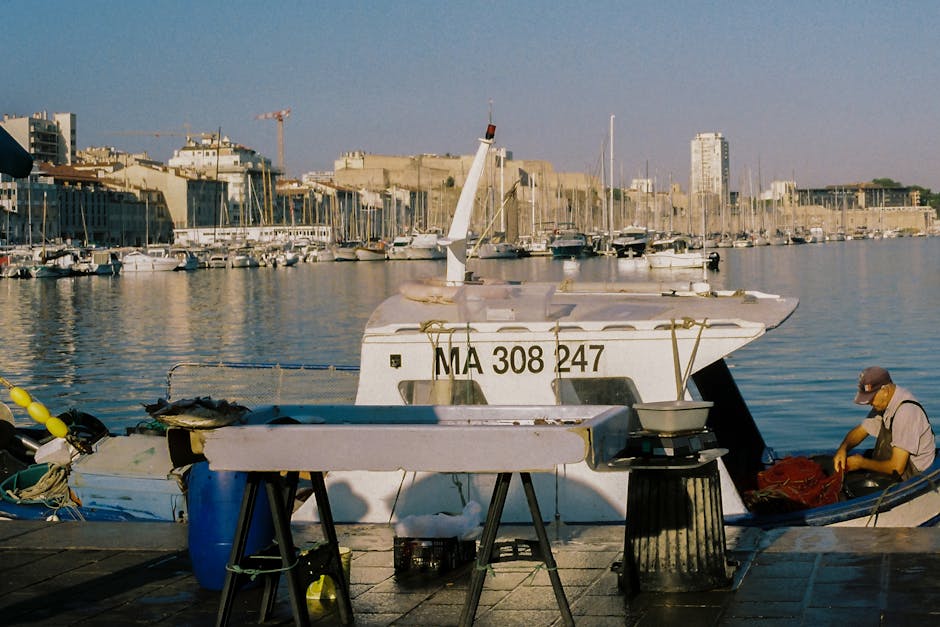
Le Panier (Rue du Panier, 13002 Marseille) is the oldest neighborhood in Marseille, ideal if you’re after authenticity: colorful alleys, artisan workshops and small shady squares. Walk early in the morning or late afternoon to avoid crowds. For food, Le Café des Épices (indicative address: a medieval street near Le Panier — check locally) serves dishes in the €10–18 range. For something more formal, Le Miramar (12 Quai du Port, 13002 Marseille) is famous for its bouillabaisse: expect €45–60 per person for a traditional bouillabaisse; booking is strongly recommended. Typical opening hours: lunch and dinner service, though some restaurants close Sunday night or Monday.
Transport: metro (line 1 – Vieux‑Port station), buses and self‑service bikes (Le Vélo). Advantage of the city center: everything is close and walkable. Downsides: night noise, higher accommodation prices (hotel rooms €70–200 per night depending on category and season), and heavy tourist traffic in summer. Local tips: book attractions in high season, go up to Notre‑Dame de la Garde early to avoid queues and catch the best light over the city; access to the basilica is free, but the small tourist train from the Old Port costs about €9–11.
Cours Julien, La Plaine and Castellane: bohemian vibes, cafes and nightlife
If you’re after a boho, arty and nightlife‑friendly atmosphere, head to Cours Julien and La Plaine (Cours Julien, Place Jean Jaurès, 13006 Marseille). Cours Julien is the district of bars, intimate concerts and colorful street art. You’ll find café‑venues like Le Petit Théâtre du Gymnase (square near Cours Julien) and tapas bars where a sharing board costs €6–15. The La Plaine market (Place Jean Jaurès) takes place Tuesday, Thursday and Saturday mornings and is full of local produce and authentic Marseille energy.
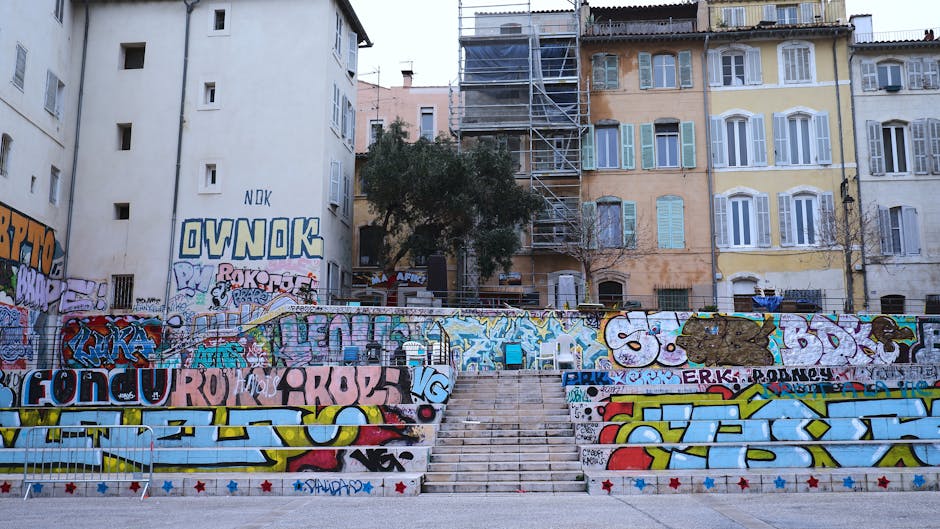
Castellane and the surrounding area strike a nice balance between neighborhood life and direct metro access (lines 1 and 2, Place Castellane). It’s a practical choice for families and longer stays: bakeries, markets, small shops and parks. Rents here are often lower than at the Old Port: one‑bed apartments from around €600–900 per month depending on condition and proximity to transport. Shop hours: most open 8:00–19:00, with some closing in the afternoon; many are closed Sunday morning only.
Why pick this sector? For its friendly atmosphere, affordable restaurants (a full meal €12–20), live music nights and proximity to La Plaine. Downsides: fewer sea views, and some streets can be noisy at night. Practical tip: choose accommodation on quieter side streets to reduce noise and use local markets to cook with fresh produce — the Castellane market is a great spot for fruits, vegetables and fish priced roughly €2–20 depending on the item.
Prado, Parc Borély and the Calanques: residential calm and nature
For a stay focused on relaxation, beaches and green spaces, the Prado area (Avenue du Prado) and Parc Borély (Avenue du Parc Borély, 13008 Marseille) are ideal. Parc Borély is a landscaped garden with an English-style park, rose garden and a small lake; entry is free and it’s generally open from sunrise to sunset. The Prado beaches (Plage du Prado, access via Avenue du Prado) are developed and family‑friendly with showers and paid parking in summer. Accommodation here tends to be quieter and suitable for longer stays or families, with average rents €800–1500 per month for 2–3 room apartments depending on proximity to the sea.
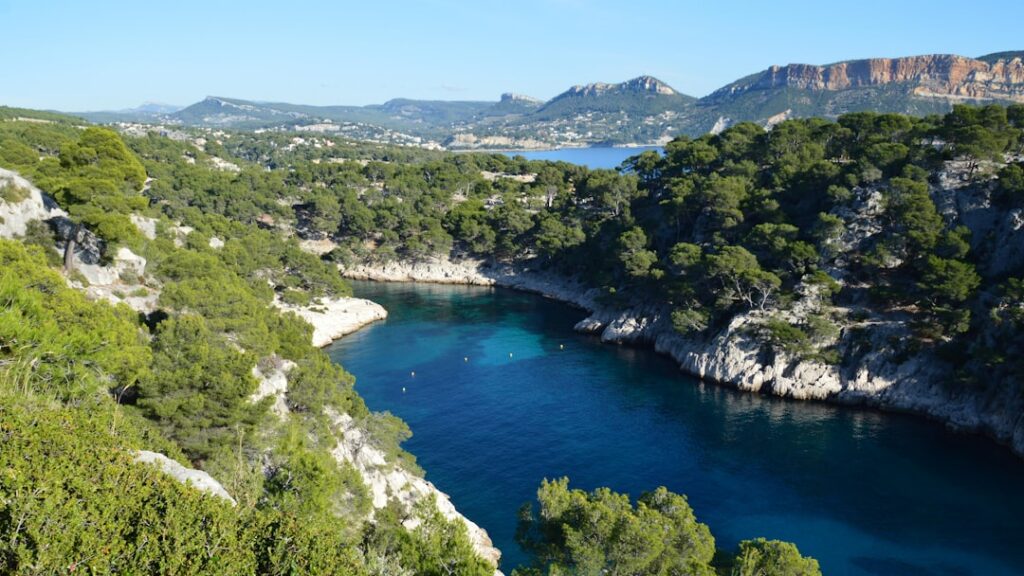
If you’re dreaming of nature outings, the Calanques (Parc National des Calanques, routes to Calanque de Sormiou, Calanque de Morgiou, Calanque d’En‑Vau) are worth the trip. Access options: private cars (paid parking depending on season), buses from the center (L1, bus 21 toward Luminy) or summer boat shuttles from the Old Port. Trails are free but sometimes demanding: bring water, hiking shoes and a map. Seasonal boat shuttles to Cassis or the Calanques cost between €10 and €20 round trip depending on distance. Local tips: set out early to beat the heat and potential access restrictions (fire risk closures), and respect the National Park rules (no open fires, carry out your trash).
Local dining in the south: Chez Fonfon (140 Rue du Vallon des Auffes, 13007 Marseille) is a well‑known seafood restaurant, with bouillabaisse from around €40–60 per person; typical hours 12:00–14:30 and 19:00–22:00 and closed some weekdays — booking recommended. For cheaper options, several fishmongers and beach snack bars offer takeaways for €8–15.
Vallon des Auffes, La Corniche and practical tips to choose
The Vallon des Auffes (Rue du Vallon des Auffes, 13007 Marseille) is a picturesque fishing hamlet tucked beneath Corniche Kennedy — perfect if you want a maritime atmosphere without the Old Port crowds. Wander around the little harbor, snap photos from the Corniche (Corniche Kennedy, 13007 Marseille) at sunset, and dine at local favorites like Chez Fonfon (mentioned above) or Le Petit Nice Passedat (address: Anse de Maldormé, 13007 Marseille) for a high‑end gastronomic experience (tasting menus often exceed €100 per person).
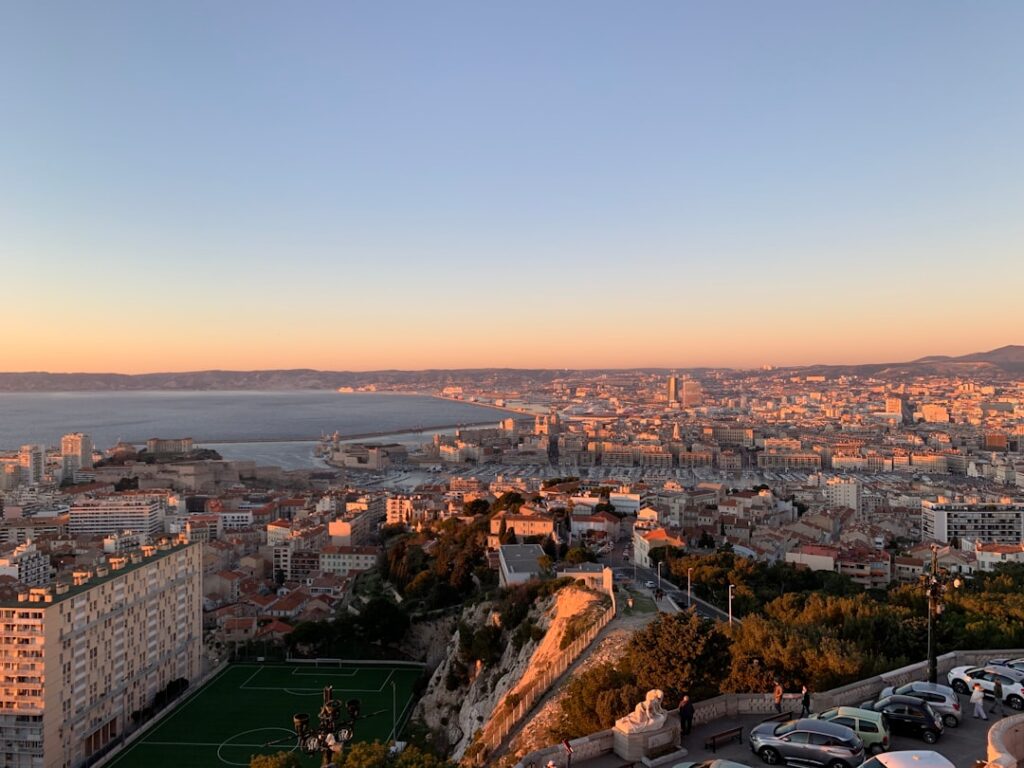
Practical tips for choosing your neighborhood: 1) if you want to see the most monuments and live the city on foot, pick the city center (Vieux‑Port, Le Panier); 2) if you prefer authenticity and an artistic nightlife, choose Cours Julien/La Plaine; 3) if your priority is calm, beaches and nature, go for Prado/Parc Borély and the Calanques; 4) for a picturesque, romantic stay, Vallon des Auffes and the Corniche are ideal. Consider transport: the RTM network (bus, metro, tram) is efficient for reaching most neighborhoods. Fare info: single ticket about €1.80 valid for 1 hour, day ticket €5–6 (indicative — check at purchase).
Conclusion — Which neighborhood to choose by vibe: summary and recommendations
Your choice between downtown and the suburbs in Marseille really depends on what you prioritize. The center (Vieux‑Port, Le Panier, MUCEM) is great for cultural immersion and easy access to ferries, museums and iconic restaurants (bouillabaisse at Le Miramar, 12 Quai du Port, 13002 Marseille, €45–60). Cours Julien and La Plaine appeal to nightlife lovers, street art fans and independent cafés with reasonable prices (meals €10–20). Prado, Parc Borély and the Corniche attract those seeking green space, managed beaches and residential tranquility. Finally, Vallon des Auffes and the Calanques offer postcard‑perfect sea views and hiking, keeping in mind marine shuttles (€10–20) and paid parking in high season.
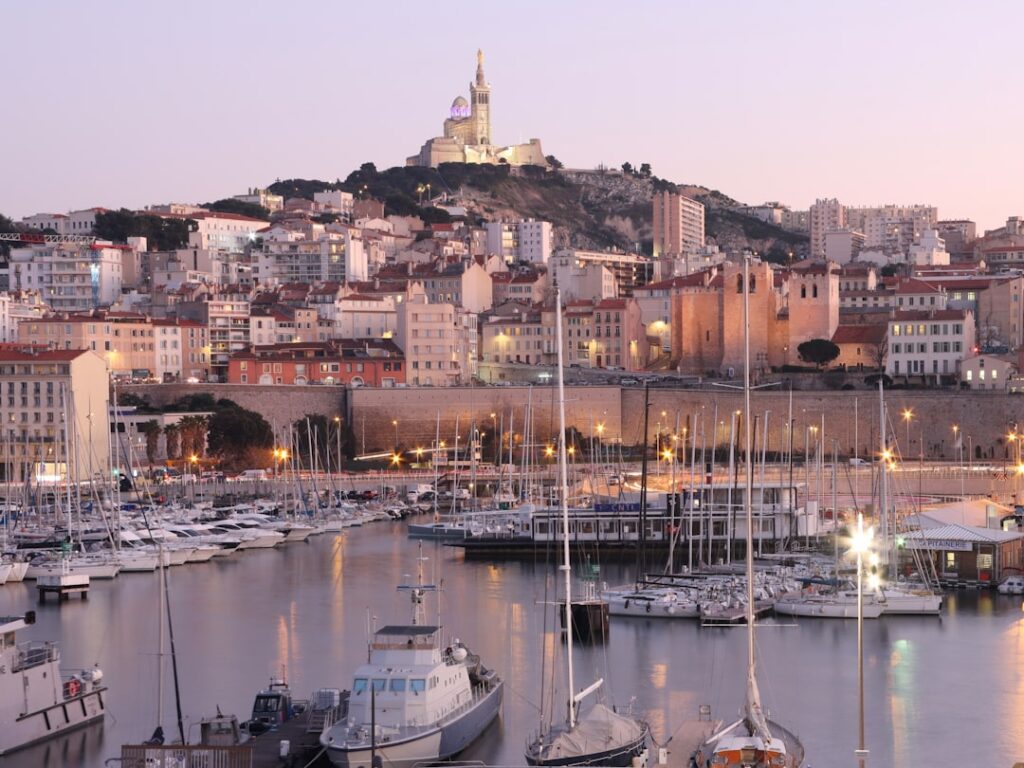
Always double‑check opening hours and prices for the dates of your visit: museums can change their schedules (MUCEM often 10:00–18:00), restaurants have weekly closures and weather conditions heavily influence access to the Calanques. Local tip: install the RTM app for real‑time timetables, buy museum and ferry tickets online to skip lines, and aim for early arrivals at coastal sites. If you’re traveling with family, favor Prado/Parc Borély for beaches and green spaces; if you’re a couple after romance and fine dining, book a table in the Vallon des Auffes or at Le Petit Nice Passedat (reservations and a generous budget required).
In short, Marseille is a city of many paces: downtown for buzz and monuments, the outskirts for sea and calm. Match your lodging to your priorities and mix it up: a typical stay could combine two nights at the Old Port for museums and sightseeing + two nights at Prado or Vallon des Auffes for relaxation and the Calanques. That way you’ll experience the many faces of Marseille — cosmopolitan life, maritime traditions and spectacular nature.