





Introduction — Marseille made accessible in 2026: current status and issues for people with reduced mobility
Marseille, France’s second city and a major Mediterranean port, is constantly evolving to become more welcoming and inclusive. In 2026, accessibility for people with reduced mobility (PRM) goes well beyond ramps and adapted toilets: it’s about a coherent network of infrastructure, services and information that lets every visitor fully enjoy the city’s urban, cultural and natural riches. This guide was written to provide a practical, detailed look at accessible infrastructure, equipped venues, support services and local tips to help plan a calm, confident stay.
We cover iconic sites such as the Old Port, the MuCEM (Museum of European and Mediterranean Civilisations), Notre-Dame de la Garde, Palais Longchamp, the Calanques and the Frioul islands, as well as the transport network (metro, tram, bus, train station and airport) and accessible hotel options. Each section includes precise addresses, up-to-date opening hours, indicative prices in euros, immersive descriptions of adaptations and concrete tips to optimize your movement around the city.
Why this guide? Because accessibility is not just a box to tick in a regulation: it shows in the comfort of a wide elevator, in high-contrast signage, in staff trained to welcome visitors with disabilities, and in the availability of personalized assistance on request. In Marseille, public initiatives (city hall, metropolitan authorities) and private actors (museums, hotels, ferry companies) progress at different paces. Recent projects — renovation of the Old Port quays, modernization of the RTM network, improvements at the MuCEM — have made a real difference, but some black spots remain, especially in historic areas and on steep paths leading to viewpoints.
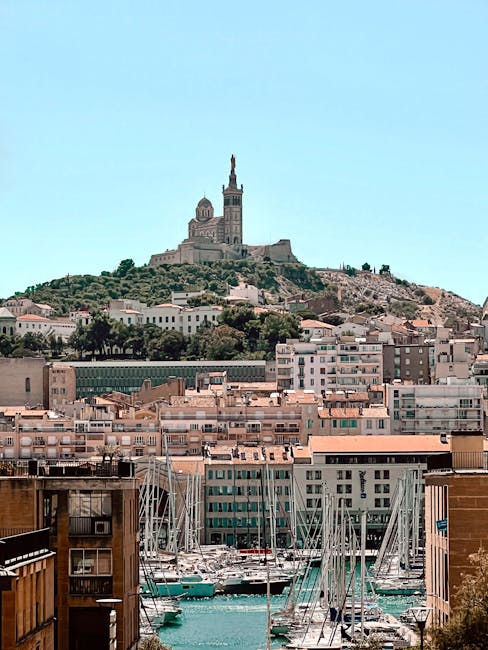
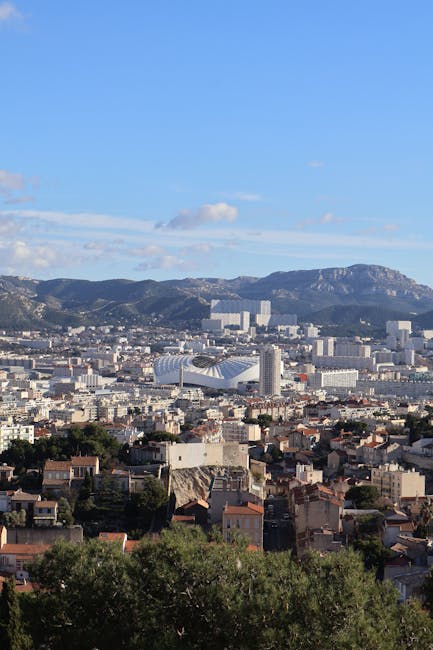
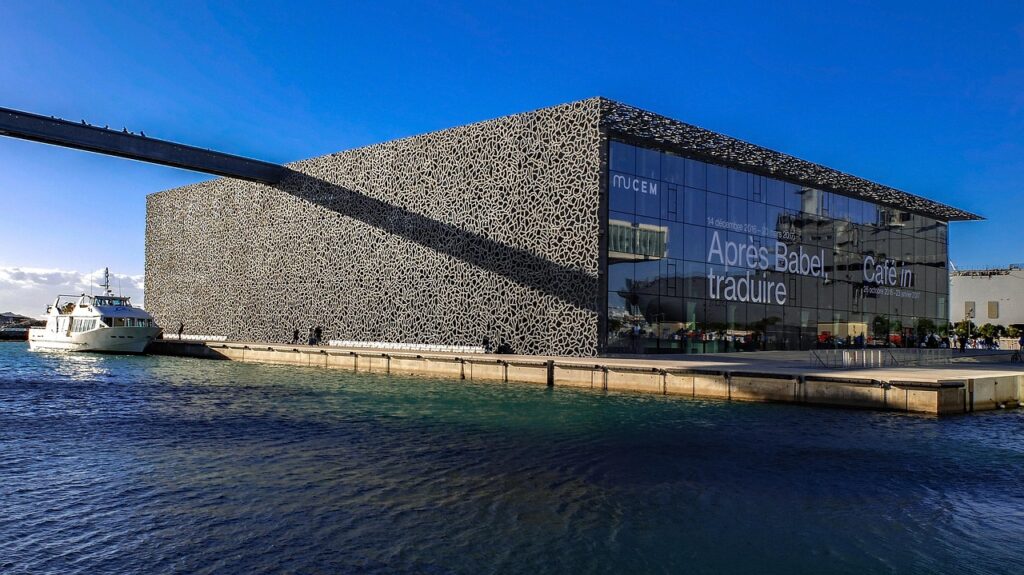
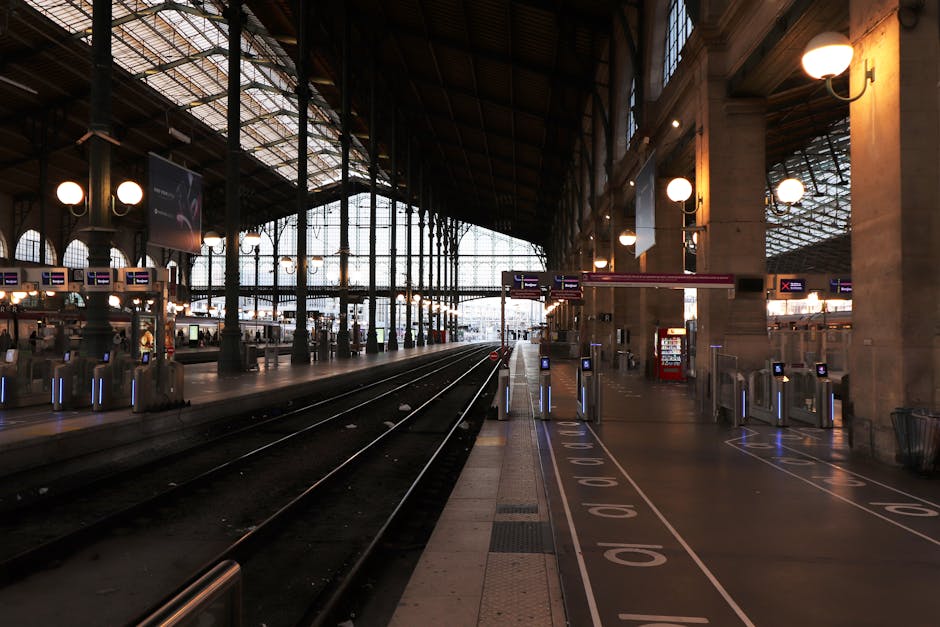
This guide aims to be a practical tool to plan a trip, understand the real state of facilities in 2026, and adopt local best practices. In addition to practical information (prices, hours, addresses), you’ll find recommendations for advance planning (reserving an accessible room, requesting an adapted vehicle), alternatives to avoid obstacles, and useful contacts (service numbers and welcome desk addresses). The photos referenced by the 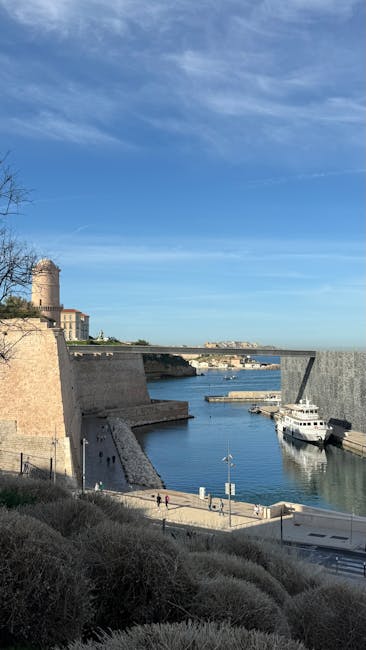 markers illustrate key visual atmospheres to help you picture the terrain: accessible Old Port quays, MuCEM entrances, adapted ferry quays, elevators at Gare Saint-Charles, the access ramp to Notre-Dame de la Garde, and facilities in the Calanques.
The tone is professional and factual, while remaining practical: you’ll find sensory descriptions (slope, surface, door widths) so you can assess whether a site suits your needs. Finally, local tips — such as the best times to visit the Old Port to avoid crowds or contacts for ferry companies offering easier boarding — round out the approach. Let’s move on to the main practical areas, each covered in detail so you can prepare your Marseille visit with confidence.
Urban and regional transport: what Marseille offers PRM travelers in 2026
The Aix-Marseille-Provence metropolitan public transport network (RTM) has seen significant upgrades. In 2026, the metro, tram and a portion of the bus fleet are equipped to provide reasonable access for people with reduced mobility, though experiences can vary by line and the age of stations.
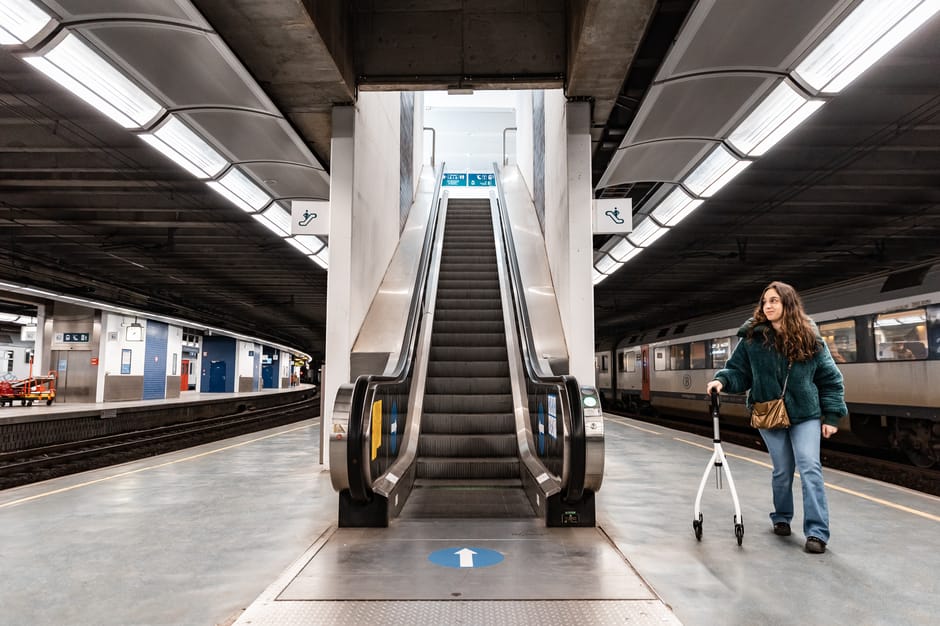
Metro: Both metro lines (M1 and M2) have elevators and accessible platforms in most city-center stations. Examples:
- Gare Saint-Charles — Place Pierre Méric, 13001 Marseille. Major railway station with elevators serving the platforms, tactile signage and station assistance. Opening hours: public access to halls 24/7, SNCF ticket offices open 05:00–23:00. TGV tickets not included. PRM assistance: pick-up by SNCF Accès Plus by appointment (booking recommended 48 hours in advance). SNCF fares vary.
- Vieux-Port (M1 station) — Quai du Port, 13002 Marseille. Station fitted with elevators and tactile paving. Metro hours: first trains around 05:00, last trains around 00:30–01:00 depending on the day. Single RTM ticket: €1.90 (2026 price); 10-ticket carnet: €14.50.
Tram: Tram lines (T1, T2, T3) are mostly level boarding, with low floors and dedicated wheelchair areas. They offer easier boarding thanks to raised platforms at main stops. Example: T2 – La Blancarde (main stop), well equipped for connections with TER trains.
Bus: A portion of the RTM bus fleet is accessible (ramps or low floors), but you should check the specific line: newer buses display a “PRM” pictogram and show real-time accessibility info in the RTM app. Bus fares are included in the RTM ticket at €1.90.
Shuttle boats and ferries: To reach the Frioul islands or Château d’If, several companies operate from the Old Port:
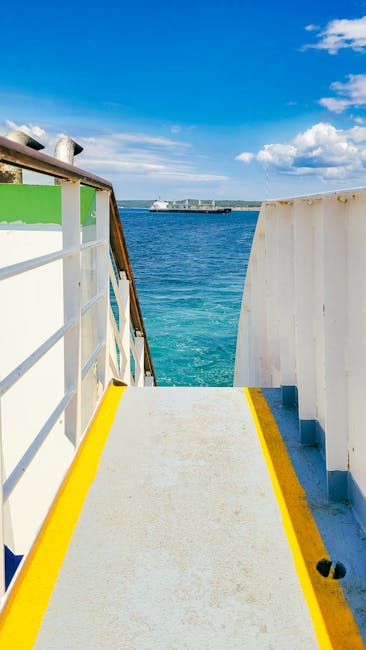
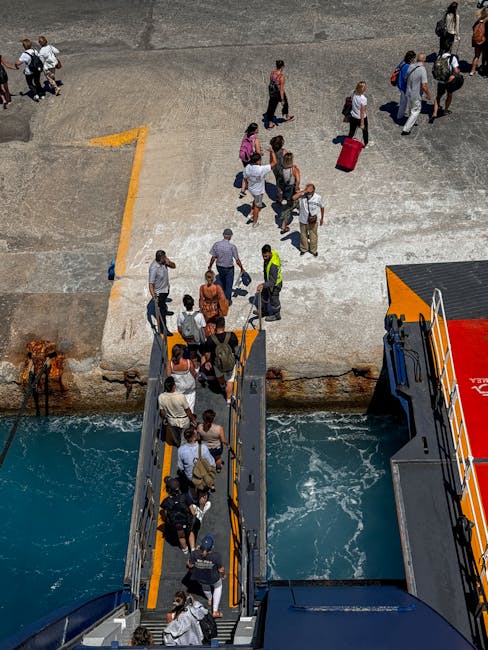
- Compagnie Frioul If Express — Old Port boarding point, Quai du Port, 13002 Marseille. Timetable: departures every 30–60 minutes in season (reduced off-season). Indicative fares: around €10.00 round trip for Château d’If, €13.00 round trip for Frioul (2026 prices indicative). Boarding: modular gangways and PRM assistance available on request (notify the company when booking, contact number: +33 4 91 90 04 04).
Airport: Marseille-Provence Airport, 13727 Marignane. The airport is generally accessible: adapted counters, accessible restrooms, reserved parking spaces. On-flight assistance is available by reservation (airport assistance number: +33 4 42 14 44 44). Adapted shuttle services and taxis are available. Shuttle price to the city center: MD2 shuttle about €8–10 per trip; taxis variable ~€30–40 to the center (indicative prices).
Adapted bikes and handcycles: Some rental offers include tandems or handbikes; check with “Le Vélo Bleu” (Vélo Bleu station, Old Port) and specialized associations that provide equipment on reservation.
Practical tips:
- Book any rail assistance (SNCF – Accès Plus) at least 48 hours in advance via https://www.sncf.com or by calling 36 35 (Accès Plus service).
- For ferries to Frioul/Château d’If, call the company in advance to arrange accessible boarding (allow an extra 15–30 minutes).
- Favor metro/tram to avoid the steep slopes of the old center; aim for stations with good facilities (Gare Saint-Charles, Vieux-Port, Castellane).
Cultural sites and museums: tours, prices and accessibility features
Many Marseille museums have implemented accessibility measures for PRM visitors. Offerings include elevators, induction loops, large-print audioguides and tailored tours by reservation. Here’s a detailed selection of must-see venues:
MuCEM — Museum of European and Mediterranean Civilisations
- Address: Fort Saint-Jean and J4, Esplanade du J4, 13002 Marseille.
- Opening hours: open daily except Tuesday, 11:00–18:00 (extended hours some evenings, check the site). Closed on January 1, May 1 and December 25.
- Price: permanent collection around €11.00 (reduced €6.50; free for under 18). 2026 prices indicative — check the official site.
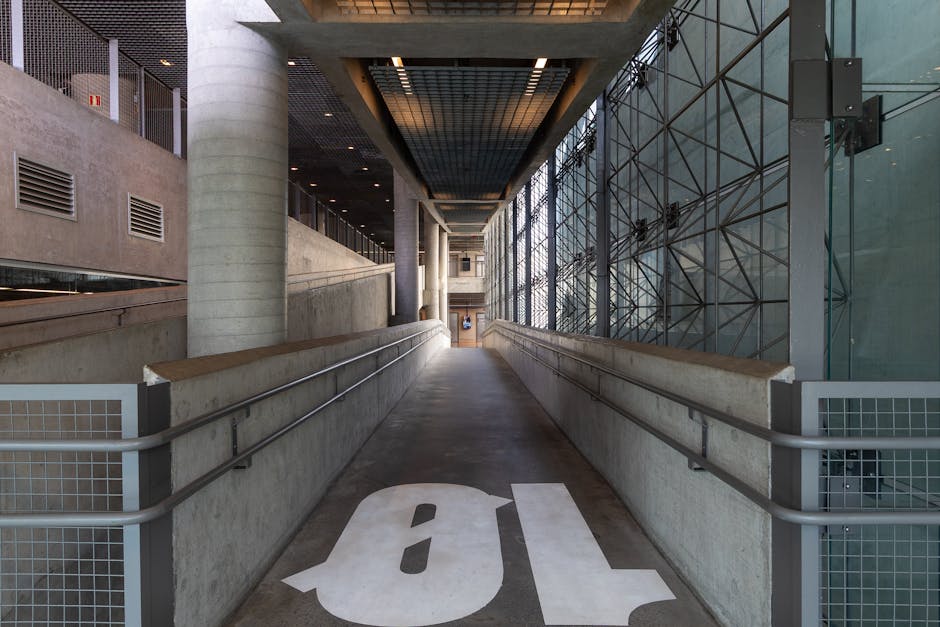
- Accessibility: wide elevators, access ramps, induction loops, accessible toilets, wheelchairs available on request at the welcome desk. Fort Saint-Jean and the footbridge to the MuCEM have gently sloping ramps allowing a continuous, pleasant route along the waterfront.
Palais Longchamp — Fine Arts Museum and Natural History Museum
- Address: Boulevard Longchamp, 13004 Marseille.
- Opening hours: Fine Arts Museum 10:00–18:00 (variable), Natural History Museum 10:00–17:30. Some spaces closed on Tuesdays.
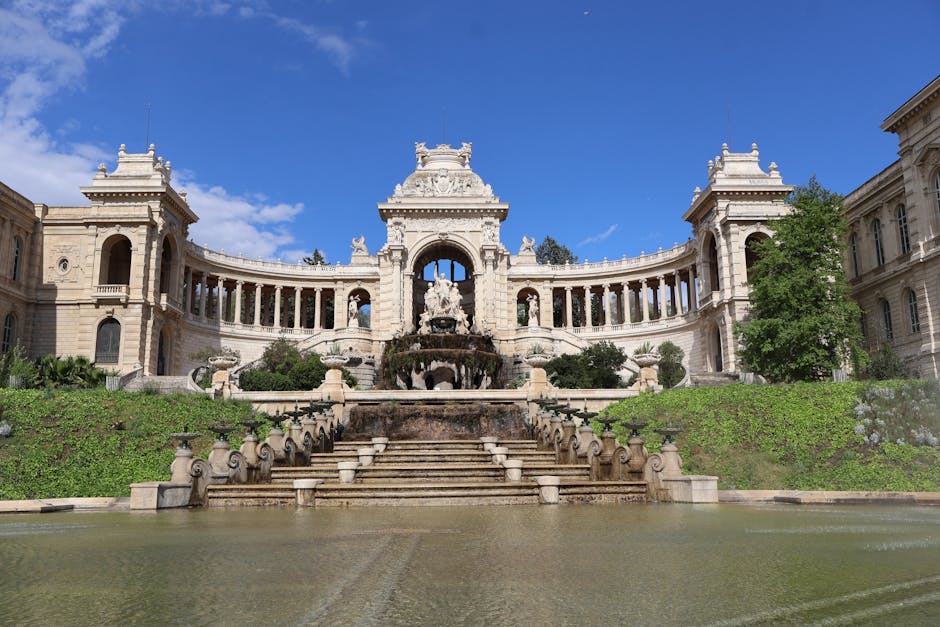
- Prices: Natural History Museum free for the permanent collection (temporary exhibitions vary, e.g. €6–10). Fine Arts Museum: free or reduced for temporary shows. PRM access: wide aisles and elevators, benches for resting in galleries.
Museum of Marseille History (Centre de la Vieille Charité)
- Address: Centre de la Vieille Charité, 2 rue de la Charité, 13002 Marseille.
- Opening hours: 10:00–18:00, closed on Mondays. Prices: permanent entry €5–8 depending on the exhibition (2026 price indicative).
- Accessibility: access ramp, elevator serving exhibition levels. Staff trained to assist PRM visitors upon request.
MuCEM — experience details
The MuCEM offers a unique architectural promenade — the latticed concrete walkways, planted courtyards and views over the grand port are easy to navigate in a wheelchair thanks to regular slopes and clear signage. Temporary exhibitions often include large-print routes and audioguides with induction loops. Tactile visits are occasionally organized — check with the museum at 04 84 35 13 13 or via the accessibility form on the official site.
Practical tips:
- Allow half a day for MuCEM + Fort Saint-Jean (elevators + outdoor promenades).
- Buy tickets online to avoid queues; most museums offer time slots to limit crowds.
- Use the benches and shaded areas at the MuCEM for sensory breaks with a sea view.
Iconic monuments and viewpoints: Notre-Dame de la Garde, Château d’If, the Calanques — accessibility and constraints
Searching out Marseille’s legendary viewpoints is often a highlight of a visit. These panoramas are unforgettable but can be hard to access for PRM visitors due to steep slopes and steps. Here’s the situation and accessible alternatives in 2026.
Notre-Dame de la Garde
- Address: Rue Fort du Sanctuaire, 13281 Marseille Cedex 06.
- Opening hours: Basilica open 07:00–19:00 (hours may vary for religious events).
- Price: entry to the basilica is free; guided tours or access to certain areas may be paid (suggested donations).
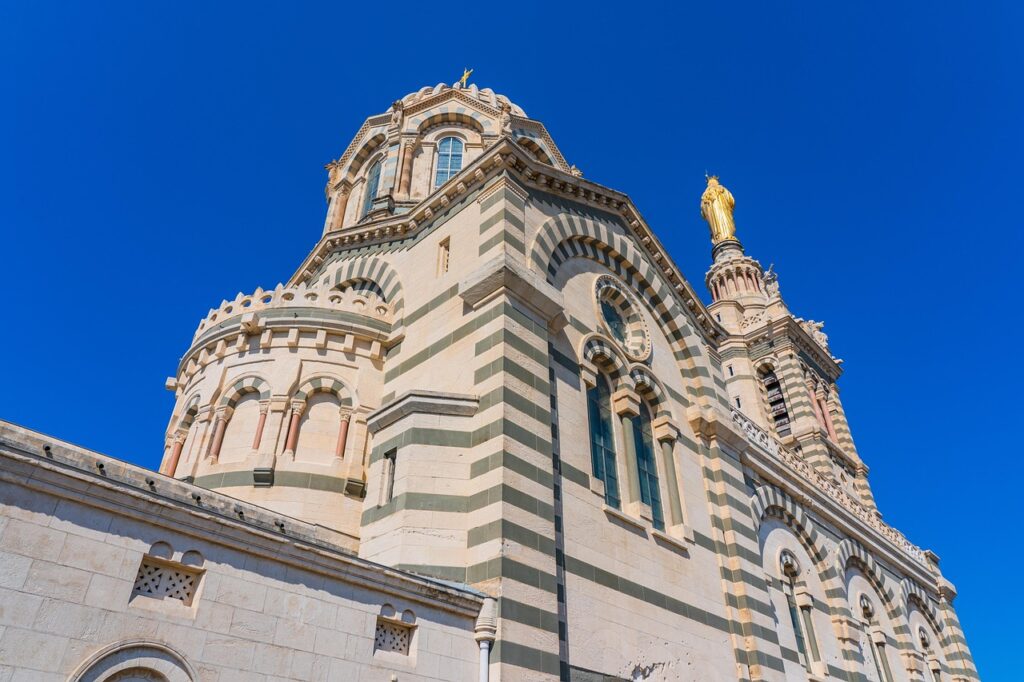
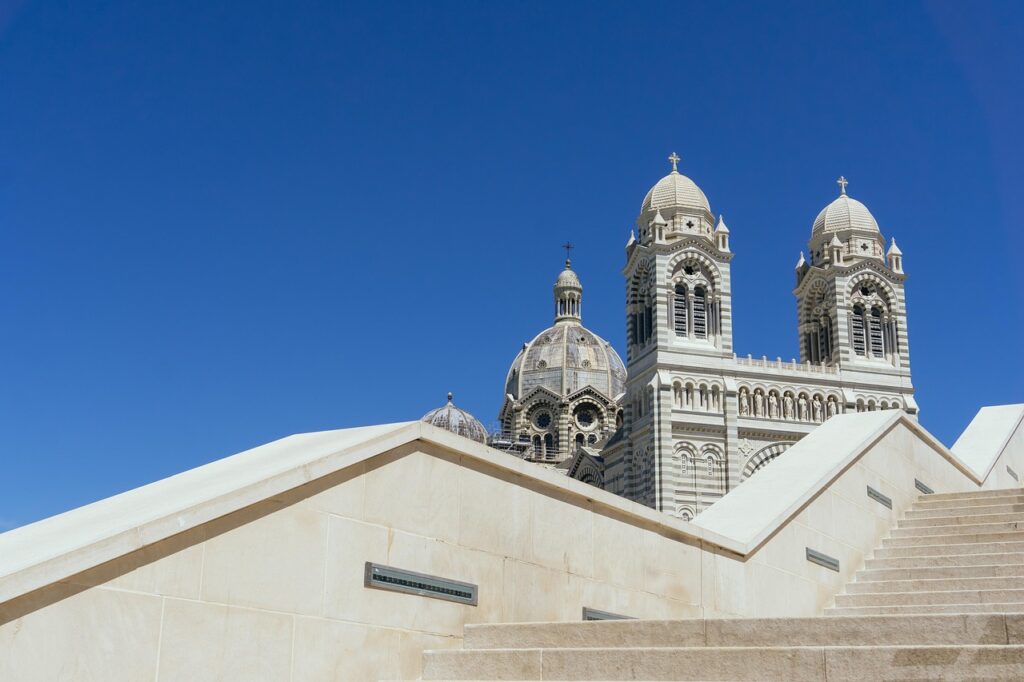
- Accessibility: the basilica itself is reachable via a ramp from the lower parking, but the road climb is steep. An internal elevator serves the main levels; accessible toilets are available at the welcome level. The panoramic terrace at the summit is accessible, but some areas with steps may remain. Accompaniment services for PRM visitors are available on request at the basilica reception.
Château d’If and the Frioul islands
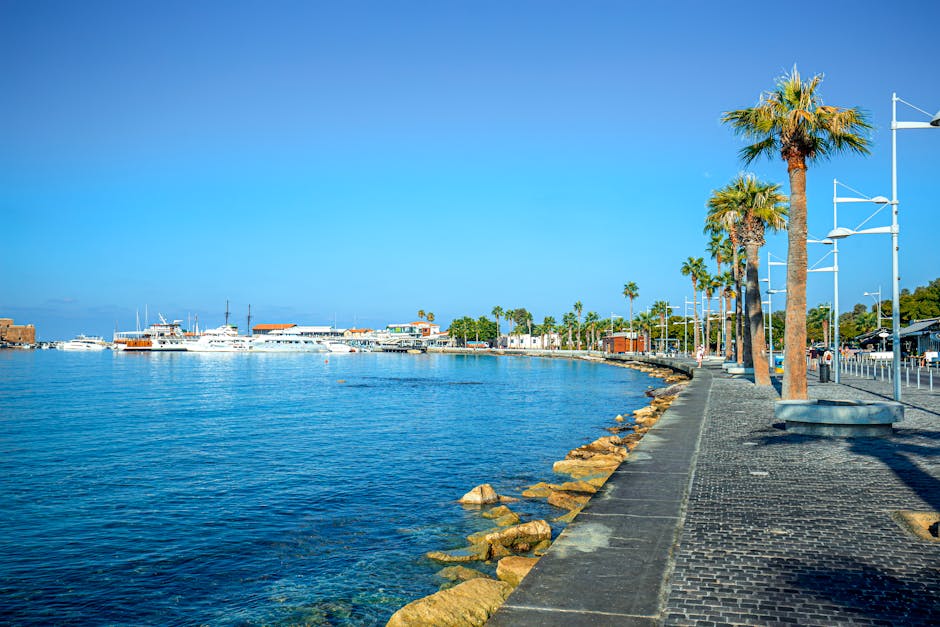
- Boarding point: Quai du Port, Old Port, 13002 Marseille. Companies: Frioul If Express, RTM depending on season.
- Timetable: Regular departures in season, reduced schedules off-season (check the company site). Price: about €10.00 round trip for Château d’If (2026 indicative).
- Accessibility: boats offer assistance to board, but the interior of the historic Château d’If includes stairs, narrow paths and uneven surfaces that limit full access for PRM visitors. The Frioul islands have more practicable paths and landing ramps; however, the terrain is natural and some zones remain unsuitable.
The Calanques (national park) — selective accessibility
The Calanques National Park sits on very rugged terrain. Some viewpoints reachable by car or via stabilized paths provide adapted experiences:
- Luminy viewpoint (road and parking): access to panoramic viewpoints by stabilized paths. Ideal for a scenic stop without hiking. Bus stop: Luminy (terminus) — line 21 (check bus accessibility).
- Calanque de Sugiton (limited access): rocky trails not recommended for PRM.
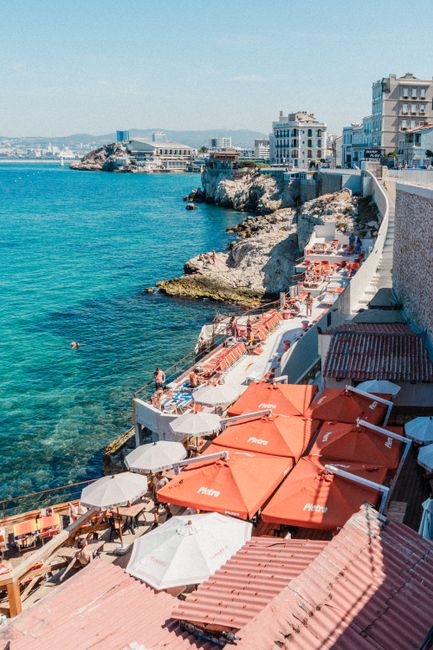
- Boat alternatives: private boat excursions with adapted gangways — several operators around the Old Port offer boarding that lets you discover the Calanques from the sea (private prices: from €150–250 for a half-day, variable by operator and PRM equipment).
Practical tips:
- For Notre-Dame de la Garde: arrive by car or taxi if possible to avoid the uphill climb; the lower parking has reserved spaces.
- For Château d’If: notify the ferry company in advance and ask about boarding conditions; full access to the fortress is not guaranteed for manual/electric wheelchairs.
- For the Calanques: favor an adapted boat trip or accessible viewpoints like Luminy. Wild trails remain mostly unsuitable for PRM visitors.
Hotels, restaurants and services: where to stay and eat while ensuring accessibility
Marseille has a varied hotel offer — from budget to high-end — with a growing number of accessible rooms. Many restaurants in the city center and along the waterfront offer step-free access, adapted restrooms and staff aware of accessibility needs. Here are addresses and tips to help you choose well.
Accommodation — examples of accessible hotels:
- Novotel Marseille Vieux-Port — 36 Boulevard Charles Livon, 13007 Marseille. Accessible room available, walk-in shower, accessible bar and restaurant. Indicative price: €120–210 / night (seasonal). Reception open 24/7. Reservations: +33 4 91 54 69 69. Parking: paid underground parking (reserved spaces).
- Ibis Styles Marseille Vieux-Port — 4 Rue Du Sand, 13007 Marseille. Accessible rooms, breakfast included depending on the rate. Indicative price: €80–140 / night. Reception 24/7, direct access to the Old Port.
- Residhome Marseille Saint-Charles — 68 Avenue de St Just, 13006 Marseille (example of an aparthotel near the station, accessible rooms available). Indicative price: €90–160 / night. Direct access to Gare Saint-Charles via a pedestrian shuttle with elevators.
Accessible restaurants:
- Le Miramar — 12 Quai du Port, 13002 Marseille. Speciality: bouillabaisse. Hours: 12:00–14:30 and 19:00–22:30. PRM access: level entrance, accessible toilets on request. Prices: mains €20–45.
- La Cantinetta — 11 Rue Fort Notre-Dame, 13007 Marseille. Small, accessible trattoria, step-free entrance and suitable tables. Average price: €15–30 per dish.
- Le Petit Nice (Alain Ducasse) — Anse de Maldormé, 13007 Marseille. Address: 17 Rue des Braves, 13007 Marseille (check exact access and level of accessibility; this high-end venue offers accessible rooms/entry on request). Prices: tasting menus €95–220 (depending on formula). Reservations essential — state accessibility needs at +33 4 91 59 86 00.
Additional services:
- Medical equipment rental and wheelchairs: Pharmacie de la Canebière, 1 Canebière, 13001 Marseille — rentals/contacts via the local pharmacy; indicative prices: manual wheelchair €15–25 / day, electric wheelchair €60–90 / day (prices vary).
- Adapted taxis: several companies provide TPMR vehicles (e.g. Taxi Bleu Marseille). Prices: €30–45 for a typical city-center ride (variable by distance and day).
- Local accompaniment services: associations like APF France Handicap (local branch) can provide advice and sometimes personalized support. Address: Bouches-du-Rhône departmental delegation — check locally for updated contact details.
Practical tips:
- When booking a hotel, always ask for a “confirmed accessible room” and a precise description of the bathroom (grab bars, walk-in shower, door width).
- For popular Old Port restaurants, book early and specify your needs (low table, step-free access).
- In high season (June–September), reserve medical equipment and adapted taxis well in advance, as demand rises sharply.
Practical advice, useful contacts and recommended routes for a worry-free stay
To turn information into a calm experience, here are tailored routes, practical contacts and local tips tested by PRM travelers. The goal: minimize surprises and make the most of Marseille.
Recommended 2-day accessible itinerary
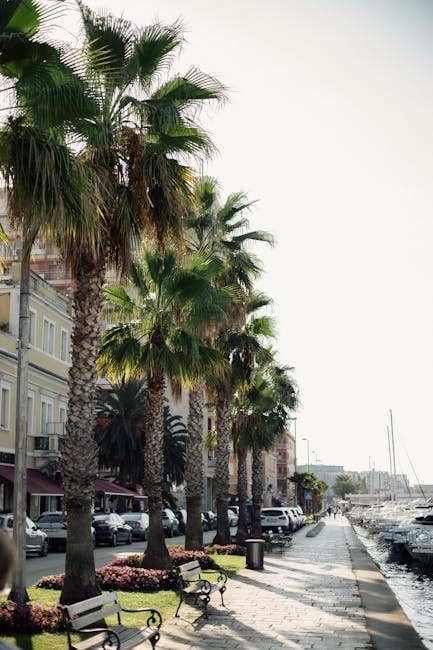
- Day 1 — Morning: visit the MuCEM (Esplanade du J4, 13002 Marseille). Arrive by tram or metro; site is accessible; allow 2–3 hours. Lunch: Miramar (12 Quai du Port, 13002 Marseille), level access. Afternoon: stroll along the Old Port (accessible quays), visit the Centre de la Vieille Charité (2 Rue de la Charité, 13002 Marseille). Late afternoon: return and rest at the hotel. Evening: dinner on the harbor.
- Day 2 — Morning: ascend to Notre-Dame de la Garde by adapted taxi (TPMR) or via the lower parking, enjoy the panoramic visit. Lunch: dine nearby at an accessible restaurant. Afternoon: short boat trip to Château d’If (boarding at the Old Port) if the fortress access suits your needs; otherwise choose a mini Calanques cruise with adapted boarding.
Useful contacts (selected):
- Marseille Tourist Office — Old Port, 1 Quai du Port, 13002 Marseille. Opening hours: 09:00–18:00. Phone: +33 4 91 54 16 54. Accessibility information and brochures available.
- SNCF Accès Plus — Station assistance reservations: 0 805 90 36 35 (free service + call charges may apply). Available from Gare Saint-Charles.
- RTM (Régie des Transports Métropolitains) — Customer service: +33 4 91 31 33 13 (hours vary); RTM app for real-time trip info and PRM pictograms.
- Marseille-Provence Airport assistance: +33 4 42 14 44 44 (PRM assistance — book in advance recommended).
Local tips:
- Favor weekday mornings to visit the MuCEM and the Vieille Charité to avoid tourist crowds.
- Avoid extreme summer heat for outdoor activities; Marseille is very sunny and heat increases fatigue.
- Keep a copy of your hotel contact details and key emergency numbers in your phone; traffic can be heavy, especially during sporting events or festivals.
- If you use an electric wheelchair, check battery range and availability of charging points at your accommodation; some hotels allow charging on request.
Conclusion — Toward a more inclusive city: strengths, limits and outlook for 2026+
In 2026, Marseille shows real strengths in accessibility: metro and tram modernization, emblematic museums (MuCEM, Palais Longchamp) equipped for PRM visitors, a growing accessible hotel offer and the development of specialized services (TPMR taxis, equipment rental). These improvements allow many PRM visitors to fully enjoy Marseille’s cultural and scenic assets, from Old Port promenades to contemporary seaside exhibitions.
However, on-the-ground reality still has limits. Historic areas, the narrow alleys of Le Panier, parts of the Calanques and the interiors of old military structures like Château d’If retain physical constraints: stairs, cobbles, steep slopes and uneven surfaces that prevent complete access. Solutions to these limits are often organizational: human assistance, assisted boarding, alternative routes and careful planning. Coordination between authorities (City Hall, Metropolitan), site managers and private operators is essential to reduce accessibility gaps.
For visitors, the key to a successful stay is preparation: book assistance services in advance (SNCF Accès Plus, ferry companies), clearly state your needs when reserving a hotel or restaurant, and favor off-peak hours to limit logistical constraints. Marseille already offers a lot, and with growing demand for inclusive services, regulatory developments and local initiatives should continue to improve the situation.
In short, Marseille in 2026 is shaping up to be an increasingly accessible destination, offering a range of services and adaptations for PRM visitors while still requiring some adjustments because of its historic charm and topography. By combining precise information, early booking and a few local tips, you can enjoy a rich, relaxed Marseille experience. For a successful trip, keep the essential contacts from this guide, plan alternatives (private boat, TPMR taxi) and don’t hesitate to ask museum, hotel and company staff for help — most are ready to facilitate your visit. Have a great stay in Marseille — a city of light, history and growing hospitality.