





Introduction: Neighborhood Grocers in Marseille — where tradition meets renewal
Marseille is a city of contrasts where the sea, the hills and bustling streets blend with a rich and diverse food culture. Neighborhood grocers play a central role here: they bring local products, traditional know-how, practical advice and human connections. Whether you live here, are passing through or are a curious foodie, finding the right spots can turn a simple errand into a sensory, cultural experience. This guide offers a practical, immersive look at neighborhood grocers in Marseille where you can find local goods — from Bouches‑du‑Rhône olive oils to dried fish, aromatic herbs, artisanal preserves, Provençal cheeses and traditional breads.
We cover different kinds of shops: bulk organic stores, delicatessens specializing in seafood, historic Panier boutiques and small convenience stores that stock local producers. For each place you’ll find the exact address, opening hours, indicative prices and detailed descriptions to help plan your visits. We also share practical tips — when to go, how to ask for the best products, which specialties to look for by season — and short histories of a few spots that have shaped Marseille’s retail landscape.
Marseille benefits from an exceptional Mediterranean terroir: citrus groves, olive-clad hills, stretches of wild herbs and, of course, nearby fishing for some markets. Neighborhood grocers are where these products pass through. Some favor short supply chains and local craft producers, while others mix imported items with Marseille favorites. To help you navigate, we included clear time cues (opening hours, weekly closures), price ranges in euros and advice on negotiating or asking for samples — when appropriate. This guide isn’t exhaustive but selects tried-and-true places that reflect the diversity of Marseille’s grocery scene.
Finally, you’ll find visual suggestions to inspire your visits: image cues that capture the spirit of each place, useful if you want to prepare a travel sheet or a photo route. Follow this guide to discover where to buy the local olive oil, the fleur de sel, artisanal biscuits, canned seafood and fresh herbs that give Provençal dishes their signature character. Enjoy your gourmet exploration through the streets and alleys of the Phocaean city!
Organic and bulk stores: zero-waste and local products
The organic and zero-waste movement has taken root in Marseille, with neighborhood spots that sell local products in bulk: flour, oils, honey, dried legumes and sometimes artisanal preserves from Provençal producers. These shops often favor short supply chains and weigh products at the counter. Typical example: La Maison du Vrac — 12 Rue Francis Davso, 13001 Marseille. Hours: Tuesday to Saturday 10:00–19:00, closed Sunday and Monday. Indicative prices: local bulk flour €2.40/kg, Provence lentils €4.50/kg, local olive oil (500 ml artisan bottle) €9.50.
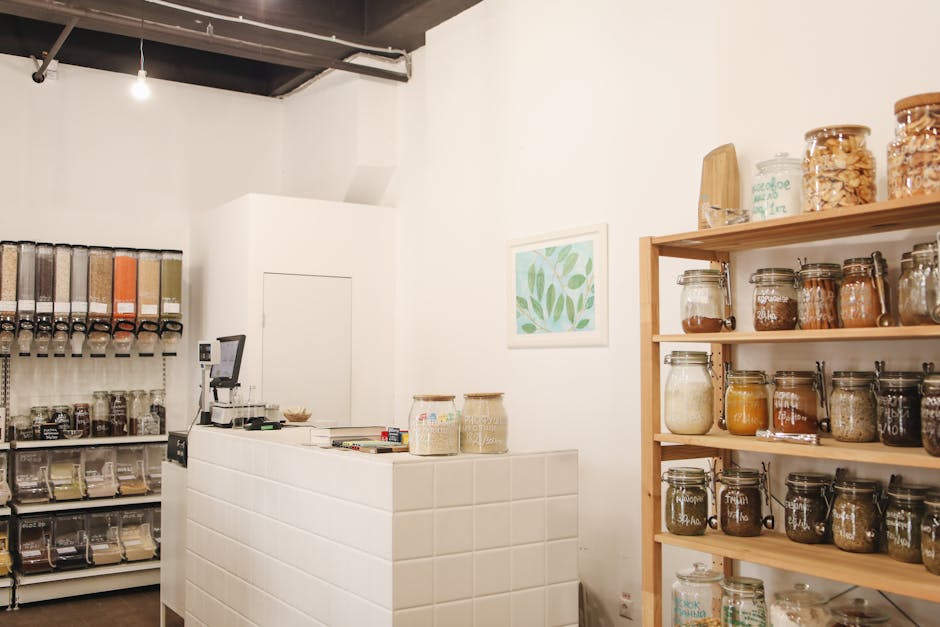
Another recommended spot: L’Épicerie Verte, 78 Rue de Lodi, 13006 Marseille. Hours: Monday 09:30–13:00 and 15:00–19:30, Tuesday to Saturday 09:30–19:30, closed Sunday. The shop highlights producers from the Bouches‑du‑Rhône and Var: beekeeper’s honey (250 g jar) €6.00, artisanal Marseille soap €3.50, bulk Herbes de Provence €7.20/kg. Staff are trained to advise on storage, kitchen substitutions and zero‑waste consumption habits.
Practical tips: bring your own containers (Mason jars or cloth bags) and always ask who the producer is — many shops display the producer’s name. Bulk prices often reflect quality: a garrigue honey can cost between €8 and €12 per jar depending on rarity, while local cereals remain affordable (€1.80–€3.50/kg depending on the variety). The best time to visit these shops is late morning: fresh restocks, staff available for explanations and sometimes product tastings. Expect occasional workshops too — soap‑making, local coffee roasting or olive oil tastings — often advertised in the windows or on local Facebook pages.
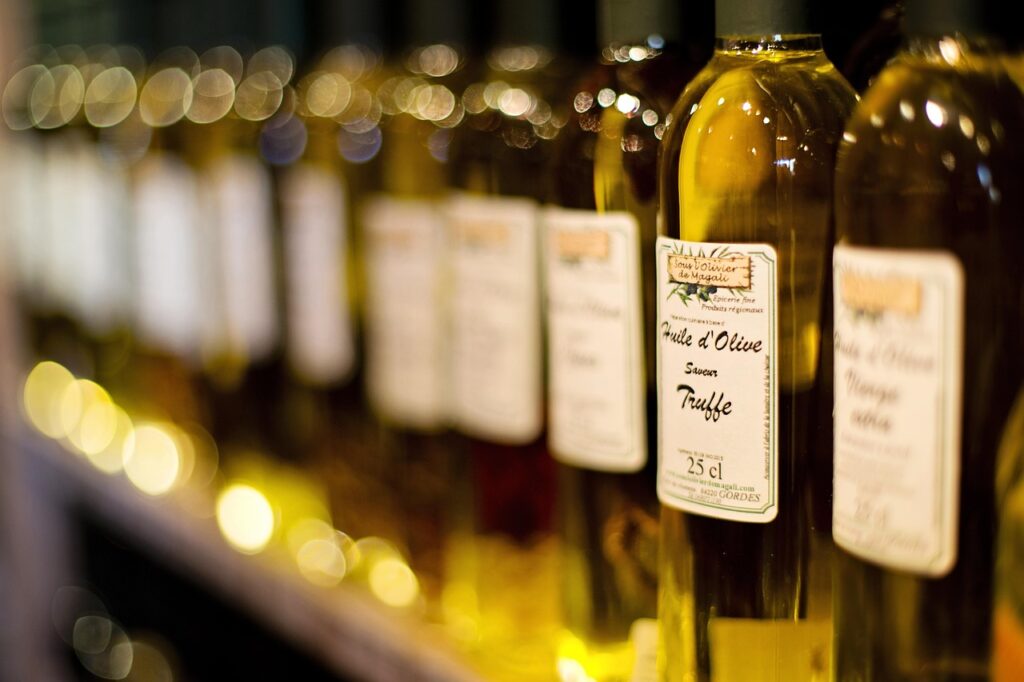
Neighborhood organic stores in Marseille are more than retail points: they foster social ties, offer reusable packaging solutions and share culinary tips suited to the Mediterranean climate. If you’re looking for a fruity olive oil, ask to taste several presses; if you want legumes that cook quickly, vendors can recommend local varieties or shorter soaking times. And to know a product’s exact origin, don’t hesitate to ask for the mill, olive grove or producer’s name — transparency is often a sign of quality.
Delicatessens and seafood specialties: canned fish, dried fish and Marseille tastes
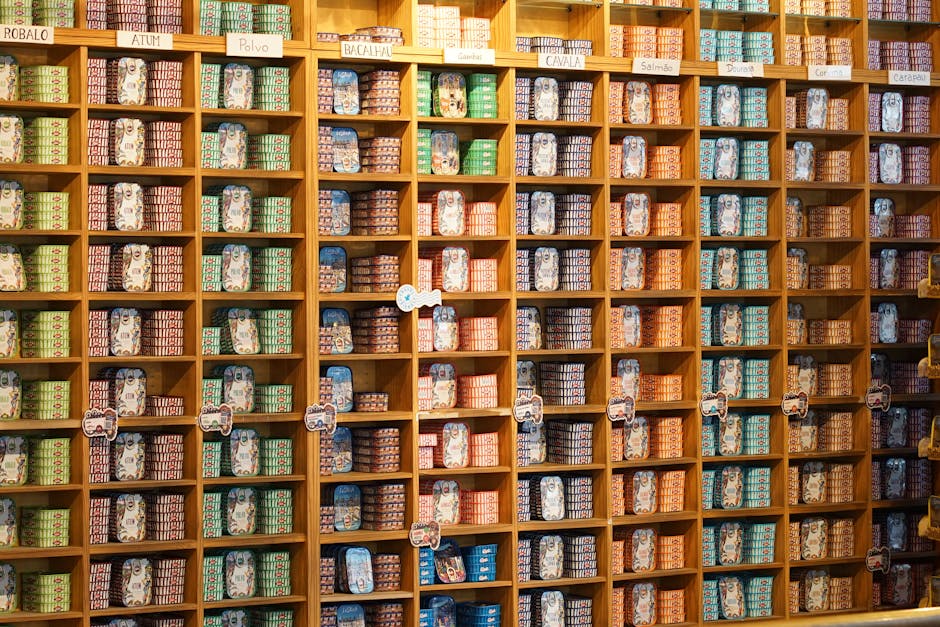
The Mediterranean’s proximity is strongly felt in Marseille’s delicatessens. You’ll find artisanal canned fish, anchoïades, tinned fish soups and seaweed‑based preparations, as well as flavored vinegars. An essential stop: La Conserverie du Vieux‑Port, 9 Quai du Port, 13002 Marseille. Hours: Monday to Saturday 10:00–19:00, closed Sunday. Products and prices: tin of sardines in artisan olive oil €4.20, tuna terrine with Herbes de Provence €6.80, tasting assortment €15.00.
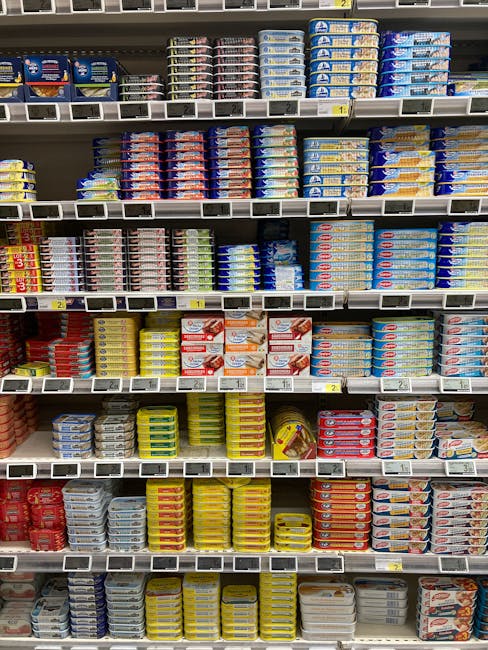
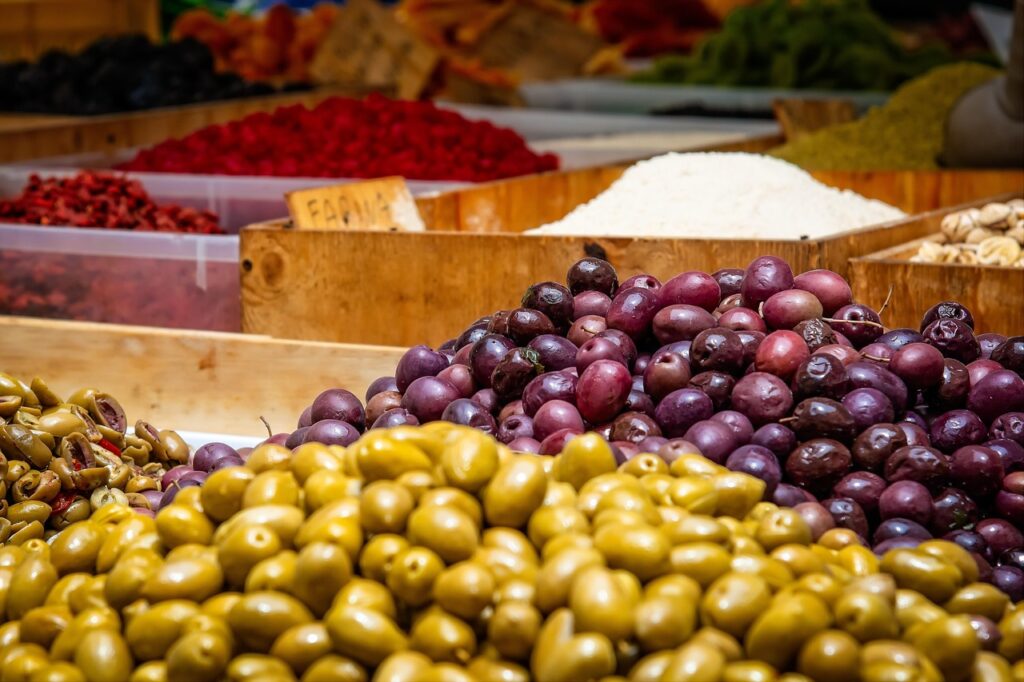
Another place to know: L’Atelier de la Mer, Delicatessen — 21 Rue du Panier, 13002 Marseille. Hours: Tuesday–Saturday 10:00–18:30, closed Sunday and Monday. The atelier works directly with small fishers and sells locally caught products in different forms: salted fillets, dried snack fish (prices €8.00–€12.00 depending on weight), and pouches of artisanal fish soup €5.50. For condiment lovers, look for cracked marinated olives (400 g) at €5.00 and artisanal tapenade €4.80 per 90 g jar.
Delicatessens are also the place to find Marseille specialties like candied turnip (a small sweet‑savory preserve), artisanal pastis liqueur (500 ml bottle €18–€25 depending on the distillery) and, of course, ready-to-heat fish soup (from €4.50 per tin). At La Conserverie du Vieux‑Port, staff often serve tasting plates on weekends (3 items/seasonings for €6–€9), perfect for sampling before buying more.
Local tips: for a successful plancha, ask for filleted products rather than whole fish for faster cooking. If you want canned goods as gifts, opt for pre-made gift boxes (€18–€35) that showcase several producers. Visit these shops in the morning for the widest selection recommended by staff; in the afternoon, some fresh products may be scarcer. And don’t hesitate to ask for cooking advice — many grocers share recipes and act as extensions of local fishers’ expertise.
Historic neighborhood grocers: the soul of Le Panier and Cours Julien
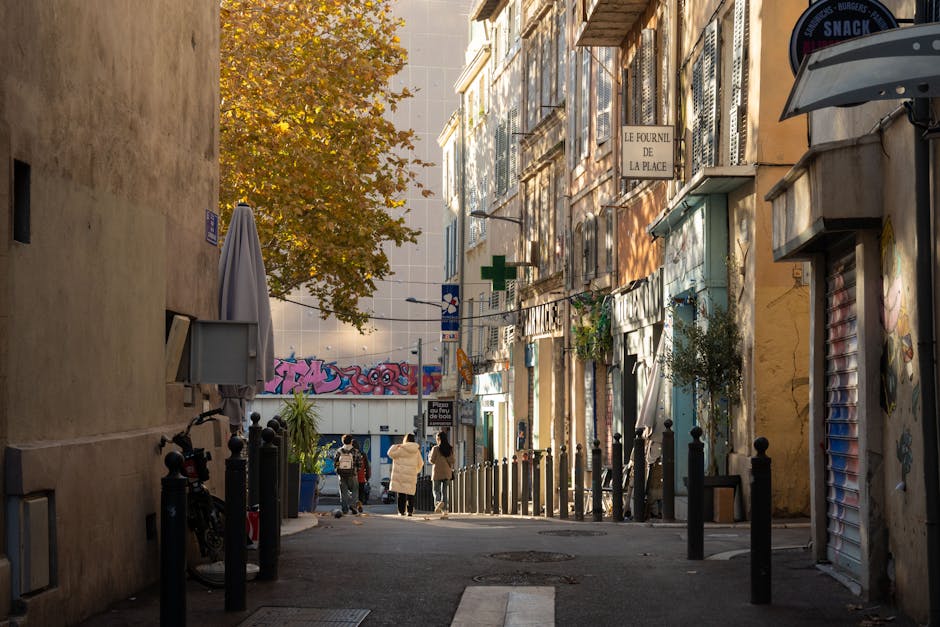
Marseille’s historic neighborhoods house age‑old shops and family businesses where recipes are handed down through generations. Le Panier is unmissable: narrow lanes, colorful shops and small grocers that have stood the test of time. Example: Épicerie Provençale du Panier — 5 Rue du Petit Puits, 13002 Marseille. Hours: Tuesday–Sunday 09:30–13:30 and 15:30–19:00, closed Monday. Key products: 30 g sachet of Herbes de Provence €2.50, 250 g Camargue sea salt €3.20, 320 g artisanal apricot jam €5.60.
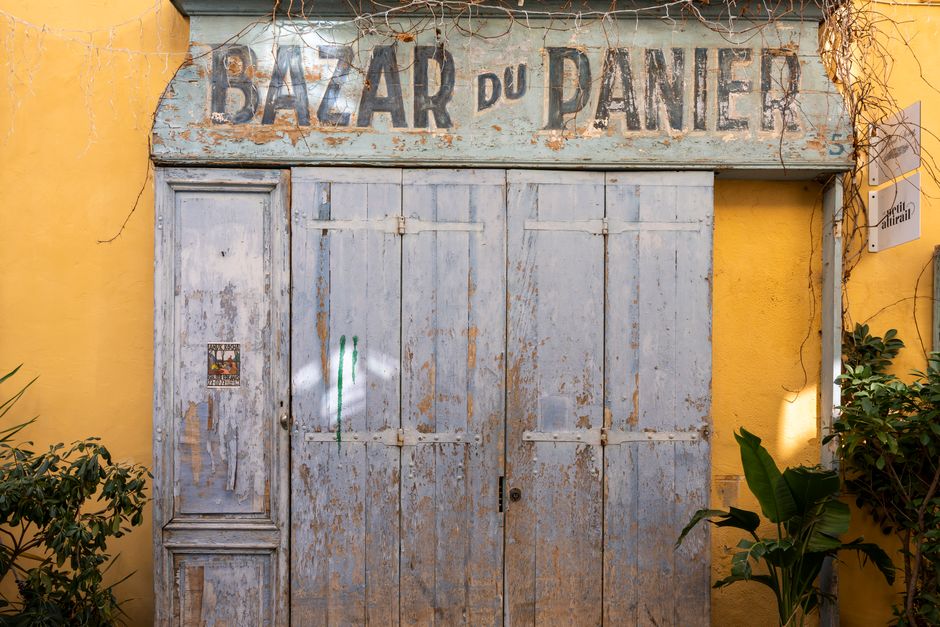
In Cours Julien, the bohemian, trendy quarter, several grocers mix local products with international discoveries. For example, L’Atelier du Goût — 14 Cours Julien, 13006 Marseille. Hours: Monday 10:00–19:00, Tuesday–Saturday 09:30–19:30, Sunday 10:00–14:00. You’ll find rosemary shortbread biscuits (200 g box) €4.90, local basil pesto €6.50, and a selection of natural wines from the region (€12.00–€25.00 per bottle).
These historic shops often deliver an immersive experience: antique furnishings, glass jars, old-fashioned scales and vendors who share stories and recipes. Prices vary but remain reasonable for artisanal quality: a medium local goat cheese €6–€9 depending on aging, a sourdough loaf (from a partnered local bakery) €2.60–€3.50. Panier grocers often suggest trying a producer’s “bouillabaisse in a tin” to taste a Provençal version at home (tin €6.80).
Practical advice for these neighborhoods: arrive early to avoid tourist crowds, especially in high season. For bulky purchases, ask if they sell reusable bags — many shops offer branded canvas bags (€3–€6). And take time to chat: shop owners enjoy telling the story behind a product, how it’s made and why it matters to their community. That added narrative enriches your purchase with meaning.
Markets and convenience stores: short circuits and everyday products
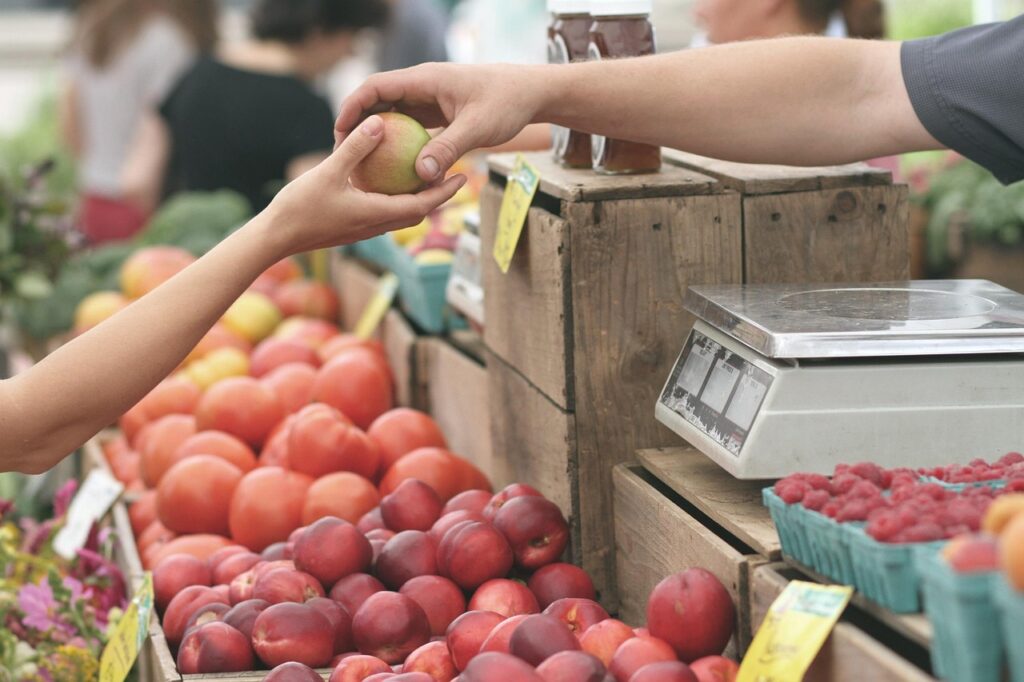
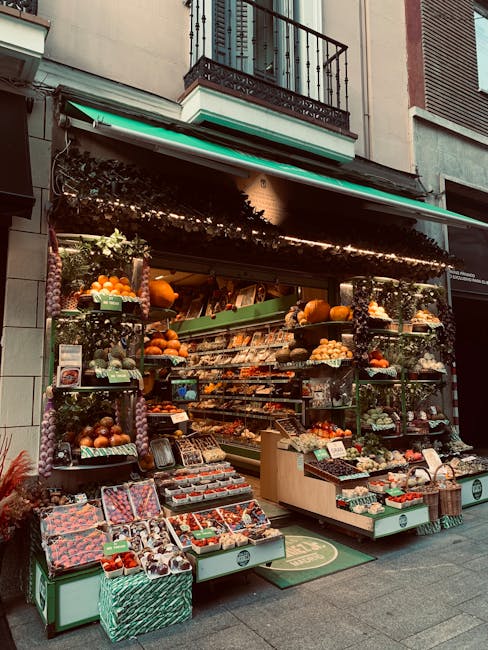
Beyond specialist grocers, weekly markets and neighborhood convenience stores remain essential sources for local products. The Cours Julien market (Place Cours Julien, 13006 Marseille) takes place Saturday mornings: local producers, market gardeners and artisans offer vegetables, cheeses and jams. Indicative prices: crate of heirloom tomatoes €4–€6 depending on season, 250 g portion of sheep’s cheese €5–€8. Hours: Saturday 07:00–13:00. Arrive early for the best finds and to speak directly with producers.
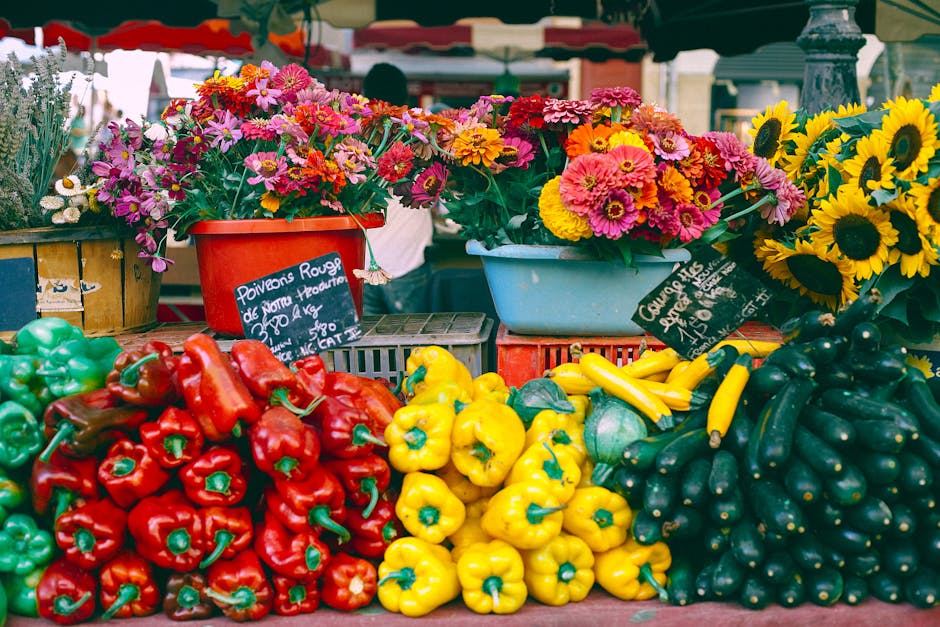
The Noailles market (Cours Julien / Rue d’Aubagne, 13001 Marseille) is livelier and more multicultural: spices, exotic fruits and also Provençal products. Here you can pick up a bunch of fresh basil for €1.50, local lemons €3–€4 per kilo, and small sachets of spice mixes €1.50–€3.00 depending on the blend. Hours: Tuesday to Sunday 07:00–13:00, closing in the late afternoon.
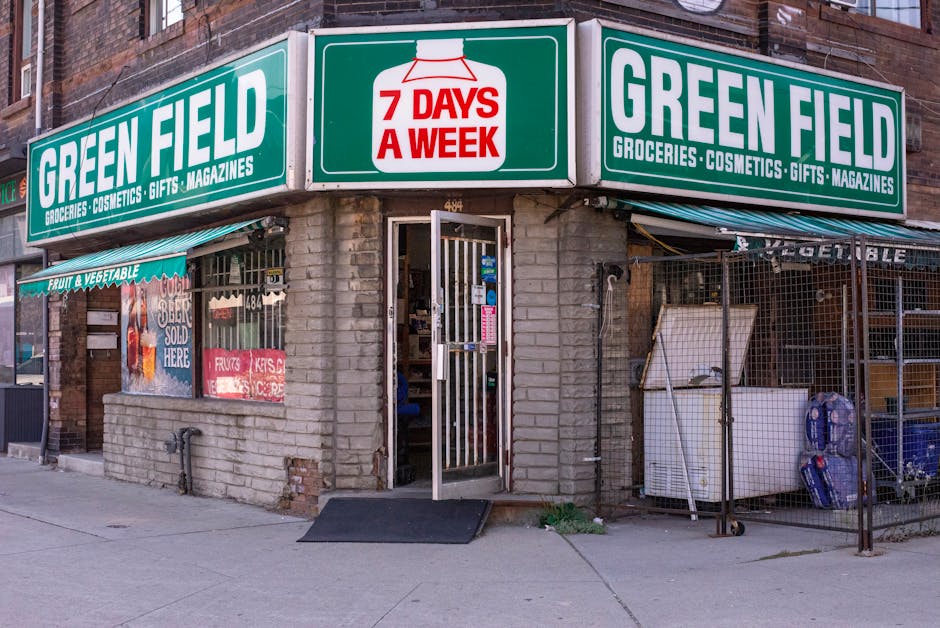
For daily shopping, convenience stores like “Épicerie du Coin” — 47 Boulevard de la Libération, 13001 Marseille — remain handy. Hours: every day 07:30–21:00 (closes 20:00 on Sundays). They stock local references: honey, jams, portioned cheeses and regional cans. Prices: artisanal bread €2.40, sheep milk yogurt €1.20, locally pressed orange juice €3.50 per 75 cl bottle. These stores are ideal for those who want a balance between convenience and local quality.
Local tips: use markets to complement your delicatessen purchases — for example, buy olive oil at a specialist and fresh vegetables at the market for optimal freshness. Markets are also the best places to track seasonal cycles: summer tomatoes, autumn figs, winter citrus. Convenience stores, meanwhile, have longer opening hours — often open late — and can be a lifesaver, but always check product origins if you want 100% local items.
Conclusion: choose your grocer based on needs and support local producers
Marseille offers a rich palette of neighborhood grocers, each with its specialty: bulk organic shops, fine conserveries, historic Panier grocers, bustling markets and handy convenience stores. Which address you pick depends on your priorities — zero‑waste and short supply chains, artisanal seafood, or authentic Marseille culinary discoveries. This guide aims to steer you by giving addresses, opening hours and price pointers so you can prepare visits and compare offers. Prices are indicative and may vary with season, product rarity and seller margins, but they provide useful benchmarks for budgeting.
Shopping at a neighborhood grocer in Marseille means supporting small producers, preserving artisanal skills and nurturing a precious social bond. A few key tips to choose well: always ask a product’s origin and the producer’s name, favor seasonal purchases, bring containers for bulk, and strike up a conversation with the vendor — often the best recommendations and recipes come from these exchanges. For gifts, prefer discovery boxes from conserveries or delicatessens: they highlight a curated selection of local products and are appreciated by visitors and locals alike.
Lastly, remember quality has a price: a garrigue honey, a locally milled olive oil or an aged cheese requires an investment that honors the producer’s work. In return, you gain superior taste, traceability and authenticity. To extend the experience, plan combined routes (for example, a morning at the Noailles market followed by a visit to Le Panier for canned goods and spices). Marseille is discovered through the palate: let your taste buds — and the generosity of neighborhood merchants — lead the way.