





Introduction: Getting Around Marseille — a practical, comprehensive guide
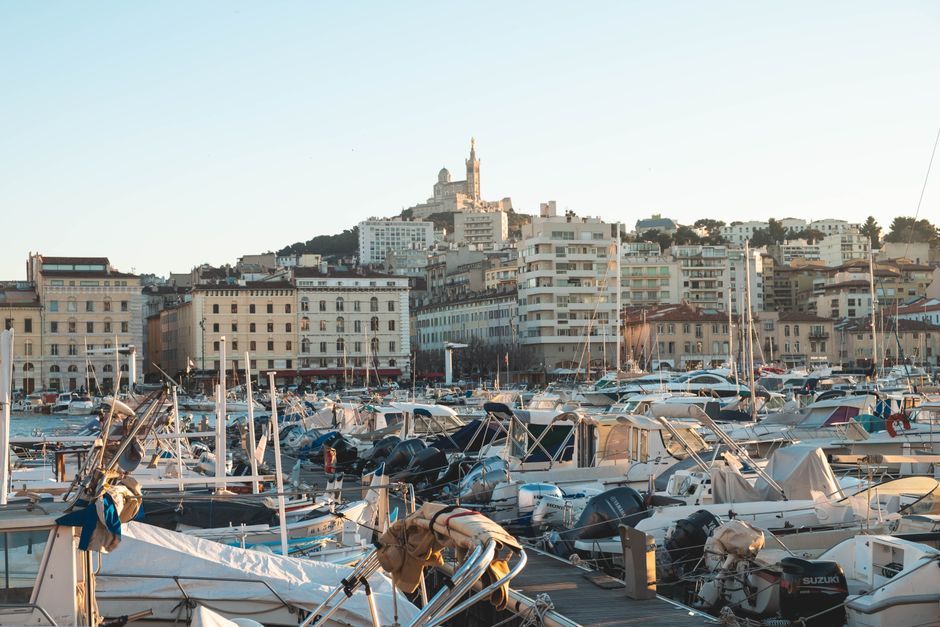
Marseille, the major port metropolis in southern France, is best discovered on foot and via its dense public transport network. From the hustle and bustle of the Vieux‑Port to the quieter calanques, and from the La Joliette business district to Saint‑Charles station, knowing your mobility options saves time, money and helps you enjoy the city like a local. This guide, written for curious travelers and temporary residents, breaks down Marseille’s main transport options: the metro, the RTM bus network and shuttles (sea shuttles and the airport shuttle). You’ll find exact addresses, typical schedules, usual fares, the key lines and practical tips to make each trip smoother.
The Marseille transport system is mainly operated by the Régie des Transports Métropolitains (RTM). It includes two metro lines, an extensive web of daytime and nighttime bus lines, trams and several maritime and road shuttles connecting tourist spots and the airport. Unlike cities where the metro fully covers the center, in Marseille buses and sea shuttles remain essential to reach highlights like the Château d’If, the Frioul islands or some coastal neighborhoods.
In the sections that follow you’ll find detailed descriptions of the main metro lines and stations worth knowing (Vieux‑Port — Hôtel de Ville, Castellane, Saint‑Charles), the useful bus lines to get to beaches, the calanques and the Panier quarter, plus an overview of maritime shuttles (Vieux‑Port ↔ Château d’If / Frioul) and the airport shuttle. Each section gives precise departure points, approximate schedules (time windows and frequency), typical fares in euros, and local tips — for example when to avoid rush hour, which ticket to buy, or how to combine modes of transport for a perfectly efficient day.
This guide also includes practical recommendations: where to buy tickets (station vending machines, RTM shops, apps), how to validate your ticket properly, options for travelers with luggage or reduced mobility, and tricks to make the most of Marseille’s heritage without wasting time on transit. Keep this document handy during your stay: it’s intended as a useful companion filled with addresses and visual reference points.
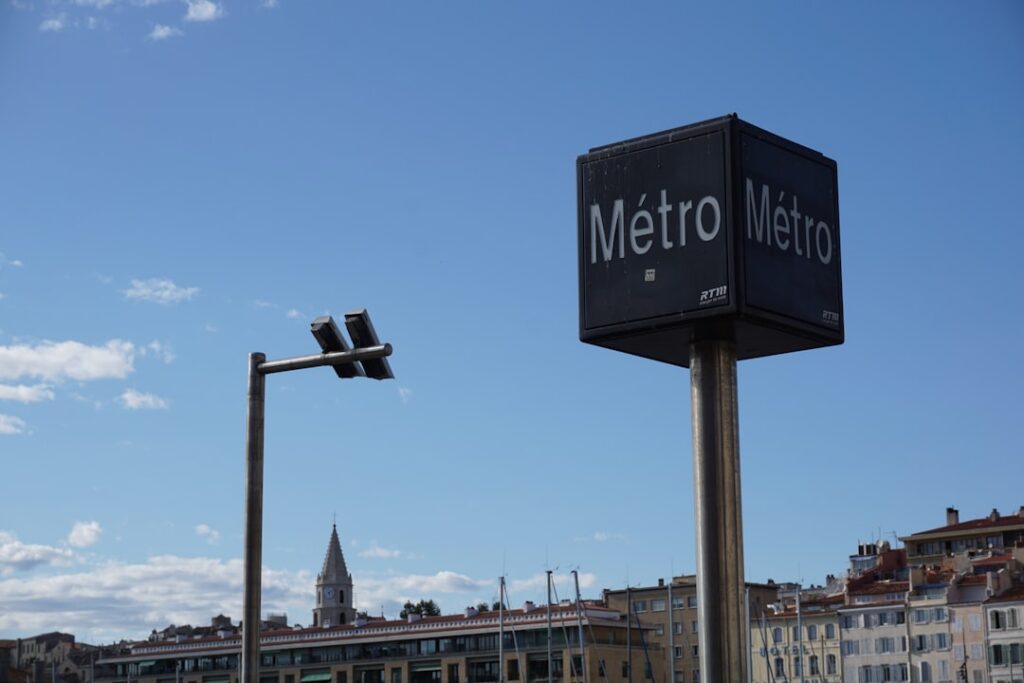
Marseille Metro: lines, key stations, schedules and fares
Marseille’s metro is straightforward and efficient: two numbered lines, M1 and M2, serving the city center and several popular neighborhoods. Though shorter than metros in some larger cities, these two lines link up with buses and trams to cover the metro area. Riders appreciate the high frequency at peak times and the speed for reaching Saint‑Charles station or the Vieux‑Port.
Overview of the lines
- Line M1 — serves areas including La Fourragère in the east and passes through Castellane (Place Castellane, 13006 Marseille) and Réformés‑Canebière. It’s handy for connecting residential districts to the center.
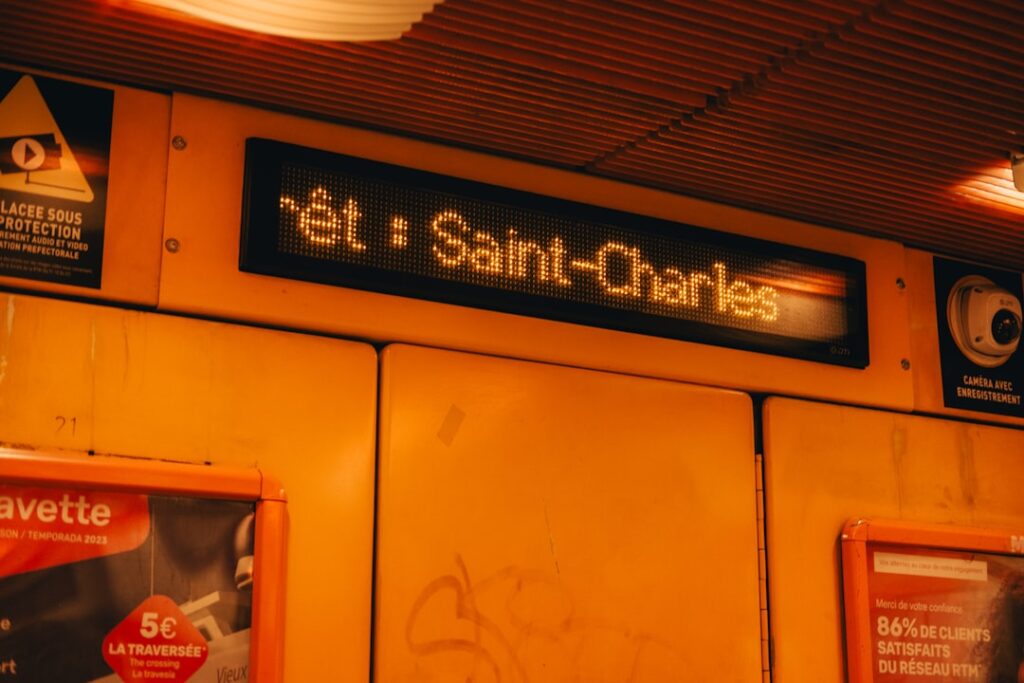
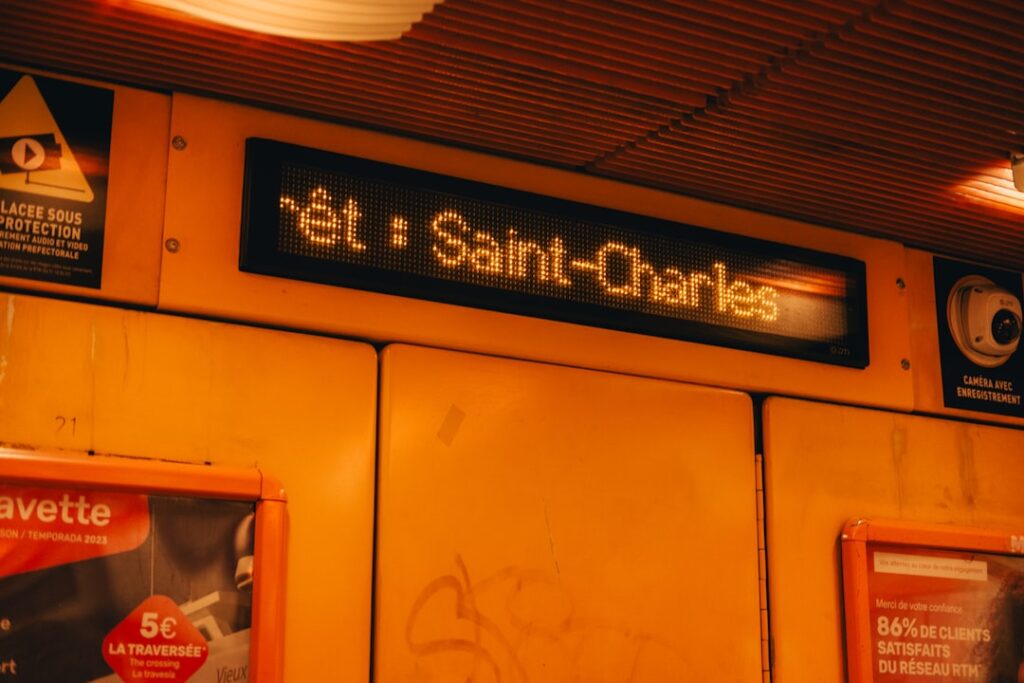
- Line M2 — crosses major hubs like Saint‑Charles (Gare Saint‑Charles, Place Charles‑de‑Gaulle, 13001 Marseille), Joliette and Vieux‑Port — Hôtel de Ville (Quai de l’Arenc / Quai des Belges, 13001 Marseille). This line is the most used by travelers arriving by train.
Stations to know:
- Gare Saint‑Charles — Place Charles‑de‑Gaulle, 13001 Marseille. A central hub for TER/express connections; lifts and platforms serving TGV trains.
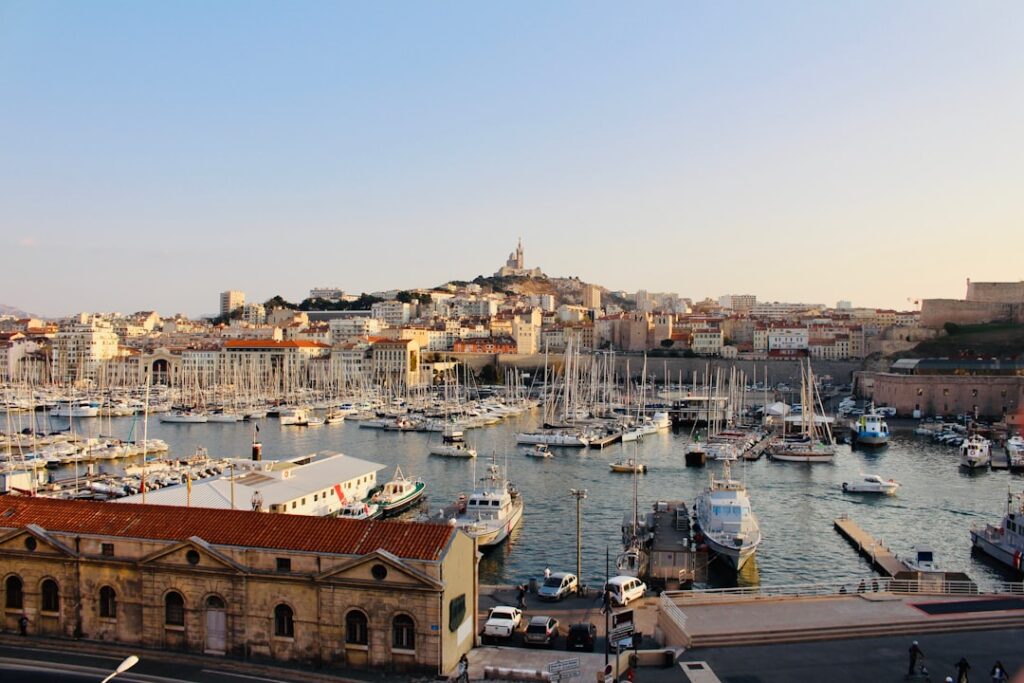
- Vieux‑Port — Hôtel de Ville — Quai des Belges, 13001 Marseille. Departure point for sea shuttles and the pedestrian heart of the Vieux‑Port.
- Castellane — Place Castellane, 13006 Marseille. A busy interchange for buses and trams, convenient for heading to the Prado beaches and nearby neighborhoods.
Schedules and frequency
Metros generally run from 05:00 to 00:30 on weekdays. At peak times (07:00–09:30 and 17:00–19:30) trains come every 3 to 6 minutes depending on the line; during off-peak hours expect 6 to 10 minutes. Night services are sometimes replaced by night buses (Lilou/Noctilien depending on the period); it’s a good idea to check RTM schedules on www.rtm.fr or via the official RTM app for updates (works, strikes, events).
Fares and buying tickets
Typical fares (indicative, in euros, valid in 2024):
- Single ticket (RTM urban zone): €1.70 (valid for 1 hour, including transfers between bus/metro within that time).
- Book of 10 tickets: €14.20 (a good saving for multiple trips).
- 24‑hour pass: €5.20 (unlimited RTM network travel for 24 hours from first validation).
- Weekly/monthly subscriptions: prices vary by zone and discounts; check the RTM shop at Gare Saint‑Charles, Place Charles‑de‑Gaulle, 13001 Marseille or the website.
Tickets can be bought at station vending machines, RTM ticket offices and via the RTM mobile app. Remember to validate your ticket when boarding or at the automatic gates: failure to validate can lead to fines during inspections.
RTM Bus Network: useful lines, routes to beaches and practical tips
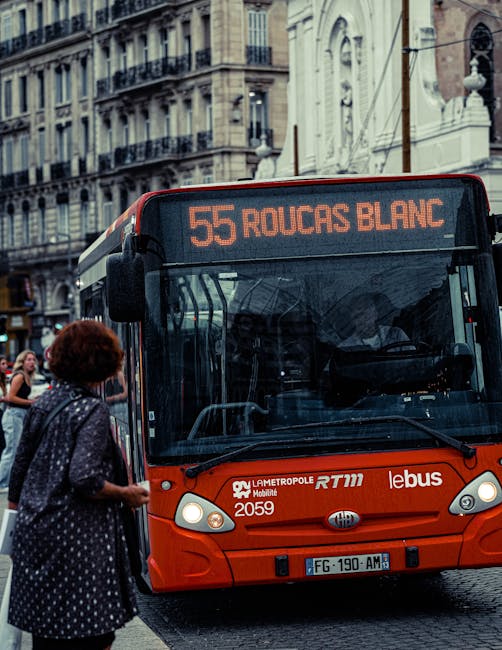
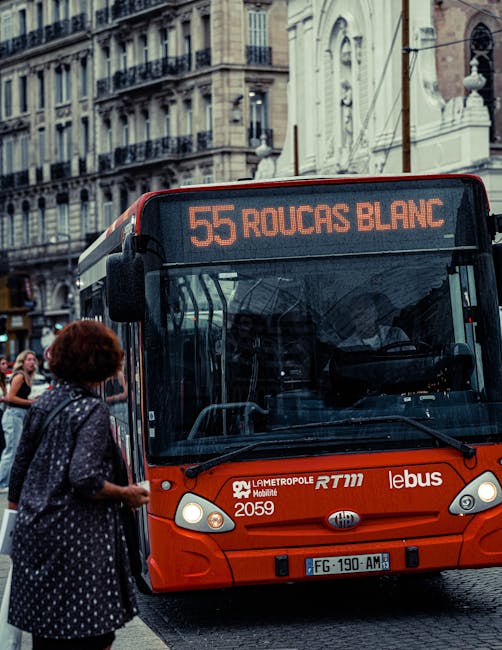
The RTM bus network complements the metro by serving peripheral neighborhoods, beaches and tourist sites not covered by the metro. With over a hundred lines, focus on the ones most useful for tourists or business visitors. Buses often converge at hubs like Castellane, La Timone, La Joliette and Saint‑Charles station.
Lines especially useful for visitors
- Bus 19 — links Gare Saint‑Charles (Place Charles‑de‑Gaulle, 13001 Marseille) to the Prado and Borély beaches (Parc Borély, Avenue des Phocéens, 13008 Marseille). Summer frequency: every 10–15 minutes (07:00–22:00).
- Bus 83 — serves the Panier district and Pointe Rouge (Plage de la Pointe Rouge, Boulevard Michelet, 13008 Marseille), useful for getting to island ferry terminals.
- Bus 60 — runs east–west across the city and provides useful connections with metro and tram.
General hours: most lines run from 05:00 to 00:30; some secondary lines reduce frequency in the evening. Sea-front routes ramp up during the tourist season (June–September). Exact timetables and route maps are available at the RTM headquarters: Siège RTM – 24 Boulevard de la Liberté, 13001 Marseille and online.
Fares and practical advice
RTM tickets are valid across metro/tram/bus within the same zone (see the metro section for fares). For frequent journeys, buy a book of tickets or a 24‑hour pass. Validate at the front of the bus on the yellow machine and keep your ticket during the trip in case of inspection. Some buses accept contactless card payments on board, but buying in advance is recommended to avoid issues.
Local tips:
- Avoid rush hours around 08:00 and 18:00 if you’re traveling with luggage; aim for 09:30–16:00 instead.
- To reach the calanques, combine metro + bus (e.g. metro to Castellane or Saint‑Charles then a dedicated bus toward Luminy/calanques depending on your destination); check for seasonal shuttles serving the calanques.
- In the evening, be aware of reduced frequencies and plan your connections to your accommodation.
Maritime shuttles and airport shuttle: quick access to the islands and Marseille‑Provence
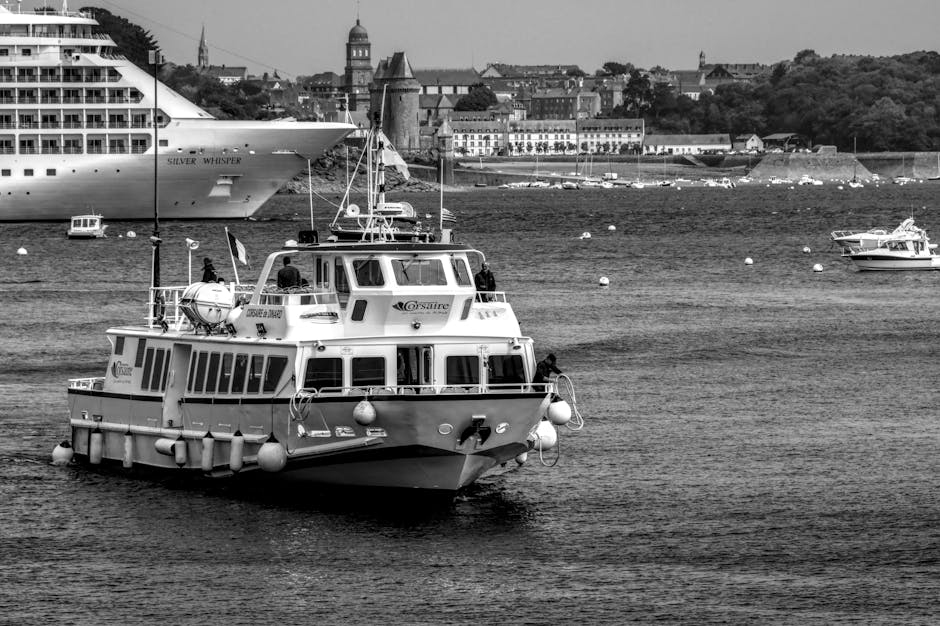
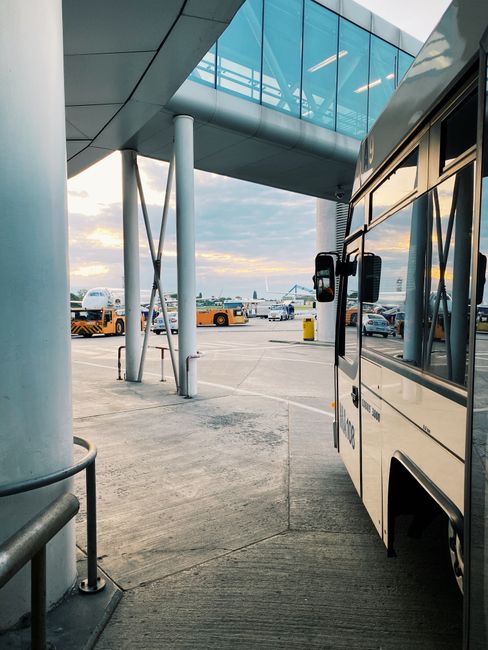
Maritime shuttles in Marseille offer a different side of urban travel: they’re both a practical transport option and a tourist experience. Two main destinations from the Vieux‑Port are the Frioul islands (Pomègues and Ratonneau) and the famous Château d’If. Meanwhile, the airport shuttle (coach) connects Marseille‑Provence airport directly with Gare Saint‑Charles.
Sea shuttles: Château d’If and Frioul
Departure point: Quai des Belges, Vieux‑Port, 13001 Marseille (near the tourist office and the boarding pontoons).
Operators: several companies run regular crossings (check local offerings). Typical hours: roughly 09:00–18:00 with variable frequency (about every 30–60 minutes in high season, less frequent off-season).
Indicative fares (one‑way): Château d’If €6.50; Frioul Islands €7.50 (prices vary by operator and season). Tickets are sold at the Vieux‑Port ticket offices and online. Crossing time: 20–30 minutes depending on the destination.
Tips:
- Arrive 20–30 minutes before departure in high season to avoid long lines.
- Bring sun protection and water: return waits can be long on very busy days.
- Check the route sequence: some crossings to Frioul call at Ratonneau first then Pomègues.
Marseille‑Provence Airport Shuttle
Departure/arrival point (side varies by direction): Gare Routière Aéroport, Aéroport Marseille Provence, 13727 Marignane — main arrival at Gare Saint‑Charles, Place Charles‑de‑Gaulle, 13001 Marseille.
Hours: frequent service from 05:00 to 23:15 (every 20–30 minutes). Approximate travel time: 25–30 minutes depending on traffic.
Indicative fare: One‑way: €11.00 (one large piece of luggage included); fares are subject to change. Tickets are available at the airport ticket desk, from machines, on the official website or via the shuttle app.
Practical advice:
- If you arrive late at night, check the last departures and have a backup plan (official taxi or rideshare).
- For travelers connecting to TER/TGV trains at Saint‑Charles, the shuttle is the most economical and direct option.
- Schedules can be altered during busy events (conferences, sporting events); if possible, confirm 48 hours before your trip.
Local tips, safety and ways to optimize your trips
Getting around Marseille can be easy if you anticipate a few local specifics: the network is dense but sometimes disrupted (works, demonstrations, tourist peaks). Here are concrete tips to stay efficient and relaxed.
- Buy tickets in advance: a book of 10 tickets is economical if you plan multiple journeys over a day or a few days. Machines accept card payments; some services also allow smartphone validations.
- Prepare for summer heat: favor the metro and sea shuttles to avoid crowded seaside buses during the hottest hours.
- Safety: as in any big city, keep personal belongings close, especially at peak times in central stations (Saint‑Charles, Vieux‑Port). RTM agents and municipal police often patrol tourist areas.
- Accessibility: Saint‑Charles station and several major stops have lifts and facilities for people with reduced mobility, but some older stations may pose challenges; check accessibility on the RTM website before planning.
- Smart combos: for a sample day — take the metro to Vieux‑Port, catch a morning shuttle to Frioul/Château d’If, return for lunch in the Panier, take bus 19 in the afternoon to Prado beaches, then the airport shuttle for a late departure — this route minimizes time lost and maximizes what you see.
Finally, always keep a digital copy of your tickets and useful contact details: RTM Customer Service via www.rtm.fr, the main ticket office at Gare Saint‑Charles (Place Charles‑de‑Gaulle, 13001 Marseille) and the Marseille Tourist Office (Vieux‑Port, 1 Quai du Port, 13002 Marseille) for local information.
Conclusion: Use Marseille’s transport with confidence
Mastering the metro, the RTM bus network and the sea or airport shuttles changes your Marseille experience: you’ll go from careful visitor to confident traveler, able to quickly link Saint‑Charles, the Vieux‑Port, the Prado beaches and the Frioul islands. This guide aims to give you concrete reference points — exact addresses (Vieux‑Port Quai des Belges, Gare Saint‑Charles Place Charles‑de‑Gaulle, Aéroport Marseille Provence 13727 Marignane), typical schedules (metro 05:00–00:30; sea shuttles 09:00–18:00; airport shuttle 05:00–23:15) and practical fares in euros (single ticket €1.70, book €14.20, airport shuttle €11.00, sea crossings ~€6.50–7.50) — so you can plan your days with confidence.
Don’t forget a few golden rules: always validate your ticket, use a book of tickets or the 24‑hour pass if you’re taking multiple trips, check frequencies online in case of events, and time your outings to avoid heat and crowds. For targeted tourist trips (calanques, Frioul, Château d’If), book shuttles in advance and get to the Vieux‑Port early. Finally, for specific needs (accessibility, large luggage), contact RTM services or the Saint‑Charles ticket office.
With this information, Marseille becomes a city within easy reach by metro, bus and boat — a vibrant territory waiting to be explored. Safe travels and enjoy the Phocaean city to the fullest!