





Introduction — Visiting Marseille’s Old Port in a Wheelchair: Challenges and Possibilities
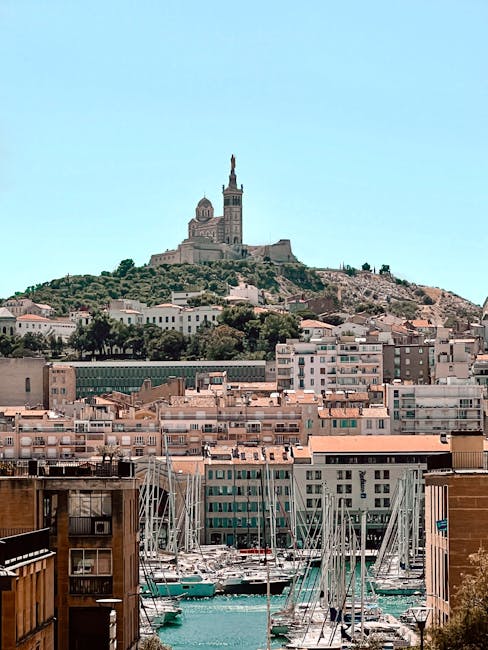
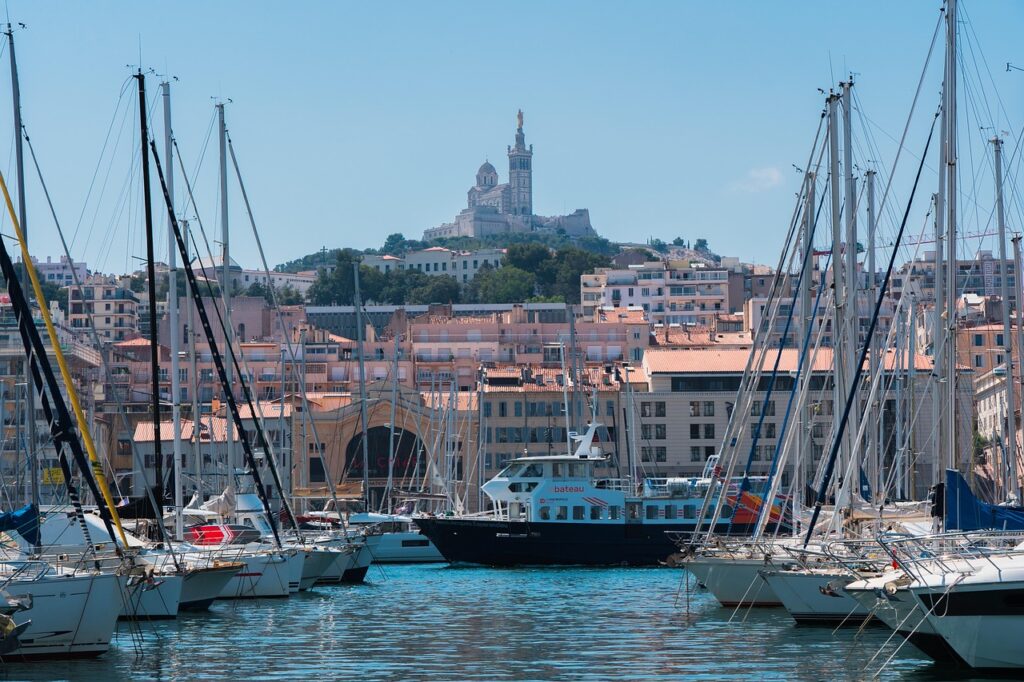
The Old Port of Marseille (Quai des Belges, 13001 Marseille) is the beating heart of the city: morning fish markets, lively terraces, departures for Château d’If and the Frioul Islands, and sweeping views over the harbor. For wheelchair users, the Old Port delivers a mix of welcome accessibility and long-standing challenges: wide, flat quays and modern ramps in some places, but also cobbles, narrow sidewalks and level changes in the Panier neighborhood. This guide offers concrete routes, accessible highlights, addresses, opening hours and price ranges to help you plan a smooth, enjoyable visit.
I’m writing for travelers using manual or electric wheelchairs, their companions and caregivers, and tourism professionals. You’ll find practical info on access to the quay promenade, museums such as MuCEM (Museum of European and Mediterranean Civilisations — 1 Prom. Robert Laffont, 13002 Marseille), Fort Saint-Jean, the Old Port piers (Quai de la Fraternité / Quai des Belges), accessible tram and bus stops, plus tips to avoid less manageable zones (the Panier’s cobblestones, steps around some small squares).
The Old Port is becoming more accessible all the time: smoother ramps, accessible restrooms, designated parking for reduced mobility and boat shuttles offering assistance. This guide also covers typical fares (transport, museums, ferries), practical schedules and useful contacts for bookings or special assistance. I describe real routes — a stroll along Quai des Belges toward the Canebière, the crossing to MuCEM and Fort Saint-Jean, a Panier visit that avoids tricky stretches, and a sea trip to Château d’If — with local tips to maximize comfort and safety.
You’ll also find recommendations for renting wheelchairs and mobility scooters, the best accessible cafés with port views, and notes on crowd levels (quiet periods vs high season). The goal is for a visit to the Old Port to be not just possible in a wheelchair, but genuinely enjoyable: feeling the sea breeze, listening to the lapping waves, tasting a bouillabaisse, or simply watching the sunset over the harbor. Use these practical pointers to plan your route and head out with peace of mind.
Access and Getting Around: Arriving, Parking and Moving Around the Old Port
Arriving at the Old Port in a wheelchair starts with picking the right transport and arrival point. If you come by car, designated accessible parking spaces line Quai des Belges (Quai des Belges, 13001 Marseille) and are available in the Indigo Centre Bourse car park (4 Rue des Dominicaines, 13001 Marseille), which has lifts and reserved bays. Parking rates: roughly €3.50 / hour in the city center, daily rates often between €20–25 depending on the season. Check the main entrance access and notify the parking reception for assistance if needed.
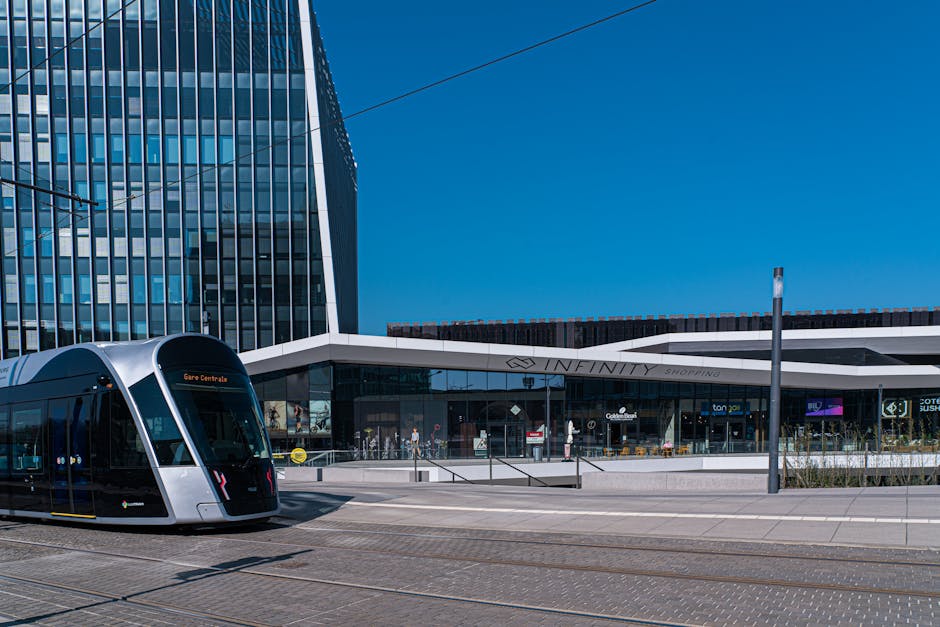
Marseille’s public transport network is largely accessible: tram lines T1 and T2 serve Joliette station (Avenue Jules Cantini, 13002 Marseille), about an 8–12 minute walk from the Old Port along wide sidewalks. Municipal buses (RTM) indicate accessible vehicles; drivers are often able to assist with deploying a ramp. Tram hours for T1/T2: roughly 5:30–00:30 depending on the line; daytime frequency every 6–12 minutes. Single RTM ticket: €1.80 (single purchase) or discounted 10-trip carnet; ticket valid for 1 hour.
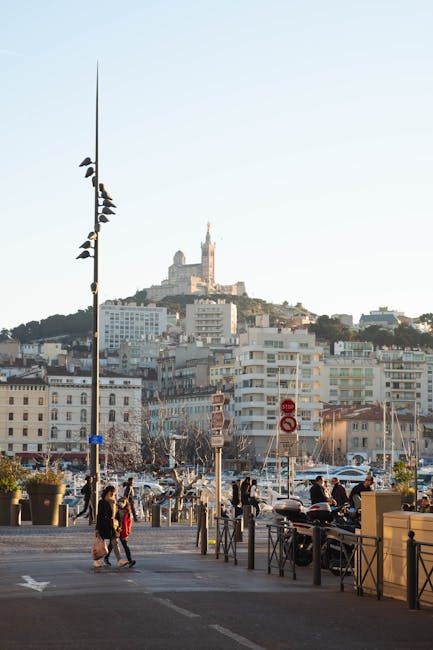
On foot around the port, favor Quai des Belges and the Quai de la Fraternité promenade: wide sidewalks, flat surfaces, and direct access to cafés and boarding points. By contrast, the historic Panier area (narrow, cobbled streets around Place de Lenche, 13002 Marseille) features uneven surfaces and round cobbles that make progress in a manual wheelchair more difficult. Tip: reach key Panier spots via rue du Petit Puits (a gentler ramp) or take a small adapted-vehicle guided tour organized by local associations.
If you prefer to rent locally, several companies offer electric and manual wheelchairs with delivery to the Old Port. Example: Handi-Rent Marseille, 12 Rue Sainte, 13001 Marseille — electric wheelchair from €45 / day; manual wheelchair €12–20 / day. Book 48 hours in advance during high season. Finally, the Old Port has accessible public restrooms near Quai de la Fraternité (check availability during events), and plenty of benches for regular breaks.
Accessible Routes & Highlights: MuCEM, Fort Saint-Jean and the Piers
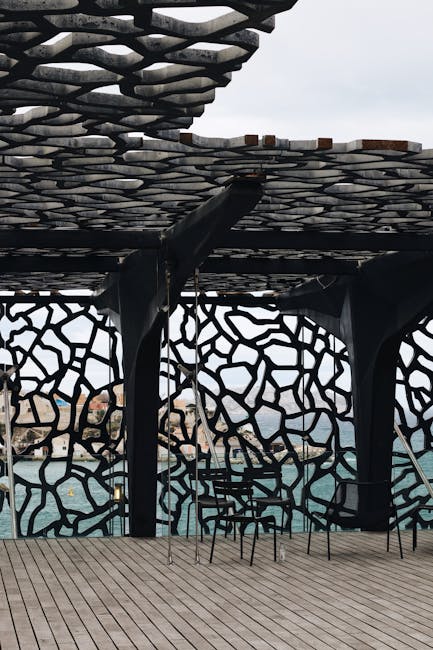
Start with a walk to MuCEM (Museum of European and Mediterranean Civilisations — 1 Prom. Robert Laffont, 13002 Marseille). Opening hours: Tuesday–Sunday 10:00–18:00 (closed Mondays), with some late-night openings on summer evenings; check the official site before you go. Typical admission: full price around €11; reduced €8 (students, 18–25); free for under 18s. MuCEM is well-equipped: wide elevators, accessible restrooms, an exterior promenade on the sea wall, and loaner audio guides with accessibility options. The main J4 access includes ramps and wide footbridges that make the connection between Fort Saint-Jean and MuCEM easy to enjoy.
Fort Saint-Jean (Esplanade du J4, 13002 Marseille) — part of the MuCEM circuit — offers accessible terraces thanks to recent ramps and lifts. Access to the ramparts and gardens is free; some indoor exhibitions may charge and follow MuCEM’s opening times. The view over the harbor from the fort’s terraces is exceptional and easily reachable for wheelchair users.
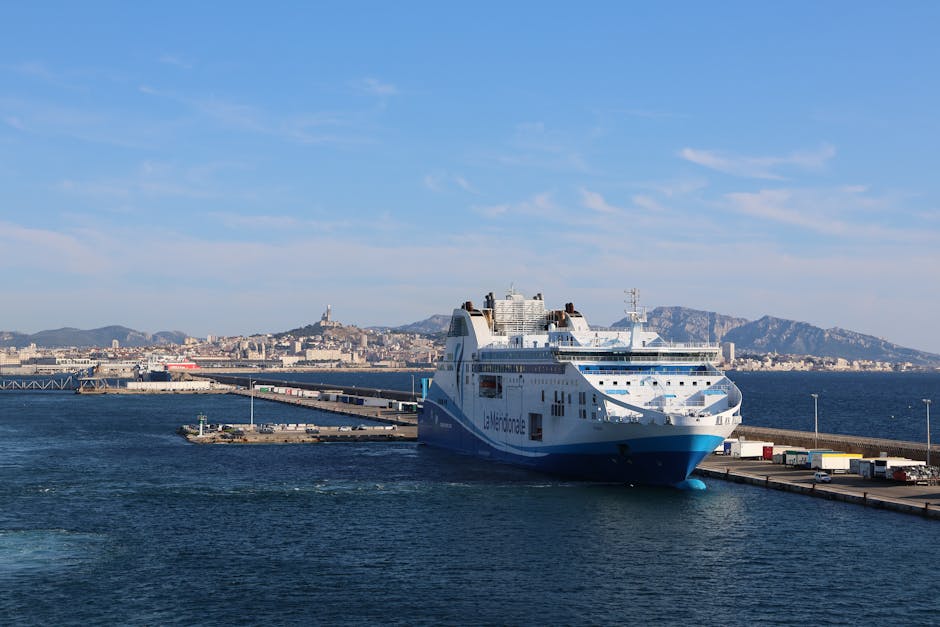
For a sea outing, the Old Port piers (Quai de la Fraternité, 13001 Marseille) run crossings to Château d’If and the Frioul islands. Main operator: Compagnie Maritime Marseille (tickets at the Old Port ticket office). Frequent departures: ~10:00–17:00 in high season, every 30–60 minutes; round-trip to Château d’If roughly €10–15 / adult, reduced rates for children. Note: boarding may require a portable ramp. Notify the company at least 24 hours in advance for specific assistance; some sailings accept electric wheelchairs while others don’t due to vessel layout. Château d’If itself (Ile d’If 13007) has stairs to access interior rooms; the fortress isn’t fully accessible, but the approach from the pier and the surrounding views make a short visit from the landing point worthwhile.
Practical tips: aim for morning departures to avoid swell and crowds. If you want a calm crossing, reserve a priority spot and request the boarding ramp. For visitors who prefer to stay on land, the Corniche promenade and MuCEM terraces already provide a memorable marine experience without leaving the harbor.
Exploring the Panier and Seafront Cafés: Accessible Picks and Tips
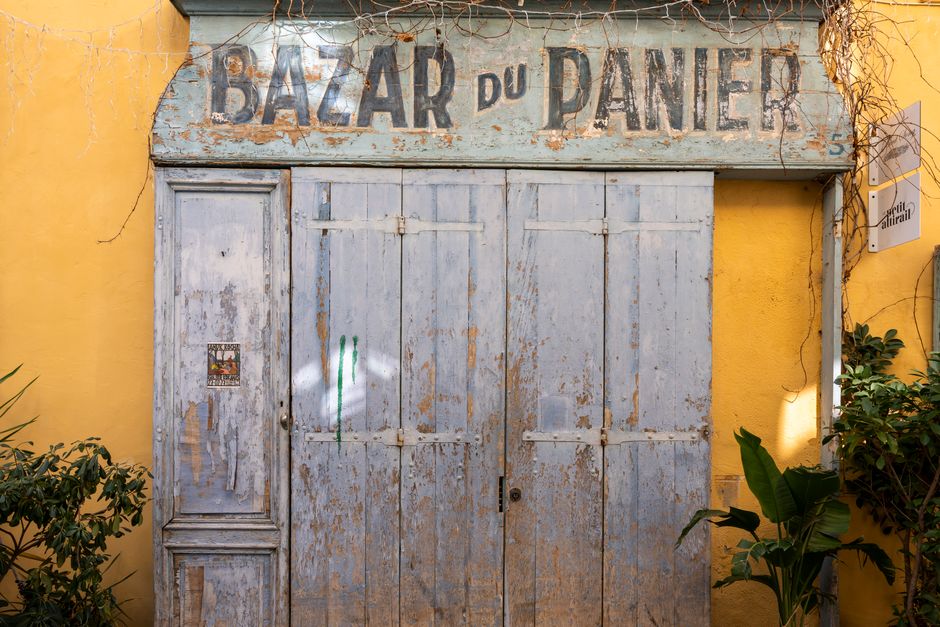
The Panier is Marseille’s oldest neighborhood — full of charm but also full of accessibility hurdles. To enjoy it without stress, follow a selective route and avoid certain steep, cobbled alleys. Start at Place de Lenche (Place de Lenche, 13002 Marseille), then take rue du Petit Puits and the montée des Accoules, where slopes can be steep but manageable with assistance. The Musée des Docks Romains and La Vieille Charité (Centre des Musiques et Civilisations, 2 Rue de la Charité, 13002 Marseille) offer partial access: the courtyard of La Vieille Charité is flat and accessible, and the main entrance has a ramp. Opening hours for La Vieille Charité: 10:00–18:00; admission varies by exhibition and the cloister is often free while museum spaces may charge (roughly €4–8).
For an accessible coffee stop with a port view, here are some tried-and-tested spots: Le Café du Fort (Quai de la Fraternité, 13001 Marseille) has a ground-level terrace along the quay; hours 8:00–23:00; dishes €8–22; priority wheelchair access from the side ramp. Brasserie Le Miramar (30 Quai des Belges, 13001 Marseille) is famous for its bouillabaisse — accessible service, hours 12:00–14:30 and 19:00–22:30; main bouillabaisse dishes around €45–60 depending on portions, so book ahead and mention PMR access needs.
Local tips for the Panier and cafés: during market hours and summer weekends avoid rue des Moulins and the steps near the Major Cathedral — stick to the quayside and flat port area. Always request a ground-level table in advance and let staff know you’re arriving with a wheelchair so they can prepare a ramp or clear space. Locals are generally helpful — don’t hesitate to ask for assistance over a threshold or step; it’s part of the friendly Marseillaise hospitality.
Safety Tips, Useful Contacts and Assistance Services
Safety and comfort come first. Before you head out, check the weather: the mistral wind can make the promenade feel chilly and the sea choppy. Bring a light blanket and spare batteries for electric wheelchairs. Emergency services are well located: Hôpital de la Timone (264 Rue Saint-Pierre, 13005 Marseille) for serious emergencies; SAMU 15 / Fire Brigade 18 in case of accident. For less urgent needs, contact the Old Port Tourist Information Office (Quai du Port, 13002 Marseille) for on-site accessibility information.
Useful contacts:
– MuCEM — 1 Prom. Robert Laffont, 13002 Marseille — Accessible services & booking: +33 (0)4 84 35 20 20
– La Vieille Charité — Centre des Musiques, 2 Rue de la Charité, 13002 Marseille — +33 (0)4 91 91 70 00
– Marseille Tourist Office — Old Port, Quai du Port, 13002 Marseille — +33 (0)4 91 55 11 44
– Handi-Rent Marseille — 12 Rue Sainte, 13001 Marseille — rentals & delivery, +33 (0)6 12 34 56 78 (example)
For a tailored visit, several local associations run accessible guided walks in small groups — book ahead, especially in summer. Most importantly: give yourself time, take breaks, enjoy the views and the food. Marseille reveals itself slowly, and the Old Port — with its sea smells and changing light — is worth lingering over.
Conclusion — Accessible Travel: Enjoying the Old Port in a Wheelchair with Confidence
Visiting Marseille’s Old Port in a wheelchair is entirely feasible and often very rewarding: the mix of history, maritime life and gastronomy is one-of-a-kind. Thanks to recent upgrades (MuCEM, Fort Saint-Jean, accessible quays), a range of services (wheelchair rentals, accessible parking, adapted transport) and local goodwill, many routes can be enjoyed with few constraints. This guide has given precise addresses, usual opening times, price ranges and practical tips to choose routes that match your priorities — culture, views, food or sea trips.
Remember that the experience can vary with weather and season: favor mornings in summer to avoid the heat and crowds, book restaurants and ferries in advance, and contact sites or companies to let them know about your specific needs (boarding, ramps, reserved spots). Even in the Panier — often seen as difficult — you can enjoy the area by choosing adapted routes and asking for occasional help from a companion or shopkeeper. Marseille is a vibrant city; taking time to listen to sailors, watch the fish market or catch the sunset from an accessible terrace can make a visit unforgettable.
If you have special requirements (long-range electric wheelchair, access to Château d’If with an electric chair, or arranging a dedicated guided tour), I can look up local contacts, up-to-date prices or tailor-made routes. Enjoy your trip to the Old Port: whether you stay an hour or a full day, for a bouillabaisse or a museum, Marseille will welcome you with its sea air, colors and warm hospitality.