




Introduction: Where to stay in Marseille — beach, culture or nightlife
Marseille is a city of many faces: an ancient port and a Mediterranean hub shaped by diverse influences. Where you choose to stay determines the tempo of your trip — waking up to sea views, getting lost in historic alleyways, or partying until dawn. This complete guide helps you decide based on three main moods: beach and fresh air, deep cultural immersion, or vibrant nightlife.
For each traveller profile we outline recommended neighborhoods, hotel and apartment suggestions, indicative prices, nearby transport links, must-see sites and practical tips. Whether you’re backpacking on a budget, traveling with family, on a romantic break or with a group of friends looking to party, you’ll find options to fit: charming seafront hotels, designer flats in Le Panier, youth hostels around Cours Julien or upscale residences along the Corniche. We also include typical opening times and price ranges for major attractions to make planning easier.
Picking the “beach” vibe puts you close to blue waters, sunrise walks and lifeguarded swims in summer. Choosing “culture” puts you in the heart of history, contemporary museums, markets and artist studios. And opting for “nightlife” means you’re steps away from lively bars, clubs and live music, with safe places to go out late.
Keep in mind the essentials: Marseille is lively and things change with the seasons. Hotel and restaurant prices spike in July-August, some venues close earlier off season, and the weather strongly shapes the atmosphere. We give usual opening hours and price brackets in euros based on common practice (seasonal variations apply). Each section includes concrete recommendations—full venue names, exact addresses, suggested prices and typical hours—so you can book and plan without surprises.
If you’d like a mix (beach + culture, or culture + nightlife), we suggest neighborhoods and day itineraries that easily combine several interests. Marseille is best discovered on foot, by ferry and through conversation with locals: follow our local tips to taste the real city, avoid tourist traps and save smartly. Have a great trip and welcome to the place where sea meets city and night dances with history.
1) Stay for the beach: where to sleep to enjoy the coastline
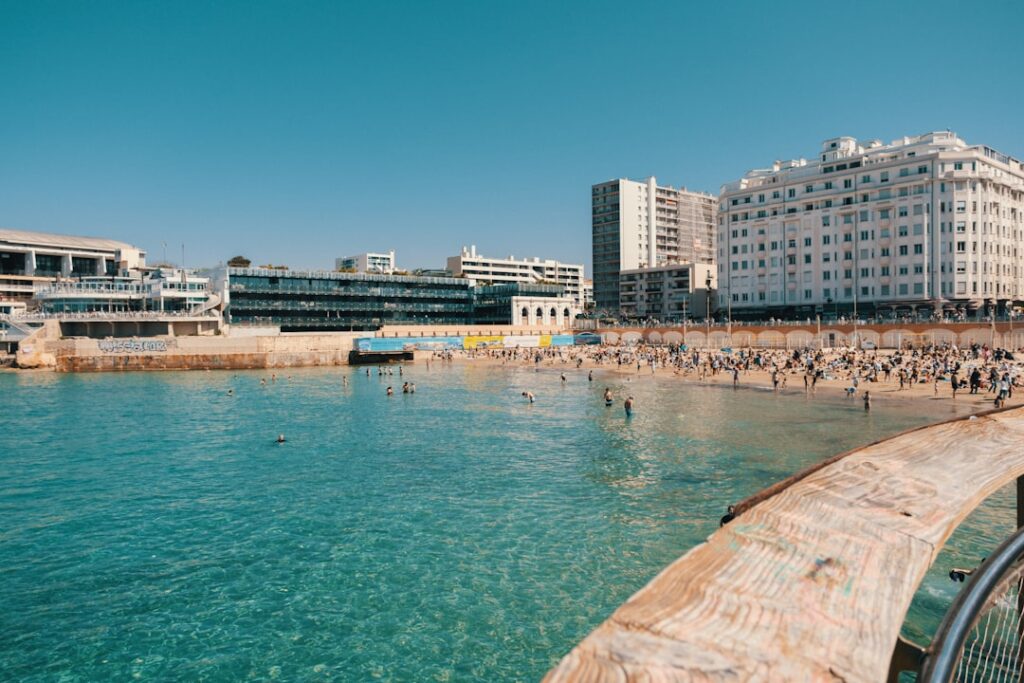
If your priority is the sea, waterfront strolls and swimming, favor the Prado, Corniche Kennedy, Vallon des Auffes or Prado-East neighbourhoods. These areas provide direct access to lifeguarded beaches, boats to the calanques and scenic promenades.
Plage du Prado and Parc Borély
The Prado area includes several long, well-equipped beaches, great for families and sports lovers. Plage du Prado (Avenue du Prado, 13008 Marseille) is a municipal beach with lifeguards in summer.
- Access: Avenue du Prado, 13008 Marseille (bus stop Prado – lifeguard post). Tram and buses depending on line 19, 22.
- Hours: lifeguard posts active June to September, typically 10:00–18:00. Beach access is 24/7 but swimming is unguarded off season.
- Prices: free access; parasol/chair rental around €8–€15 per day, water sports (stand-up paddle, kayak) €15–€40 depending on duration.
Places to stay nearby:
- Hôtel & Spa Novotel Marseille Vieux-Port, 36 Boulevard Charles Livon, 13007 Marseille — rooms from €120–€180 per night depending on season. Breakfast buffet around €18.
- Appart’Hôtel Odalys Le Dôme, 75 Boulevard Michelet, 13008 Marseille — one-bedroom apartments from €80–€110 per night. Close to Parc Borély (Botanical Garden).
Corniche Kennedy and Prado East beaches
The Corniche Kennedy (Avenue du Prado / Corniche Kennedy, 13007) offers spectacular views and hotels right on the water. It’s ideal for romantic stays and for reaching Plage du Prophète and small coves. Walk in the mornings to watch fishermen and joggers.
- Address to know: Corniche Kennedy, 13007 Marseille — accessible by car, bus no. 83 or line 19.
- Accommodation tip: Hôtel Le Petit Nice Passedat, 270 Corniche J.F. Kennedy, 13007 Marseille — Michelin-starred hotel, rooms from €280–€600, tasting menus €180–€320 per person (reservation required).
- Hours: beachfront restaurants often open 11:30–22:30 in summer, reduced hours off season.
Vallon des Auffes and intimate coves
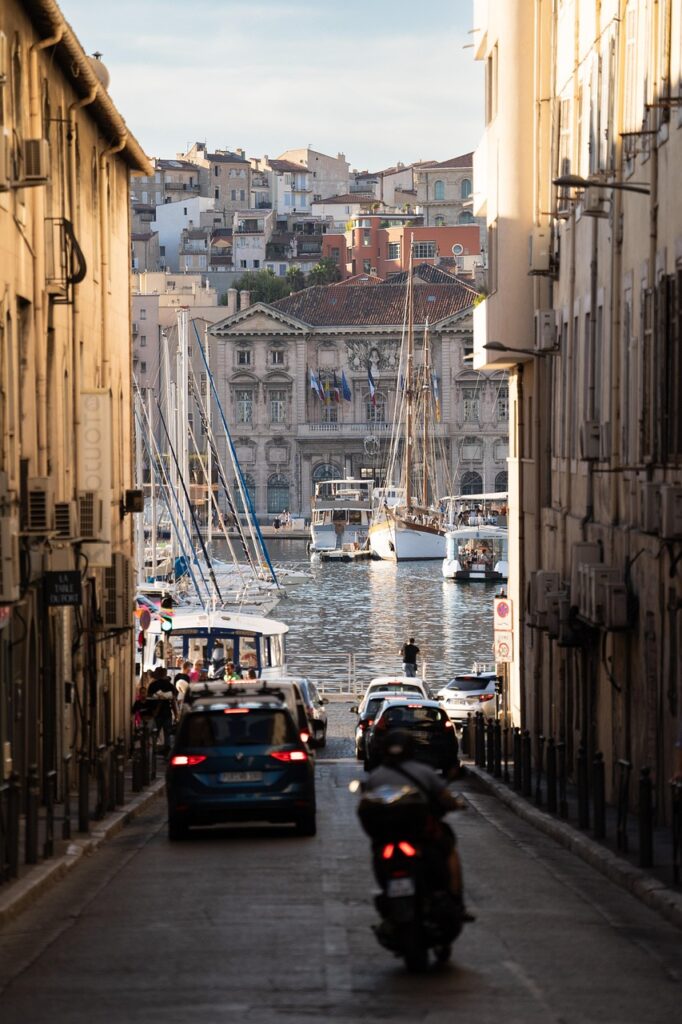
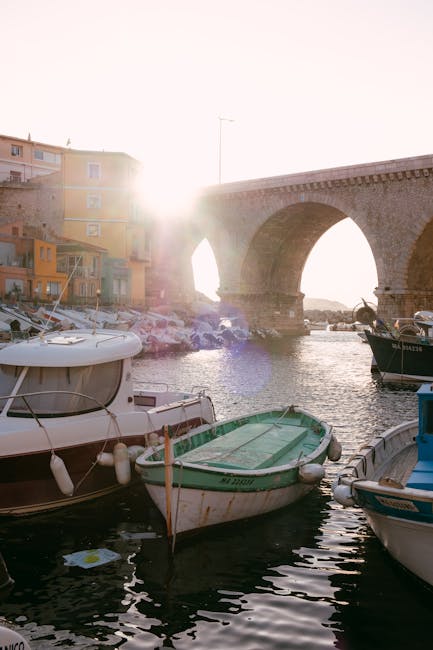
For a more picturesque vibe, Vallon des Auffes (Corniche J. F. Kennedy, 13007 Marseille) is a tiny traditional fishing port flanked by colorful houses and small beaches. It’s perfect for sunrise and sunset photos.
- Address: Vallon des Auffes, 13007 Marseille — limited parking, better reached by bus or taxi.
- Accommodation tip: choose seasonal rentals around Endoume / Vallon des Auffes — rates €70–€160 per night depending on season.
- Activities: swim in little coves, local fishing, seafood restaurants such as Chez Jeannette (local spot, reservation recommended, dishes €15–€35).
Practical tips for a beach stay
Bring water shoes for rocky coves, don’t leave belongings unattended on crowded beaches, and check water quality on the City website (swimming regulated by flags). Buses and trams link these areas to the Vieux-Port and Saint-Charles station: single tickets €1.90, book of 10 tickets around €15 (2024 indicative rates).
2) Stay for culture: museums, history and historic neighborhoods
If you’re coming for culture, history and museums, pick accommodation near the Vieux-Port, Le Panier, La Joliette (close to MUCEM) or Cours Julien (urban arts). These areas put most major museums, historic sites and local markets within walking distance.
The Vieux-Port and Le Panier — at the heart of history
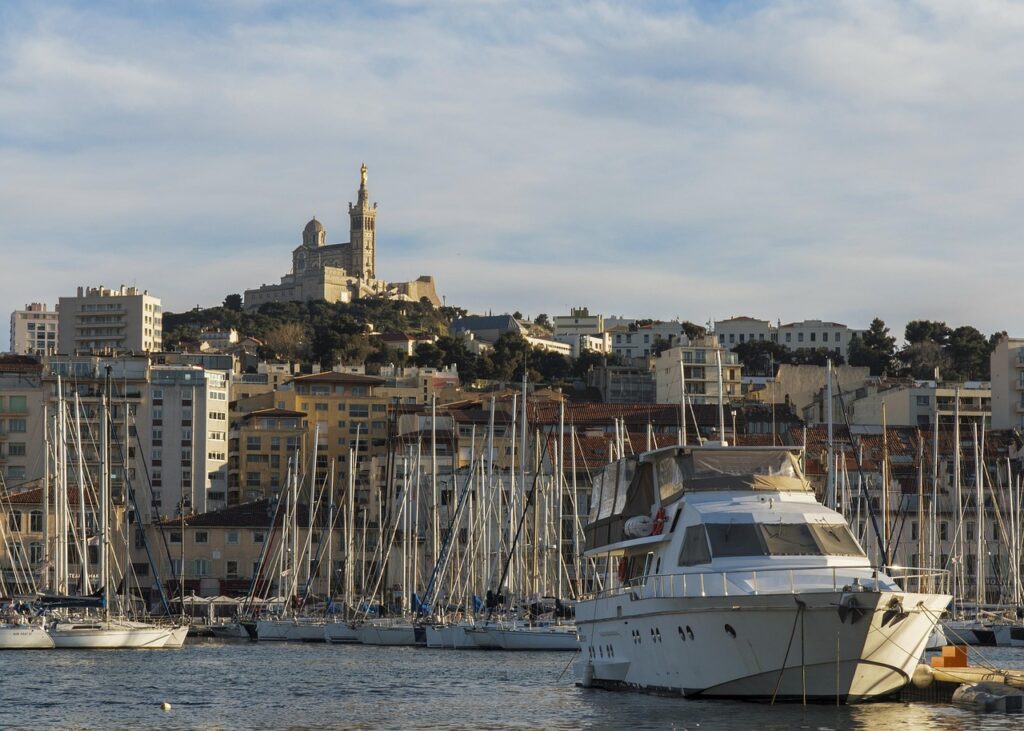
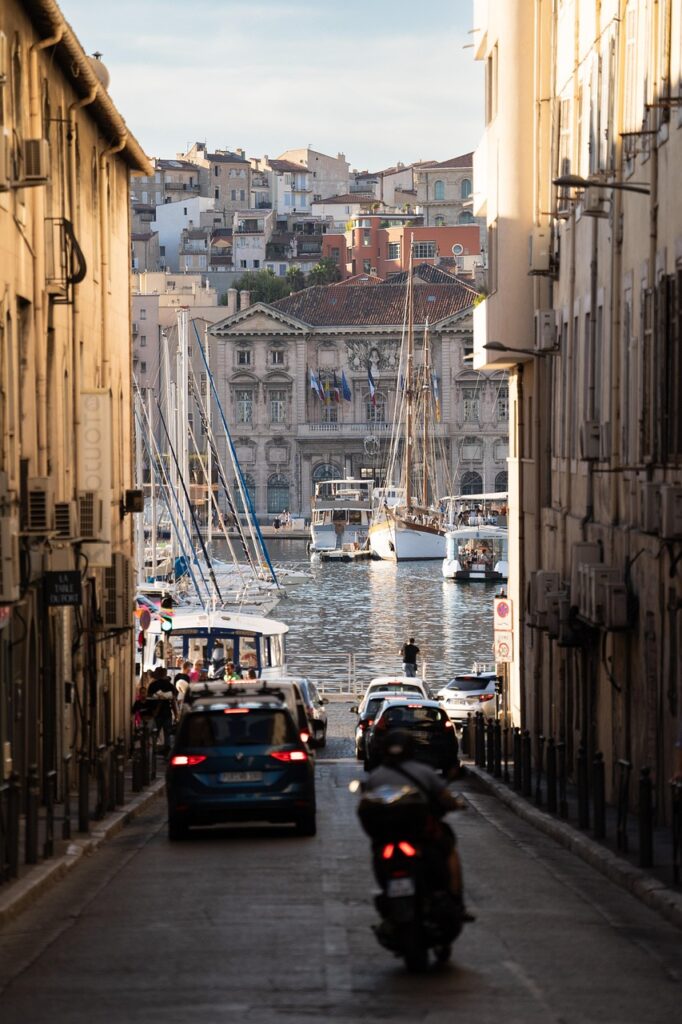
The Vieux-Port (Quai du Port, 13002 Marseille) is the starting point for ferries and guided tours. Just a short walk away, Le Panier (Rue du Panier, 13002) is the oldest neighborhood in the city: narrow lanes, artist studios, small squares and cozy cafés.
- Access: Quai du Port, 13002 Marseille — served by several bus lines and the metro (Vieux-Port – Hôtel de Ville, line 1).
- Places to visit: the Vieux-Port for strolls, the morning fish market, La Vieille Charité (2 Rue de la Charité, 13002 Marseille) — museum and cultural center, entry €6–€9 depending on exhibitions.
- Accommodation tip: Hôtel La Résidence du Vieux-Port, 2 Quai du Port, 13002 Marseille — rooms with port views €150–€300 per night. Breakfast €16.
MUCEM and Fort Saint-Jean — the Mediterranean on display
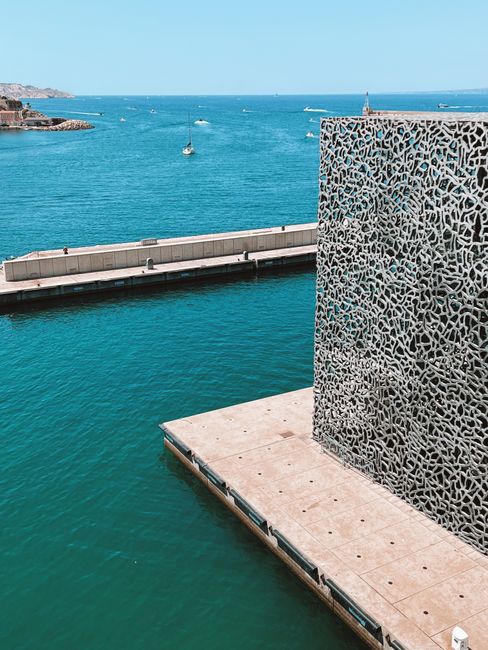
The MUCEM (Museum of European and Mediterranean Civilisations) is a must: 7 Prom. Robert Laffont, 13002 Marseille. Opened in 2013, it hosts permanent and temporary exhibitions on Mediterranean culture. Fort Saint-Jean next door offers breathtaking views over the harbor.
- MUCEM hours: generally 10:00–18:00, closed Tuesdays (hours may change with exhibitions).
- Prices: full adult ticket around €11, reduced €9, free for under-18s and some cultural Sundays (check mucem.org).
- Tip: book online in high season; the walk between MUCEM and Fort Saint-Jean is free and perfect for photos.
Additional museums and libraries
– Musée d’Histoire de Marseille, 2 Rue Henri-Barbusse, 13001 Marseille — covers the city’s ancient and modern history. Usual hours 10:00–18:00, ticket about €6–€9.
– Musée Cantini, 19 Rue Grignan, 13001 Marseille — modern and contemporary art collections, entry around €4–€6.
– La Friche la Belle de Mai, 41 Rue Jobin, 13003 Marseille — an alternative cultural space with music programming and exhibitions, opening hours vary (often 10:00–22:00 for events).
If you want to be close to the museums, look for apartments or hotels in the 1st and 2nd arrondissements so you can do most things on foot. Guesthouses and small boutique hotels in Le Panier or near MUCEM are perfect for an in-depth cultural stay.
3) Stay for the nightlife: bars, clubs and nights that go on till dawn
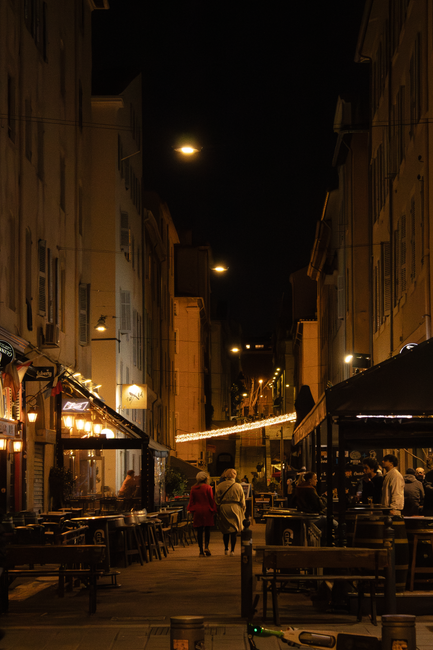
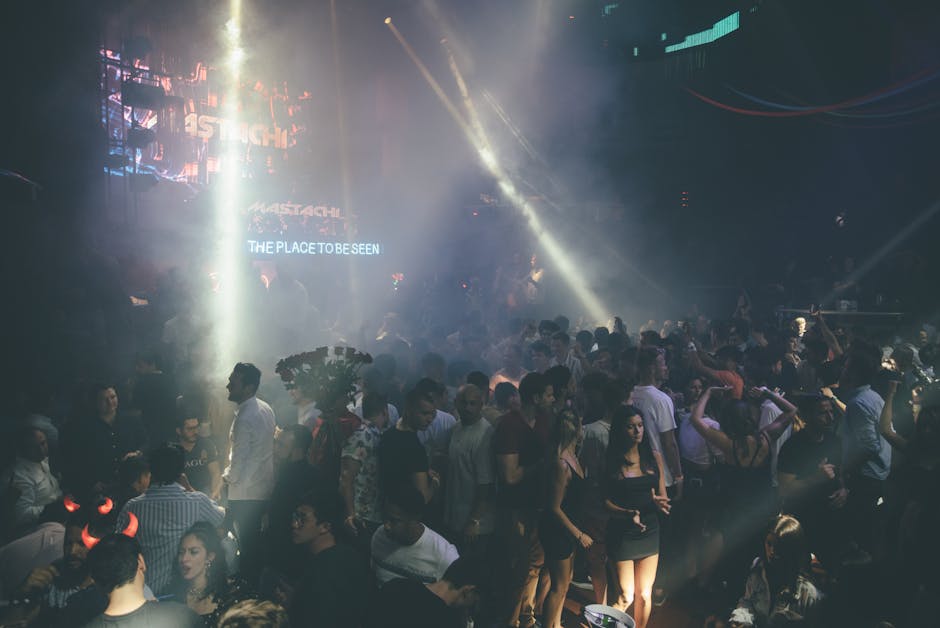
Marseille’s nightlife is rich and eclectic: from bohemian bars in Cours Julien, pubs and clubs around Cours Julien / Noailles, to large clubs and rooftops near La Joliette and the Vieux-Port. If you’re here to go out, choose a central base (1st, 6th, 7th or 8th arrondissements) or Cours Julien to be in the thick of it and avoid long late-night returns.
Cours Julien — alternative bars and live music
The Cours Julien area (intersection Cours Julien / Rue d’Aubagne, 13006 Marseille) is the heart of the alternative scene: concerts, craft beer bars, vegetarian restaurants and street art. Recommended bars:
- La Caravelle (10 Quai du Port, 13002 Marseille) — an iconic Vieux-Port bar with views; cocktails €8–€13, open 11:00–02:00.
- Le Trolleybus (Cours Julien, 13006 Marseille) — bar/restaurant with regular concerts, tapas €6–€12, open 18:00–02:00.
- Le Petit Boui-Boui (Rue d’Aubagne) — friendly spot for local aperitifs, affordable drinks around €5–€8 each.
La Joliette and Les Docks — rooftops and clubs
The La Joliette area (1 Place de la Joliette, 13002 Marseille) has been modernized with chic rooftops and nightlife venues. Les Docks, the shopping and office complex, sometimes hosts parties and upscale bars.
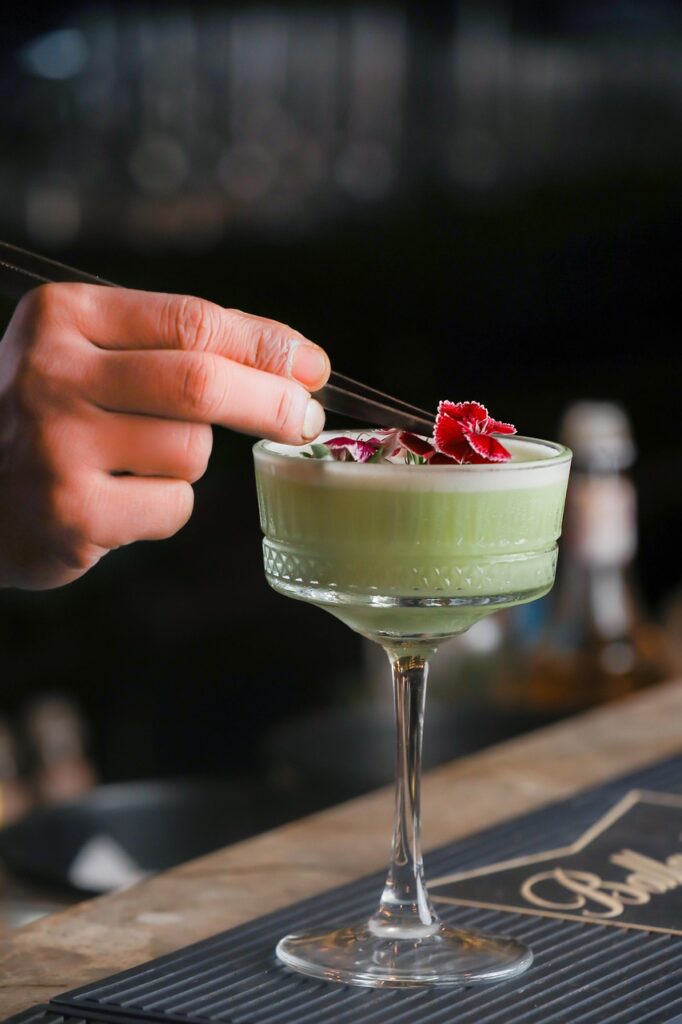
- R2 Rooftop (Les Docks Village, 10 Place de la Joliette, 13002 Marseille) — rooftop bar/events space with spectacular sunset views over the port, cocktails €10–€15, opening hours vary by season (often 18:00–02:00).
- Le Trolleybus — DJ nights (address as above), program varies, entry €5–€15 depending on the event.
Safety, getting around at night and local tips
Going out in Marseille is generally safe if you follow simple rules: prefer official taxis or ride-hailing apps late at night (use a VTC station or apps), avoid leaving valuables visible in parked cars, and check last metro times (lines 1 and 2 depending on station). Taxis from the Vieux-Port to most neighborhoods often cost between €8–€20 at night. Keep in mind some clubs require ID and enforce a smart dress code.
4) Practical neighborhoods and logistics: transport, budget and safety
To make the most of Marseille, knowing transport options, average budgets and neighborhood tips is essential. This section sums up practical info to help you plan: how to get around, where to shop and how to manage expenses.
Transport: metro, bus, tram and ferry
Marseille has a dense urban transport network.
- Metro: 2 main lines — Line 1 (La Fourragère → La Rose) and Line 2 (Bougainville → Sainte-Marguerite Dromel). Single tickets €1.90 (2024 indicative rate), validation required.
- Tram: serves key spots including La Joliette and the Prado area.
- Bus: complementary network — check lines by neighborhood (nos. 19, 21, 22 for the beaches, etc.).
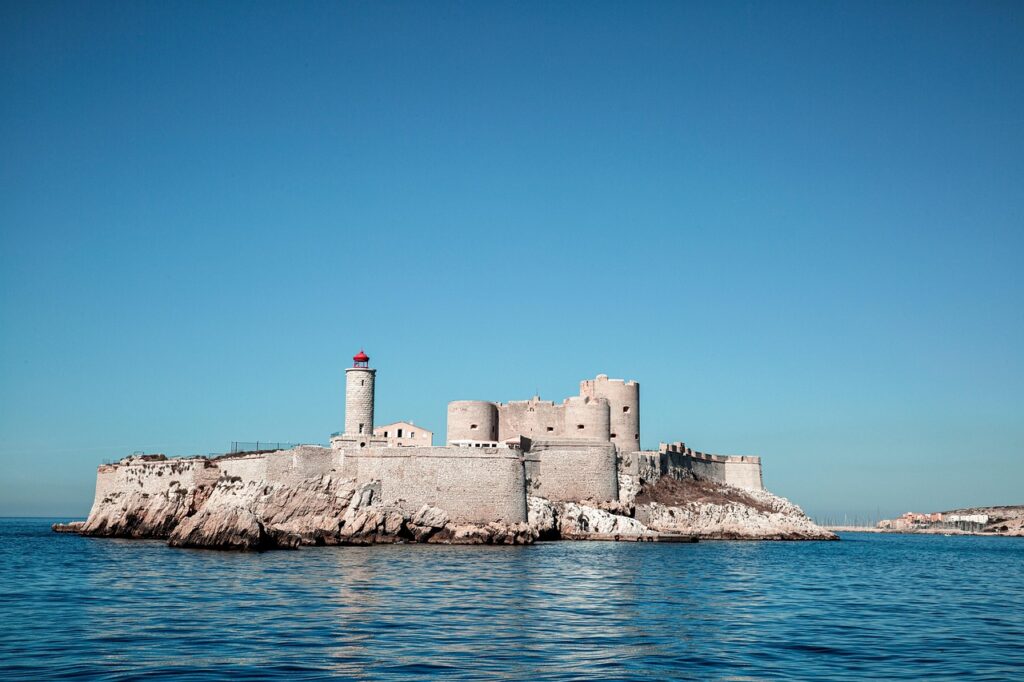
- Ferry / shuttles: boats to Château d’If and the calanques depart from the Vieux-Port — companies like « Frioul If Express » or « Compagnie Marseillaise de Navigation » (round-trip tickets to Château d’If around €9–€12; schedules vary, departures in the morning and afternoon, often every 30–60 minutes in high season).
Daily budget and typical prices
Here are usual ranges (indicative) to manage your budget:
- Accommodation: hostels €20–€40 (dorm bed), 2–3 star hotels €60–€140, 4–5 star hotels €160–€400 depending on location and season.
- Meals: simple bistro €12–€20 per person, mid-range restaurant €25–€45, fine dining €70–€200+ per person.
- Transport: single ticket €1.90, taxi base fare €2–€5 + €1.50–€2 / km (higher night rates).
Safety and neighborhood advice
Marseille is a large port city: some neighborhoods are very tourist-friendly and safe, others are more working-class and can be prone to tensions. Tips:
- Have a map or app to navigate (Google Maps, Citymapper).
- Avoid showing valuables on the street and always lock your vehicle.
- Ask your hotel reception for advice on safe night routes and recommended taxis.
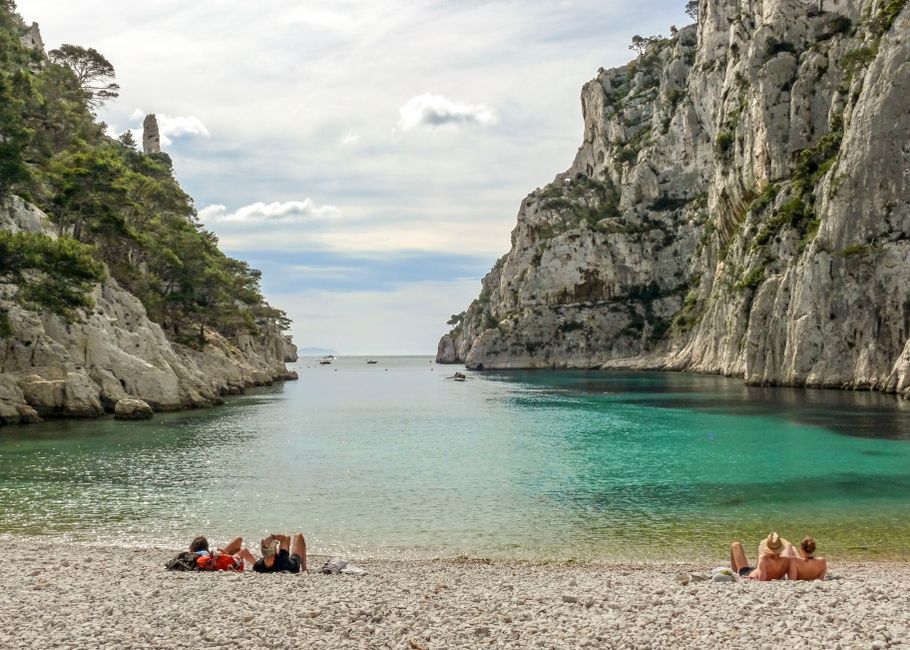
- Respect the sea and the calanques: swimming in nature reserves is regulated, and car access to some calanques is restricted in summer.
Conclusion: Choosing your accommodation in Marseille — final tips and mixed itineraries
In short, the best area to stay in Marseille depends entirely on your priorities. If your perfect trip means sand, sunbathing and seaside walks, head for Corniche Kennedy, the Prado or Vallon des Auffes. For a culture-focused trip with museums and history nearby, the Vieux-Port, Le Panier and La Joliette (MUCEM) are smart choices. And if you’re here for nightlife — bars, concerts and parties — Cours Julien, La Plaine and La Joliette will give you the best of the city after dark.
If you’re undecided, pick a central spot near the Vieux-Port or La Joliette: these locations are a great base for alternating between beach, museums and nights out. You can reach Plage du Prado by bus in 20–30 minutes, or hop on a boat from the Vieux-Port to the calanques and Château d’If. For a mixed stay, here’s a suggested 3-day itinerary:
- Day 1: settle in at the Vieux-Port, visit MUCEM (7 Prom. Robert Laffont), stroll around Fort Saint-Jean, dinner in Le Panier.
- Day 2: morning at Plage du Prado or Vallon des Auffes, afternoon at the history museum and a walk along the Corniche, evening in Cours Julien.
- Day 3: boat trip to Château d’If (departing from Vieux-Port, tickets €9–€12), explore nearby calanques (reservations required for some trips). Return for a final drink on a rooftop in La Joliette.
Final practical tips: book accommodation and certain activities (MUCEM, popular restaurants, boat trips) in advance during high season. Download a Marseille transport app or carry tickets with you — machines and validators are common but can occasionally be out of order. Don’t hesitate to ask hotel staff and locals for tips: Marseillais are often proud of their city and happy to share favourite spots (pétanque grounds, bakeries, lesser-known wild beaches).
Marseille is a city of contrasts where every neighborhood has its own soul. Renting a place here is choosing a tempo — the rhythm of waves and sun, of lanes full of history, or of nights pulsing with world music. Whatever you pick, the city will surprise you — smell the sea, listen to local stories and take your time wandering: that’s where the best memories are usually made.