





Introduction — Where to stay in Marseille for your first visit: Old Port or La Joliette?
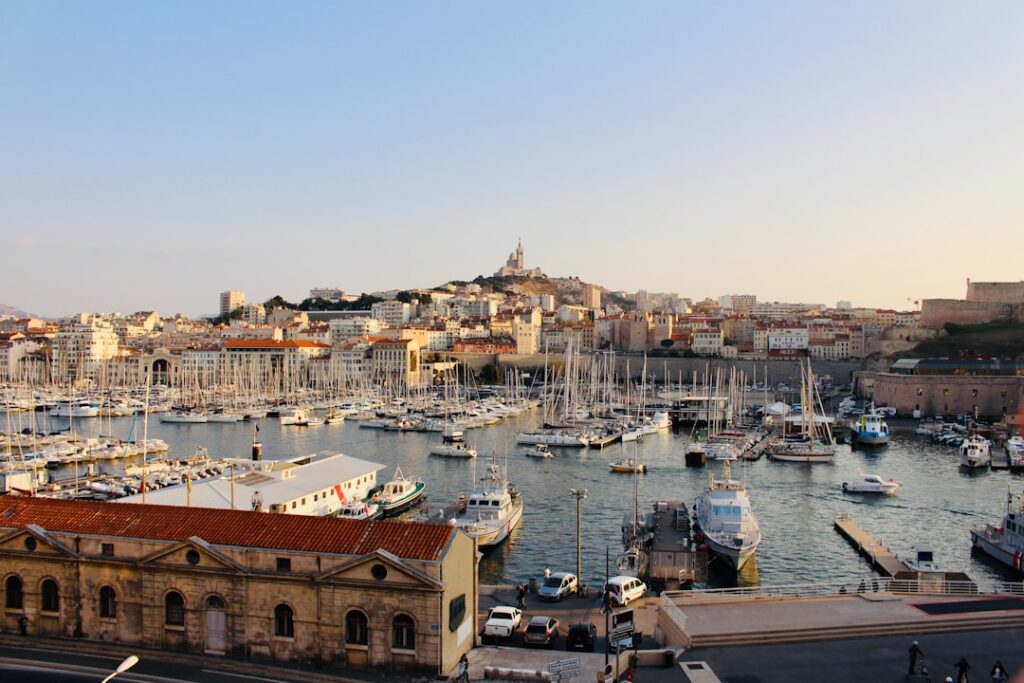
Marseille is a city of contrasts: an ancient harbor, rolling hills, lively working-class neighborhoods and rapidly developing new districts. If it’s your first time in Marseille, picking the right neighborhood for your base can shape your whole trip. Two names keep popping up when locals and guides make recommendations: the Old Port (Le Vieux‑Port de Marseille) and La Joliette (the Euroméditerranée / Les Docks area). Each has clear pros and cons: the Old Port promises iconic views, tourist buzz and immediate access to historic attractions, while La Joliette offers newer accommodation options, a quieter night scene, modern shopping centers and faster connections to transit and the business district.
This practical guide, aimed at first‑time visitors, helps you compare those two options in detail: location, accommodation types, average prices, access to key sights (Mucem, Notre‑Dame de la Garde, the Calanques), restaurants, transport, perceived safety and local tips to get the most from your stay. You’ll find exact addresses, price ranges, typical opening hours and insider tricks to avoid common pitfalls. The goal is to let you choose the right base for your travel style: cultural tourist, business visitor, family with kids, romantic couple, or budget backpacker.
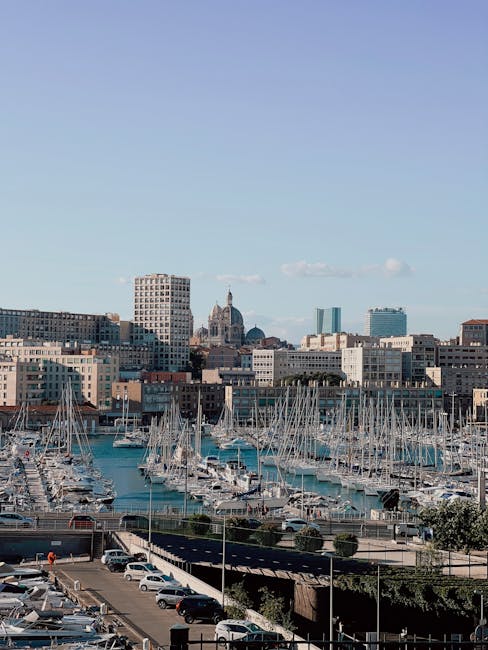
Setting up at the Old Port means living in the heart of Marseille: wake up to boats, a fish market, lively terraces and a short walk to spots like Le Panier or the Mucem. But being central can also mean higher hotel rates, noise and a steady stream of tourists in high season. By contrast, La Joliette, with its Docks Village, shopping center and new design hotels, is convenient for business trips and for anyone wanting a more modern, often quieter nightly environment. The neighborhood is also better connected to city motorways and the tramway, which makes getting to Marseille‑Provence Airport and Gare Saint‑Charles easier.
In the sections that follow we’ll cover everything point by point: where exactly to stay (hotel addresses and apartment types), price comparisons (rooms, short‑term rentals), accessibility, recommended restaurants and their addresses, sample itineraries for first days, nearby activities, opening hours for major sites, plus safety and everyday‑life tips. Visual markers 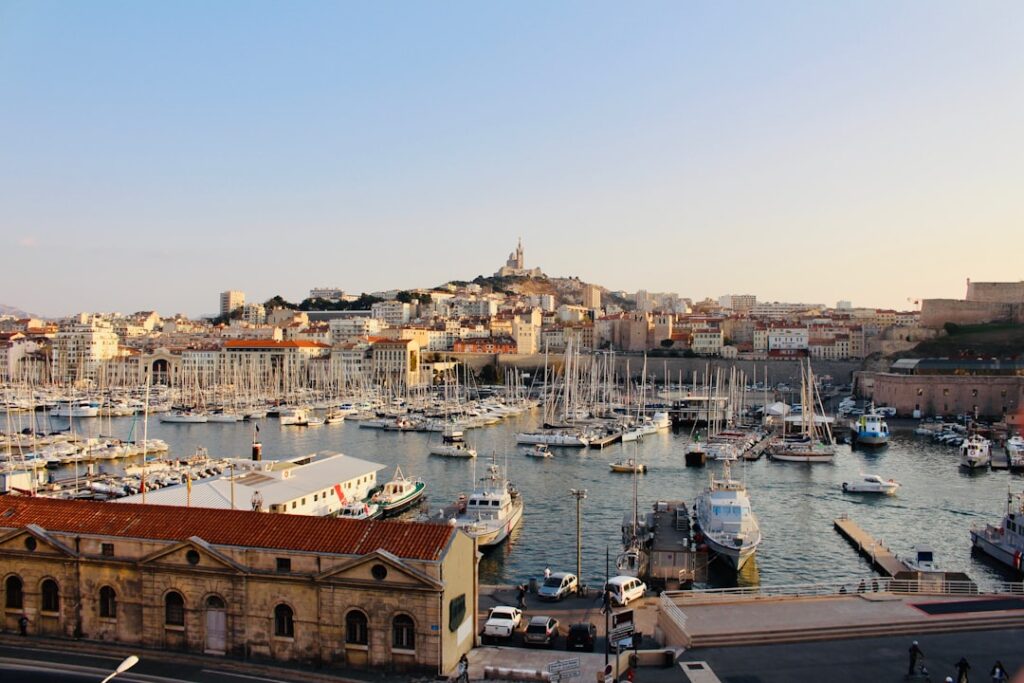 are placed throughout the article to help you picture the vibes and typical scenes of each neighborhood. Whether you’re planning a 48‑hour weekend or a weeklong stay, this guide will help you decide whether you prefer the maritime, historic soul of the Old Port or the contemporary comfort and convenience of La Joliette.
1) Accommodation and lodging types: comparing what’s on offer at the Old Port and La Joliette
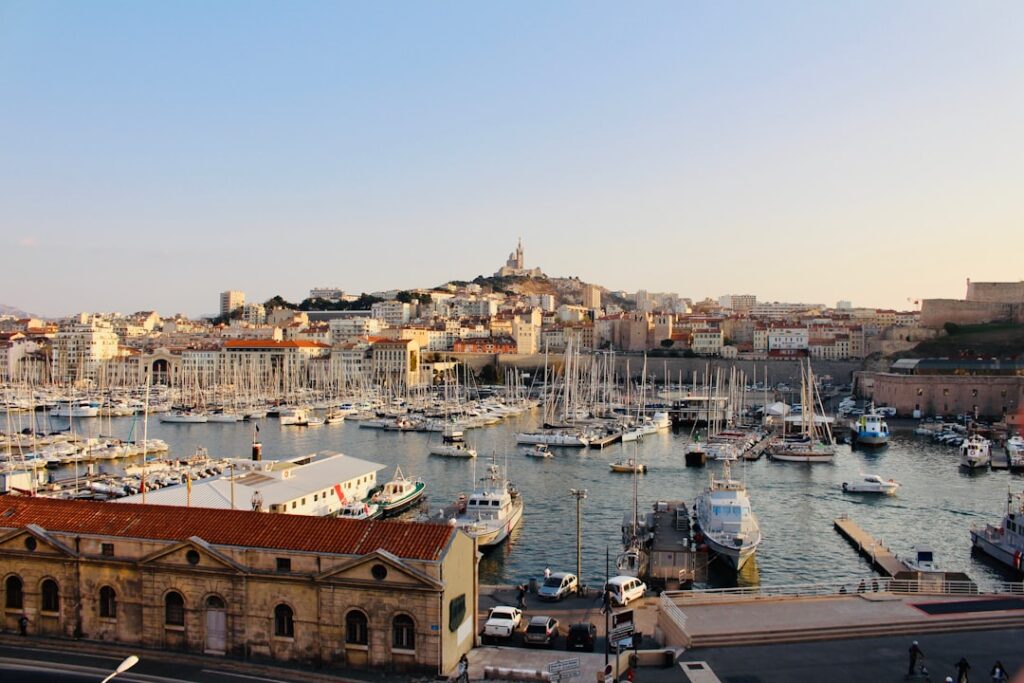
The Old Port concentrates much of Marseille’s historic and tourist accommodation: boutique hotels, upscale properties with harbor views, classic residences, plus hostels and furnished apartments. A few standout options:
- InterContinental Marseille – Hotel Dieu, 1 Place Daviel, 13002 Marseille — a grand 5‑star hotel in a converted hospital, from around €220/night in low season, rising to €300–500/night in high season. 24‑hour reception. Pool and spa. Book via the official site for the best rates.
- Hôtel La Résidence du Vieux Port, 2 Place Pierre Bertas, 13001 Marseille — a charming hotel with terraces overlooking the Old Port; rooms from about €160–250/night depending on season. Book early if you want a room with a view.
- Hostel / Youth hostel — “Auberge de Jeunesse Marseille” (various locations) offers dorm beds from €20–35/night, private rooms €60–90/night depending on location.
Choosing the Old Port means accepting sometimes compact rooms but benefiting from an unbeatable location for walking to central attractions: Le Panier, La Major cathedral, ferries to Château d’If and the Frioul islands. Prices tend to be above Marseille’s average thanks to tourist demand, especially in summer. For short leisure stays the added value is the view and the maritime atmosphere.
La Joliette offers a different mix: business hotels, modern aparthotels and tourist residences. It’s the Docks and office quarter of Euroméditerranée, so it suits business travelers and families looking for a quieter night scene and shops within easy reach. A few references:
- Les Docks Village / Les Terrasses du Port (shopping and accommodation around 10 Place de la Joliette, 13002 Marseille) — practical location, many furnished apartments available on platforms (Airbnb/Booking). Studios from about €60–90/night, 1‑bed apartments €100–150/night depending on season.
- Okko Hotels Marseille (boutique business hotel chain with several locations in the city) — rooms from €120–180/night. Business‑oriented services: co‑working, late breakfasts, 24‑hour reception.
- Euroméditerranée aparthotels and residences — furnished studios for daily rental from €55–80/night, ideal for longer stays or family trips.
Ultimately, your choice depends on the experience you want: the Old Port for that iconic Marseille feel, La Joliette for comfort, convenience and often better value for families and business travelers. Local tip: always check whether the room includes air conditioning (essential in summer), an elevator (important in older Old Port buildings) and reliable Wi‑Fi (crucial for remote work).
2) Access and transport: getting around from each neighborhood
Marseille’s public transport network is run by the RTM (Régie des Transports Métropolitains): buses, metro, tram and water shuttles. The Old Port and La Joliette are served differently, which affects how easy it is to reach the airport, the train station and the Calanques.
From the Old Port:
- Gare Saint‑Charles: a 15–25 minute walk depending on where you are on the quay, or one metro stop (line M1) from Vieux‑Port station — direction Saint‑Charles. The Vieux‑Port — Hôtel de Ville station is at 1 Place Gabriel Péri, 13002 Marseille.
- Marseille‑Provence Airport: airport shuttle (Bus 91) runs from Gare Saint‑Charles (about 25–30 minutes to the airport), taxis from the Old Port take roughly 25–35 minutes depending on traffic and cost around €35–50.
- Ferries: ferries to the Frioul islands and Château d’If depart from the Old Port quays (Quai du Port). Operators include Navettes Maritimes du Vieux‑Port / Frioul If Express. Fares roughly €6.50–9.50 one‑way to the Frioul (seasonal), €10–15 for combined round‑trip to Château d’If and Frioul — prices vary by season.
From La Joliette:
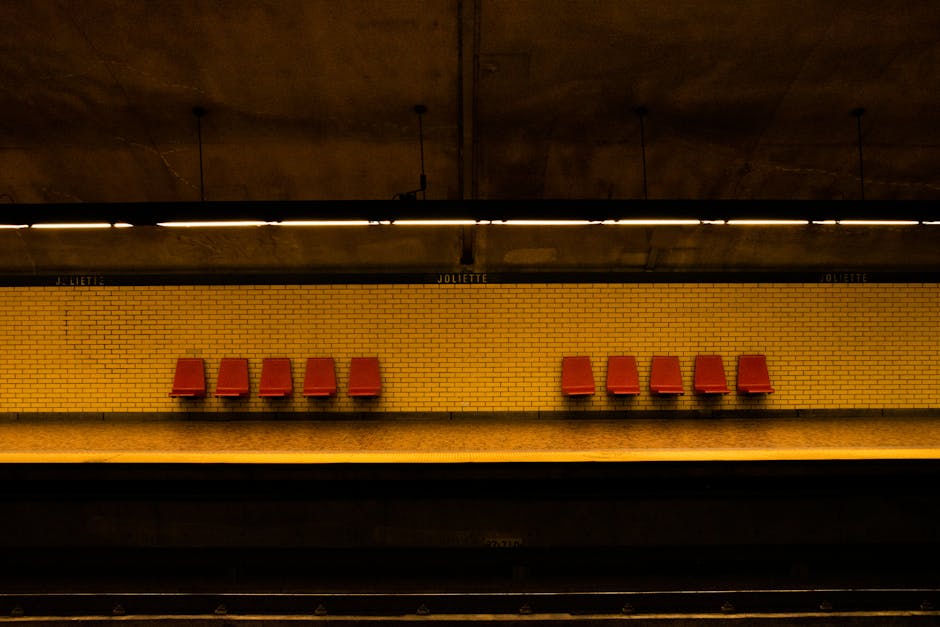
- Metro and tram: La Joliette is served by Joliette station (metro M2) and by tram lines (T2/T3), with easy connections to Gare Saint‑Charles and the city center. Travel time to Saint‑Charles: about 5 minutes by metro.
- Road access and taxis: La Joliette is close to exits for the A7 and A55, convenient for car rentals and trips to Aix‑en‑Provence or farther along the coast. Taxis and ride‑hailing services are available; airport journeys take about 25–30 minutes and cost €35–60 depending on company and time of day.
- Ferries and beach access: to reach the Old Port boat shuttles, take the metro (1–2 stops) or enjoy a 15–20 minute walk along the quay. The Docks and Terrasses du Port also have direct bus lines to some outlying spots.
Practical tips:
- RTM tickets: single bus/metro/tram ticket roughly €1.90 (indicative). Day tickets and multi‑ride passes (24h or 10‑trip carnet) are available; weekly passes exist for longer stays. Check the RTM website or station kiosks for up‑to‑date fares.
- Bike and scooter share: public bike and electric scooter stations are spread across the city — handy for short trips. You’ll need the local apps and possibly a deposit.
- Walking: the Old Port is best explored on foot; from La Joliette, a pleasant promenade along the Mediterranean toward the Terrasses du Port makes getting to the center enjoyable.
3) Daily life, restaurants and markets: where to eat, shop and go out
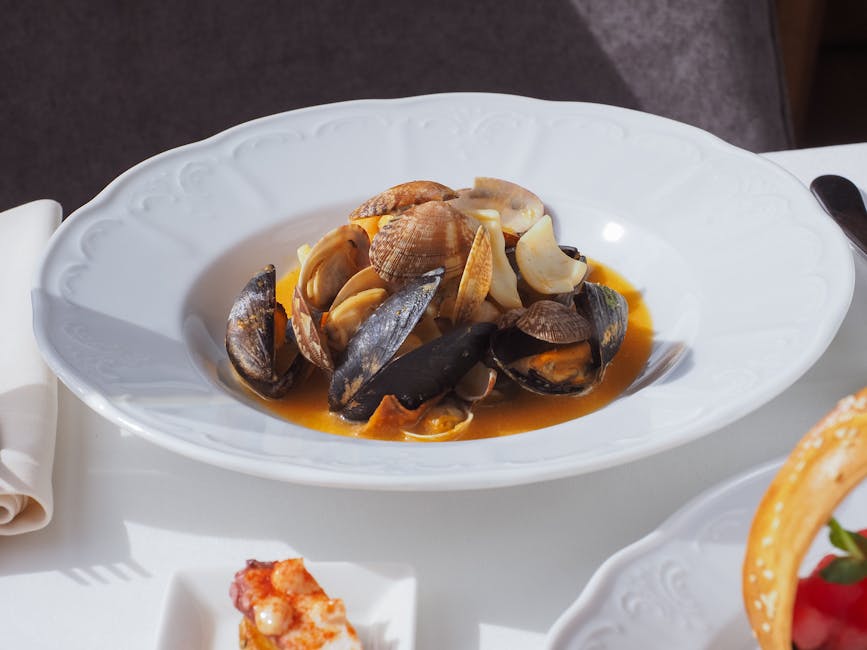
Whether you base yourself at the Old Port or La Joliette, Marseille offers a wide culinary spectrum, from traditional bouillabaisse to modern Mediterranean dining. Here are recommended spots and local markets for each area, with addresses and typical opening hours:
Around the Old Port:
- Le Miramar, 12 Quai du Port, 13002 Marseille — famous for its bouillabaisse. Hours: lunch 12:00–14:30, dinner 19:00–22:30. Prices: bouillabaisse €26–45/person depending on formula; mains €18–35.
- Chez Fonfon, 140 Rue du Vallon des Auffes, 13007 Marseille — a must for bouillabaisse and seafood, located in the picturesque Vallon des Auffes (10–15 minutes by taxi from the Old Port). Hours: 12:00–14:30, 19:00–22:30. Prices: mains €20–50.
- Old Port Fish Market — mornings (variable, often very early). Buy fresh fish and shellfish; haggle politely if you’re buying small quantities.
Around La Joliette:
- Les Docks Village, 10 Place de la Joliette, 13002 Marseille — many restaurants, cafés and shops; hours vary (shops usually 10:00–20:00, restaurants 11:30–23:00). Great for breakfasts and casual dinners.
- La Cantinetta (example trattorias and bistros around the Docks) — mains €12–25. Good for simple, modern Italian‑style meals.
- Joliette market (Marché des Capucins & surroundings) — food shops, bakeries and produce stands open from around 8:00; handy if you’re staying in a self‑catering apartment.
Nightlife and going out:
- Old Port: lively evening atmosphere, bars and cafés open late; pick a table on the quays for the full experience. Watch out for very touristy crowds in peak summer.
- La Joliette: calmer, more subdued nightlife centered on hotel bars and a business clientele; cultural events at the Docks and Parc Chanot happen seasonally.
Local tips:
- Try bouillabaisse at least once, but be aware that prices can climb quickly—ask what’s included before you order (which fish and sides).
- On a tight budget, favor neighborhood bistros and food trucks around Cours Julien or Marché des Capucins: dishes €8–15.
- For groceries and local specialties (Herbes de Provence, tapenade, anchoïade), the big food shops or market stalls near the Old Port and La Joliette have good selections.
4) Nearby attractions and activities: what to visit from each neighborhood
Your accommodation’s location determines travel times to major sights. Here’s an overview of typical routes and activities you can reach easily from the Old Port and from La Joliette, with addresses and suggested opening hours.
From the Old Port — short walks and quick visits:
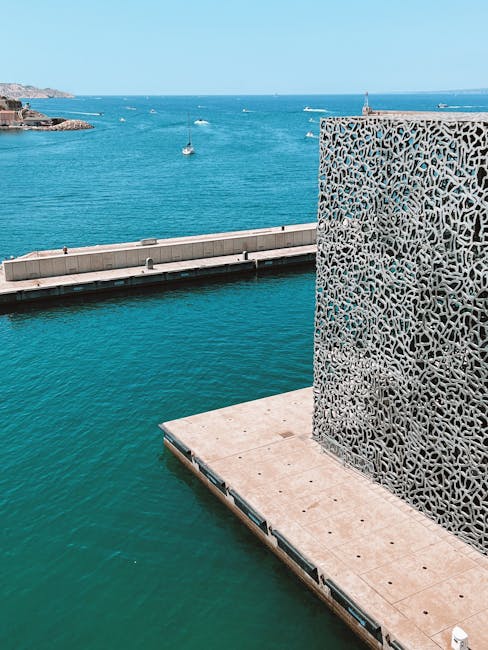
- Mucem — Museum of European and Mediterranean Civilisations, Esplanade J4, 7 Promenade Robert Laffont, 13002 Marseille. Typical hours: 10:00–18:00 (closed Tuesdays for permanent exhibitions; check temporary exhibition times). Admission: about €11–13 standard; reduced rates for students/seniors. Access to the esplanade and Fort Saint‑Jean outdoor areas is free.
- Le Panier — the historic quarter 5–10 minutes on foot from the Old Port; colorful alleys, artist studios and artisan shops. Free to wander; museum and shop hours vary.
- Notre‑Dame de la Garde, Rue Fort du Sanctuaire, 13281 Marseille Cedex 07. Basilica typically open 7:00–19:00 (seasonal hours). Access: hike up (30–45 min) or take bus 60 from the Old Port. Free entry; guided tours sometimes available for a fee.
- Ferry to Château d’If and the Frioul islands — depart from Quai du Port, 20–30 minute crossing. Check operator timetables. Allow 1–2 hours for a visit to Château d’If and a stroll on the islands.
From La Joliette — short trips in the area:
- Les Terrasses du Port, 9 Quai du Lazaret, 13002 Marseille — a modern seaside shopping center, usually open 10:00–20:00, with shops and dining across multiple levels. Rooftop terrace with sea views and underground parking.
- Mucem and Fort Saint‑Jean — about a 10–15 minute walk along the promenade from La Joliette; a great cultural day out without having to enter the busiest heart of the Old Port.
- Concerts, exhibitions and trade shows — Parc Chanot (Place Charles‑de‑Gaulle, 13008 Marseille) hosts fairs and corporate events; easy to reach from La Joliette by tram/bus or taxi.
Recommended 48‑hour itinerary — based at the Old Port:
- Day 1: Morning at the Mucem (Esplanade J4, 7 Prom. Robert Laffont), lunch at the Old Port, afternoon exploring Le Panier, evening on a terrace facing the harbor.
- Day 2: Hike or bus up to Notre‑Dame de la Garde, visit the Vallon des Auffes for seafood, ferry to the Frioul islands if time permits.
Recommended 48‑hour itinerary — based at La Joliette:
- Day 1: Morning shopping at Les Terrasses du Port (9 Quai du Lazaret), lunch at Les Docks Village, afternoon at the Mucem and Fort Saint‑Jean, evening stroll along the quay.
- Day 2: Metro to Gare Saint‑Charles and explore the historic center, then up to Notre‑Dame de la Garde; dinner in the city center or a relaxed evening back in the Docks neighborhood.
Conclusion — Which neighborhood should you choose for your first stay in Marseille?
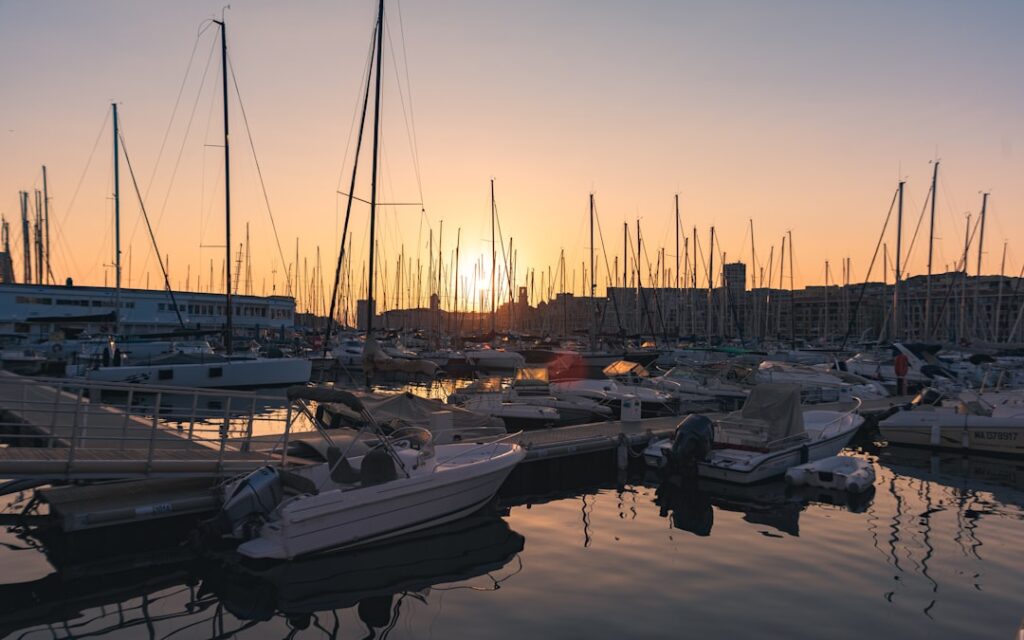
The choice between staying at the Old Port or La Joliette comes down to your priorities. If you want the most iconic Marseille experience, with walking access to museums, Le Panier’s lanes, the fish market and ferry departures, the Old Port is hard to beat. The atmosphere is vibrant, the photo opportunities are excellent (sunrises and sunsets over the boats), and nightlife is right on your doorstep. Expect higher prices in high season, sometimes compact accommodations in older buildings, and a constant buzz that might bother travelers seeking quiet nights.
La Joliette, on the other hand, offers a modern, practical compromise: better value for spacious, newer apartments, direct access to public transport (metro, tram), modern shopping at the Docks and a quieter nighttime vibe. It’s a great choice for business travelers, families or anyone planning to rent a car. From La Joliette you can reach the Old Port in minutes by metro or enjoy a pleasant seaside walk, making it a strategic base to combine modern comfort with heritage discovery.
Final tips:
- Book early in high season (July–August), especially if you want a room with an Old Port view.
- Check whether air conditioning, Wi‑Fi and breakfast are included, particularly for short stays.
- If you’re on a tight budget, consider La Joliette or well‑connected outer neighborhoods served by the metro; if you want the postcard experience, pick the Old Port.
- Check opening hours for museums (Mucem — Esplanade J4, 7 Promenade Robert Laffont, seasonal times), ferry schedules (departures from Quai du Port for Château d’If / Frioul) and restaurant hours; reserve ahead for well‑known bouillabaisse spots.
- Adopt a few local habits: keep valuables out of sight in busy tourist spots, use public transport to avoid traffic, and take time to chat with shop owners and restaurateurs — Marseille’s friendliness is part of the experience.
Whether you choose the authentic buzz of the Old Port or the practical comfort of La Joliette, Marseille will give you a unique mix of sea, history and urban life. Each neighborhood has its charm: the Old Port for instant atmosphere and proximity to landmarks, La Joliette for convenience and modernity. Choose according to your priorities—and get ready to come back: Marseille always has another layer to discover.